

Maddy summaryHB 5431 guarantees that Medicare beneficiaries under 65 and over 65 who are enrolled in Medicare Parts A and B can enroll in standardized Medicare Supplement Plan A during a one-month annual enrollment period without being denied coverage due to health conditions. To qualify, applicants must have been enrolled in a Medicare Advantage plan (Part C) and remain enrolled at the time of application. The bill also standardizes Medicare supplement policies by prohibiting exclusions for preexisting conditions and requiring clear minimum standards for benefits, rates, and insurer practices. This change aims to simplify access to supplemental coverage while removing health-based barriers for Medicare recipients.
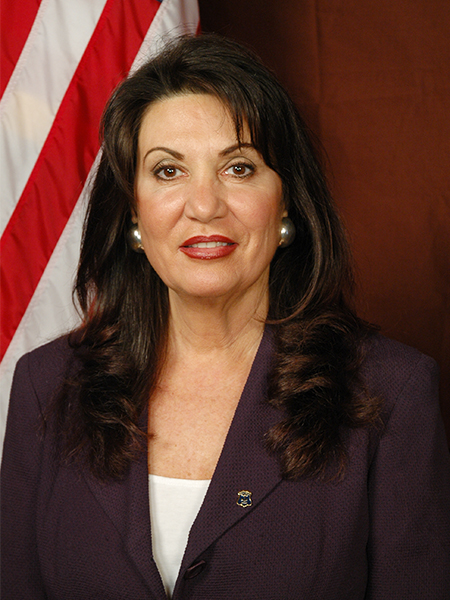
Rep. Charlene Lima
Sponsored bills
Maddy summaryHB 5785 creates a temporary sales tax holiday on August 9-10, 2025, waiving sales tax on most nonbusiness retail purchases of tangible personal property. It excludes telecommunications, tobacco, fuel, vehicles, meals, and single items priced over $2,500. Vendors cannot collect tax on qualifying purchases during those dates and must refund any improperly collected tax. The bill requires vendors to maintain regular reporting obligations and mandates a post-holiday revenue report to state committees. This policy directly affects individual consumers making eligible purchases during the two-day window.
Allows the division of motor vehicles to make special motor vehicle registration plates for the not-for-profit entity Cranston Cares provided they meet the minimum order requirements.
Establishes an office of inspector general as an independent administrative agency, charged with preventing and detecting fraud, waste and abuse, and mismanagement in the expenditure of public funds.
Maddy summaryHB 6011 removes state-owned property from the list of assets exempt from local property taxes. This means government buildings, land, and other state-owned assets will now be subject to local property tax assessments. The bill specifically amends Section 44-3-3(a)(1) of the General Laws to eliminate the previous exemption for state property, affecting how local tax authorities calculate and collect revenue from state-owned holdings. All other property exemptions listed in the law (such as schools, religious properties, and hospitals) remain unchanged.
Maddy summaryHB 6164 creates a new bureau of public protection within Rhode Island's Attorney General's office to address consumer protection, health care regulation, environmental issues, and civil rights. The bill authorizes the Attorney General to investigate and take legal action against businesses or organizations engaging in repeated illegal activities that harm the public, including seeking court orders to stop such conduct and recover restitution or fines. It requires the bureau to submit annual reports to the legislature detailing investigations, court applications, and outcomes like injunctions or penalties. The bill takes effect upon passage and does not apply to entities already exempted under existing law.
Makes it a felony for any person required to register as a sex offender to live within three hundred feet (300’) of a school as defined in § 11-37.1-2.
Maddy summaryHB 5554 prohibits payment networks, banks, and processors from charging interchange fees on the tax or gratuity portion of electronic credit or debit card transactions. Merchants must report tax and gratuity amounts during transaction processing to avoid these fees; if they fail to do so, they can submit proof within 180 days for refunds. The law directly affects businesses that collect sales tax or tips (e.g., restaurants, retailers) and payment networks handling card transactions. It takes effect January 1, 2026, with violations subject to $1,000 penalties per transaction. The bill does not change tax or tip amounts but removes fees charged on those specific portions.
Maddy summaryHB 5819 changes how excess renewable energy credits are paid for net metering systems. Instead of receiving the full retail electricity rate (what customers pay), solar and other eligible renewable system owners will now be paid the lower wholesale rate for surplus power they send back to the grid. This directly affects residential, commercial, and community solar projects, including those serving low-income housing developments. The bill updates definitions and eligibility rules for net metering systems but focuses the key change on the payment rate for excess energy.
Maddy summaryHB 5820 amends Rhode Island's renewable energy standard, requiring electricity providers to gradually increase the share of renewable energy in their retail sales to end-use customers. Starting in 2007, providers must meet rising annual targets (e.g., 4% in 2023, 5% in 2024, and 9.5% by 2043), with a cap of 2% from existing renewable sources. The bill allows compliance through renewable energy certificates or alternative payments to a development fund, while exempting pre-2022 power contracts from later targets. It aims to achieve 100% renewable electricity for Rhode Island by 2043.