Defines squatter as a person occupying a dwelling unit who is not authorized by the property owner, landlord or tenant to occupy the unit and provides remedies for property owner including police assistance to remove a squatter.
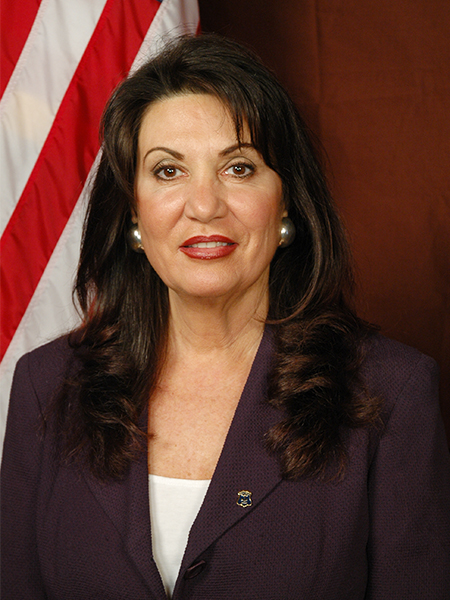
Rep. Charlene Lima
Sponsored bills
Maddy summaryHB 5865 bans the sale of cosmetics in Rhode Island that were developed or manufactured using animal testing conducted on or after January 1, 2026. It directly affects cosmetic manufacturers and sellers within the state, imposing a $1,000 fine per violation for noncompliance. The law includes limited exemptions, such as when animal testing is required by federal or state regulators with no non-animal alternatives, or for ingredients in widespread use with no suitable substitutes. The bill amends existing cruelty-to-animals statutes to add this specific prohibition, focusing on the sale of cosmetics rather than testing itself.
Maddy summaryHB 5870 defines public-private partnerships (PPPs) as long-term contracts where private companies develop, finance, or maintain state-owned assets while bearing significant risk. It requires state agencies to use competitive procurement for PPPs and mandates specific requirements in requests for proposals, including value-for-money analyses, oversight plans, and financial documentation. The bill directs the chief purchasing officer to create rules by July 2026 to encourage PPP use, while ensuring state agencies remain responsible for oversight. It directly affects state agencies making infrastructure or property purchases and private contractors seeking to partner with the government. The law does not change existing procurement rules but provides a formal framework for evaluating and implementing PPPs.

Requires the director of the Rhode Island emergency management agency and the Rhode Island commerce commission to develop and implement a plan to assist businesses in obtaining flood insurance through the National Flood Insurance program.
Maddy summaryHB 5864 establishes legal requirements for autologous (donating one's own blood for future personal use) and direct blood donations (donating blood specifically for another person's future medical procedure). It requires hospitals and blood banks to facilitate these donations when ordered by a healthcare provider, unless the donor has health conditions that make donation unsafe. Blood banks may charge standard fees for processing and storing the blood until it's used. The law takes effect upon passage and directs the Department of Health to create implementing rules.
Prohibits any city, town, quasi-municipal corporation or public corporation from assessing any existing agricultural operation or agricultural land any water impact fee, excepting base useable charges.
Required public auctions by any city or town of real estate or an interest therein to only be done in person and not by electronic or remote procedures unless authorized by court order.
Maddy summaryHB 5435 prohibits state agencies from entering into software contracts that restrict their ability to install or run the software on hardware they choose. It directly affects all state agencies purchasing software with state funds, including contracts for licenses, services, and related agreements. The bill bans any contractual terms that prevent agencies from using the software on their own desktops or servers, ensuring agencies maintain control over their hardware choices. This policy change applies to all new software agreements entered after the bill takes effect.
Maddy summaryHB 5965 would authorize Cranston's city council to create a homestead exemption program, allowing residential property owners to reduce their local property tax bill by up to 20% of their home's assessed value. This exemption would apply only to properties used exclusively for single-family residential purposes (with fewer than three dwelling units) and requires the city council to establish specific eligibility rules. The bill does not automatically implement the exemption but grants Cranston the legal authority to adopt such a program through local ordinance. It would take effect on December 31, 2025, if passed. This bill directly affects Cranston homeowners who own qualifying single-family residences.
Requires commercial property owners to install vehicle barriers at their retail establishment locations when new construction are being done and permits insurers to consider the installation to provide a discount on the owner's insurance policy.