

Maddy summarySB 470 proposes to create a Secondary Education Fire Training Pilot Program in Pennsylvania, allowing high school students aged 16+ to earn credit for firefighter and emergency medical services training through partnerships between schools and colleges. The bill establishes a Fire Training Fund to accept donations and provides $150,000 per participating college over the 4-year pilot period. It requires three regional colleges to partner with school entities (including districts and charter schools) to offer Firefighter I certification courses, with the goal of increasing volunteer firefighter recruitment. The program includes a post-pilot survey to assess its impact on local volunteer fire departments. This is proposed legislation pending final approval, with an effective date of January 1, 2026.
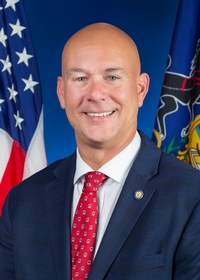
Sen. Pat Stefano
Sponsored bills
Maddy summaryThis resolution honors Senator Mary Jo White's life and service in the Pennsylvania Senate, expressing condolences to her family. It recognizes her work on environmental policy, advocacy for women's rights, and her role as the first woman elected to Senate Republican leadership. The resolution serves as a formal tribute to her career and legacy without creating any new laws or policies.
Maddy summarySB 524 amends Pennsylvania’s environmental and oil/gas statutes to increase state control over energy regulation. It exempts coal-powered plants from federal EPA rules, requires legislative approval for new regulations affecting coal and natural gas, and establishes a public database tracking permit applications for these industries. The bill also sets a 45-day deadline for permit decisions (with automatic approval if missed) and formally withdraws Pennsylvania from the Regional Greenhouse Gas Initiative. These changes directly affect coal and natural gas operators, the Department of Environmental Protection, and permit applicants by shifting regulatory authority and streamlining permitting processes.
Maddy summarySB 528 amends Pennsylvania's aggravated assault law to explicitly include county commissioners, county council members, mayors, and municipal council members as protected individuals. This means assaulting these local government officials will now qualify as aggravated assault under state law, rather than potentially being charged as a lesser offense. The bill expands the existing list of protected persons in Section 2702(c) of Title 18 by adding four new categories of local officials. It takes effect 60 days after enactment. This is a straightforward criminal law update, not a policy change with broader implications.
Maddy summarySB 523 requires full-time firefighters and EMS providers employed by fire departments or local governments in Pennsylvania to receive comprehensive cancer and cardiovascular screenings every three years. The screenings must cover specific conditions including prostate, lung, skin, and heart health checks, as listed in the bill. Employers must cover all associated costs - including copays, deductibles, and insurance expenses - through existing health benefits or insurance plans. This bill directly affects emergency responders working for public fire departments or municipal services.
Maddy summaryThis bill creates a $500 annual tax credit for Pennsylvania residents who serve as active volunteer certified emergency medical technicians (EMTs) or volunteer firefighters. To qualify, individuals must have at least two full years of service by December 31 of the tax year and respond to at least 20% of their agency's emergency calls during that period. The credit applies to tax liability starting with taxable years beginning after December 31, 2026, and cannot be carried over, refunded, or sold. The Department of Revenue will administer the credit, require self-certification, and submit annual reports to the General Assembly on its usage.
Maddy summarySB 509 amends Pennsylvania's vehicle code to clarify speed enforcement rules for radar, laser (LIDAR), and other speed-measuring devices. It requires that evidence from these devices can only be used to convict drivers who exceed speed limits by 10 mph (or 6 mph on roads over 55 mph), with exceptions for school zones and work zones. The bill also sets new rules for local police using radar, mandating municipal ordinances, officer training, visible patrol vehicles, and warning signs before enforcement begins. This directly affects drivers (through stricter evidence standards), local law enforcement (through new operational requirements), and municipalities (requiring ordinance adoption).
Maddy summarySB 519 amends Pennsylvania's Liquor Code to change how state liquor stores sell alcohol wholesale. It requires a 10% discount on wholesale sales to hotels, restaurants, clubs, and other licensed businesses (excluding special orders), and mandates that these businesses use a discount card for purchases. The bill also establishes new rules for delivery services, requiring credit card or electronic payment for deliveries to licensees and allowing stores to offer pickup discounts at specified locations. These changes directly affect licensed businesses buying alcohol wholesale, pharmacists, hospitals, and the Pennsylvania Liquor Control Board, which administers the program. The law takes effect 60 days after enactment.
Maddy summarySB 514 amends Pennsylvania's 1981 Bingo Law to allow licensed bingo associations to sell tickets online for their events. This change directly affects nonprofit groups, such as community centers or charities, that operate licensed bingo games for fundraising. The bill adds a specific rule (Section 5(c)(14)) permitting online ticket sales while maintaining other existing licensing and operational requirements under the Bingo Law. The law would take effect 60 days after enactment.
Maddy summarySB 515 amends Pennsylvania's Local Option Small Games of Chance Act to require licensed organizations (like charities or community groups) running games of chance to accept cash payments and allow debit card payments. It also permits these organizations to set their own policies for accepting checks or money orders, without being obligated to accept them. The bill repeals an existing regulation (61 Pa. Code § 901.506) that conflicted with these new payment rules. The changes take effect 60 days after enactment.