

Maddy summarySB 1007 (An Act providing for insurance coverage for transition intervention reversal services) requires health insurance plans to cover medical services that reverse prior gender transition interventions, such as procedures to undo hormone therapy or surgical changes. This directly affects transgender individuals who have undergone medical transition and seek to reverse those treatments. The key provision mandates that insurers include coverage for these reversal services without additional cost-sharing, treating them similarly to other covered medical procedures. The bill is currently pending referral to the Banking & Insurance committee for further consideration. (Note: The bill title uses "transition intervention reversal services," which refers to medical services reversing prior gender transition treatments, not to be confused with broader policy debates.)
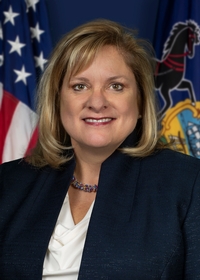
Sen. Tracy Pennycuick
Sponsored bills
Maddy summarySB 1006 is a constitutional amendment proposing to expand property tax exemptions for Pennsylvania veterans with service-connected disabilities. It would extend partial tax relief proportional to disability ratings (50%-100%) and full exemption for veterans rated 100% disabled or surviving spouses of service members who died in action, were POWs, or were missing in action. The amendment also clarifies that surviving spouses of eligible veterans retain exemption after the veteran's death. As a constitutional amendment, it requires voter approval after legislative passage. (Bill: SB 1006, 2025 Session)
Maddy summarySB 952 amends Pennsylvania’s transportation code to advance sustainable mobility options, such as bike lanes and electric transit infrastructure, by updating definitions and program rules. It requires metropolitan transportation authorities to submit supplemental performance reports on their projects and clarifies the authority for public-private partnerships in transportation development. The bill directly affects regional transit agencies, private transportation companies, and local governments managing mobility programs. Key provisions include standardized reporting for accountability, streamlined partnership agreements, and clearer guidelines for sustainable project implementation. These changes aim to improve transparency and coordination in transportation planning without altering funding mechanisms.
Maddy summarySB 381 amends Pennsylvania law to prohibit certain types of animal experimentation, testing, and sale of products developed through such testing. Specifically, it bans animal testing for cosmetics, certain medical products, and household items, and prohibits the sale of these products within Pennsylvania. The bill imposes penalties for violations, including fines for businesses that conduct or sell prohibited products. This directly affects businesses that conduct or market cosmetics, personal care products, or specific medical items tested on animals. The law aims to restrict animal testing in these product categories without banning all scientific research.
Maddy summarySB 241 requires Pennsylvania's Liquor Control Board to automatically expunge citations issued to retail liquor licensees (such as restaurants, hotels, and clubs) for failing to follow pandemic-related health orders during the Governor's emergency period (March 2020 to end of emergency). It applies specifically to violations of executive actions, Health Secretary orders, or Department guidance related to COVID-19 protocols. The Board must remove these citations within 30 days at no cost to the business, providing written notice of the expungement. This policy change directly affects businesses that received such citations during the pandemic emergency.
Maddy summarySB 713 amends Pennsylvania's vehicle lighting laws to allow specific types of illuminated signs on vehicles, such as those used by commercial drivers or for business purposes. It directly affects vehicle owners, operators, and commercial entities that display illuminated signage on their vehicles. The key provision updates Title 75 statutes to establish clear standards for the size, placement, and visibility of these signs, replacing outdated regulations. This change aims to modernize vehicle lighting rules while maintaining safety requirements for illuminated displays. The bill passed the state legislature on September 10, 2025, and is now under review by the Transportation committee.
Maddy summarySB 922 updates the licensing process for private academic schools in Pennsylvania under the 1988 Private Academic Schools Act. It modifies how schools apply for, renew, and maintain their licenses, including clarifying procedures for license issuance and renewal. The bill also updates the process for creating and updating rules governing these schools. This affects all private academic schools seeking or maintaining state licensing, focusing solely on administrative procedures without changing educational standards or funding.
Maddy summarySB 114 updates Pennsylvania's Nurse Aide Resident Abuse Prevention Training Act to strengthen training standards for nurse aides working in long-term care facilities. It requires the state department to develop a specific long-term care curriculum, set qualifications for instructors (including RN supervision and facility experience), and establish a train-the-trainer program. The bill also creates three pathways to become a certified nurse aide, including completing approved training with a competency exam (offering remote written testing options), graduating from nursing programs, or meeting equivalent requirements. Additionally, it prohibits the department from imposing waiting periods before online training can be offered in approved programs. These changes directly affect nurse aides, long-term care facilities, and training programs across Pennsylvania.
Maddy summarySB 461 requires health insurance policies in Pennsylvania to cover specific diagnostic tests and treatments for Lyme disease and related tick-borne illnesses. It directly affects all Pennsylvanians with health insurance, particularly those in the state’s high-risk areas (all 67 counties, per the bill’s findings). The key provision mandates insurers cover clinically appropriate diagnostics and antibiotics, including longer-term treatments that some patients require. The bill aims to improve access to care by eliminating coverage barriers, as Pennsylvania has the highest Lyme disease incidence in the U.S. (over 100,000 cases reported in 2018 alone). This is intended to reduce chronic cases and overall disease burden, aligning with the state’s legislative purpose to promote prevention and treatment access.
Maddy summaryThis resolution designates the week of September 22-26, 2025, as "Safe2Say Something Week" in Pennsylvania. It formally recognizes this specific week for awareness efforts related to the Safe2Say Something program, which encourages reporting of potential threats in schools. The resolution has no binding requirements or policy changes; it is a symbolic designation to promote the program's goals. It directly affects Pennsylvania schools and communities by highlighting this awareness period.