

Maddy summaryThis bill requires full-time firefighters and emergency medical services providers in Pennsylvania to undergo specific health screenings every three years. The law mandates that these exams, which cover various cancers and cardiovascular conditions, be conducted by a physician and include tests such as echocardiograms and prostate or HPV screenings depending on gender. Employers must ensure that all costs for these screenings, including deductibles and copayments, are fully covered by their health benefits plans or insurance funds. The legislation defines EMS providers to include various roles such as paramedics and prehospital nurses to ensure broad coverage for those working in emergency response.
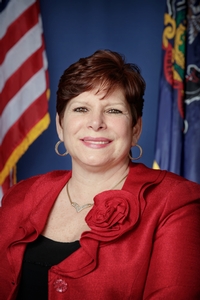
Sen. Tina Tartaglione
Sponsored bills
Maddy summaryThis bill requires individuals in Pennsylvania who wish to obtain a license to carry a concealed firearm to purchase liability insurance with a minimum coverage of $1,000,000. The legislation mandates that license applicants provide proof of this insurance to the state and carry the insurance certificate with their firearm at all times. If a person fails to produce the required insurance document when asked by law enforcement, the officer must confiscate the firearm and the state will revoke the individual's license. Additionally, the bill outlines specific procedures for reissuing a license after revocation, which includes a $50 fee and the requirement to submit new proof of insurance.
Maddy summaryThis resolution designates May 2024 as Ehlers-Danlos Syndrome Awareness Month in Pennsylvania to highlight the condition, which affects connective tissue and causes issues like joint instability and fragile skin. The bill aims to increase public understanding of the disorder, which often goes undiagnosed due to its varied symptoms and lack of routine screening. By drawing attention to the disease, the measure seeks to support affected individuals and encourage further research and multidisciplinary care without mandating any specific government actions or funding.
Maddy summaryThis resolution designates May 26, 2024, as "Fourth Trimester Care Day" in Pennsylvania to raise awareness about the health needs of new mothers during the first three months after childbirth. The bill highlights that current healthcare often focuses solely on pregnancy and birth, leaving many postpartum physical and mental health issues, such as depression and recovery complications, unaddressed. By officially recognizing this period, the measure aims to encourage better support for mothers transitioning into parenthood without changing any existing laws or funding.
Maddy summaryThis bill updates Pennsylvania's Minimum Wage Act to increase the state minimum wage to $20 per hour starting July 1, 2024, and establishes a mechanism for automatic adjustments every five years based on the Consumer Price Index. It clarifies how tips and gratuities are handled by requiring employers to pay tipped workers a base wage of at least 70% of the standard minimum wage and prohibiting employers from taking credit card processing fees out of the full gratuity amount given to employees. The legislation also grants the Department of Labor and Industry broader authority to create regulations and enforce compliance, while explicitly stating that the state law preempts any conflicting local ordinances.
Maddy summaryThis bill updates the funding rules for magisterial district judges and Philadelphia municipal court judges in Pennsylvania. It requires the Office of the Court Administrator to pay a base annual registration fee of $600 to the judges' association, with an additional increase tied to the Consumer Price Index starting in 2025. The legislation also mandates that the Office cover the costs of publishing a monthly journal of state laws and court rules, while other expenses remain funded through existing annual appropriations.
Maddy summaryThis bill increases Pennsylvania's Neighborhood Assistance Tax Credit program by raising the annual funding cap from $36 million to $72 million. It adjusts the percentage of tax credits available to businesses and private companies based on their investment duration and specific project types, such as veterans' housing or long-term service commitments. The legislation also raises the maximum credit limit per taxpayer and allocates $2 million specifically for pass-through entities like partnerships and S corporations. These changes aim to encourage more private investment in community development projects while maintaining restrictions on financial institutions using credits for their standard business operations.
Maddy summaryThis Senate resolution officially designates April 2024 as "Distracted Driving Awareness Month" throughout Pennsylvania. The measure aims to increase public awareness about the dangers of activities like texting, eating, or talking while driving, which can divert a driver's attention from the road. By adopting this designation, the Senate encourages safe driving habits and highlights the state's commitment to reducing preventable accidents caused by driver distraction. This is a symbolic gesture intended to reinforce safety education rather than implement new laws or regulations.
Maddy summaryThis bill is a resolution that formally recognizes May 2024 as "Older Americans Month" within the Pennsylvania Senate. It does not create new laws, allocate funding, or change existing policies, but rather serves as a symbolic gesture to honor the contributions of older adults and highlight the theme of social connection. The text acknowledges the national Older Americans Act and encourages community engagement, such as sharing stories and organizing inclusive events, to support seniors. As a commemorative measure, its primary effect is to raise awareness about aging issues rather than to implement concrete policy changes.
Maddy summaryThis Senate Resolution designates the week of May 6 through 12, 2024, as "Women's Lung Health Week" throughout Pennsylvania. The bill aims to raise public awareness about lung cancer risks among women and encourages residents to learn more about detection and treatment options. It does not create new laws or allocate funding but serves as a symbolic gesture to highlight the importance of lung health advocacy during that specific time period.