

Maddy summaryThis bill authorizes Pennsylvania to join the National Popular Vote Interstate Compact, an agreement where participating states award their electoral votes to the candidate who wins the national popular vote. If the compact reaches 270 electoral votes (a majority), Pennsylvania would allocate its electoral votes to the national popular vote winner instead of the candidate who wins Pennsylvania's popular vote. The bill requires Pennsylvania to continue holding its usual statewide popular election for president, but the state's electors would be appointed based on the aggregated national vote totals across all compact states. This change would only take effect once the compact is operational with enough states to control a majority of electoral votes.
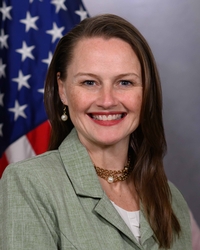
Rep. Nikki Rivera
Sponsored bills
Maddy summaryHB 1046 establishes the Pennsylvania Poet Laureate position and a nomination committee to select the appointee. The Governor appoints the Poet Laureate from a shortlist of three nominees provided by the committee (which includes education, arts, and humanities representatives), with the Laureate serving a two-year term and performing ceremonial duties like reading poems at the Governor's inauguration and legislative sessions, all without pay but with travel expenses reimbursed. This bill directly affects Pennsylvania residents by creating a state position to promote poetry and literary arts through official events.
Maddy summaryThis resolution recognizes March 14, 2025, as "Black Midwives Day" in Pennsylvania. It symbolically honors Black midwives' historical and ongoing contributions to maternal health while highlighting persistent disparities, including that Black women in Pennsylvania faced nearly three times the pregnancy-related mortality rate of White women in 2020. The resolution aims to raise awareness about systemic barriers like discrimination, maternity care deserts, and preventable maternal deaths, aligning with the National Black Midwives Alliance's campaign. It does not create new laws or allocate funding but serves as a statement of recognition.
Maddy summaryHR 113 is a resolution recognizing April 26, 2025, as "Diabetic Eye Screening Day" in Pennsylvania. It highlights diabetic retinopathy - a diabetes complication causing vision loss - and encourages free eye screenings by ophthalmologists on that date to raise awareness. The resolution does not create new laws or funding but symbolically supports early detection efforts for Pennsylvanians with diabetes. It directly affects residents at risk of vision loss from untreated diabetic eye disease by promoting accessible screenings. The bill was adopted by the House on April 7, 2025.
Maddy summaryHB 1154 requires Pennsylvania's Department of Health to develop and implement a mobile application targeting Medicaid-eligible individuals for pregnancy, prenatal, postpartum, and infant care programs. The app must provide multilingual resources, connect users to state health services, meet clinical standards from major medical organizations, and operate on Android/iOS platforms. The department must select a vendor through competitive bidding within 90 days, paying $10 per user monthly with an annual cap of $500,000. The bill mandates the vendor to report de-identified usage data, including Medicaid eligibility engagement and app interaction metrics, to the department.
Maddy summaryHB 109 creates a new permit review process for specific industrial facilities in Pennsylvania's designated "environmental justice areas" - communities with high pollution burdens and vulnerable populations (low-income, communities of color). It requires the Department of Environmental Protection to consider cumulative environmental and public health impacts when reviewing permits for facilities like large wastewater plants (50,000+ gal/day), major air polluters, waste sites (25+ tons/month), mining operations, and certain landfills. The bill mandates that permits in these areas must address disproportionate environmental impacts, as defined by demographic, economic, health, and environmental data. This directly affects developers and operators of industrial facilities seeking new or expanded permits in designated communities.
Maddy summaryHB 1141 establishes a new regulatory framework for local gaming terminals (such as video lottery terminals in bars, clubs, and small businesses) across Pennsylvania. It imposes a 40% tax on terminal gross revenue, a 9% local share assessment, and a regulatory assessment, with all revenue directed to the newly created Local Gaming Fund. The bill sets clear rules for licensing, operator background checks, terminal operation, and real-time auditing via a central control computer, while updating gambling offense laws in Title 18. It also creates a separate Pennsylvania Emergency Management Programs Fund, but the primary focus is on governing local gaming terminals and their tax structure.
Maddy summaryHB 1146 allows second-class counties in Pennsylvania to generate local funding for public transportation and transportation infrastructure by imposing specific taxes, including on liquor sales, rental vehicles, real estate transfers, income, and vehicle registrations, each with maximum rates defined by existing state law. Revenue from these taxes must be deposited into a restricted county account dedicated exclusively to transportation projects. The bill also establishes administrative procedures for collecting and reporting these taxes, ensuring compliance with state tax codes and enabling counties to implement the funding mechanisms without creating new statewide programs.
Maddy summaryThis is a House Resolution (not a bill), urging Pennsylvania State University (Penn State) leadership to be transparent about any potential closure of its 12 Commonwealth campuses. It asks the university president to publicly share criteria for closures, demonstrate alignment with Penn State’s land-grant mission, and detail plans to maintain educational access for affected students and communities. The resolution emphasizes that campus closures would disproportionately impact rural and underserved areas, reduce local economic activity, and undermine public trust. It does not create new laws or funding but formally requests Penn State to engage communities and provide clear, open communication before making closure decisions.
Maddy summaryHB 1115 sets limits on the reserve funds that cyber charter schools in Pennsylvania can hold at the end of each school year. Starting with the 2024-2025 school year, these schools must keep general unspent reserves below 8% of total budgeted expenditures, combined funds set aside for specific purposes below 4%, and total reserves below 12%. The bill defines key terms like "funds set aside for specific purposes" to clarify how the limits apply. It directly affects cyber charter schools, which are publicly funded online schools operating under Pennsylvania's charter system.