

Maddy summaryHB 1284 amends Pennsylvania's Insurance Company Law of 1921 to expand dental coverage for uninsured children. The bill requires that frenectomies and other surgical procedures to treat lip-ties or tongue-ties be included as part of the minimum emergency, preventive, and routine dental care package for eligible children. It also mandates that dental providers contracting with insurers for these services offer frenectomies as a covered routine dental service. This legislation directly affects uninsured children receiving care through state contracts and the dental providers who serve them.
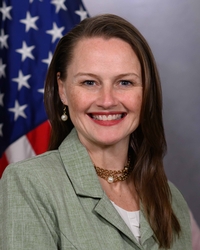
Rep. Nikki Rivera
Sponsored bills
Maddy summaryThis resolution designates September 2025 as "Life Insurance Awareness Month" in Pennsylvania. It does not create new laws or requirements but symbolically encourages residents to learn about life insurance benefits and coverage. The resolution cites statistics showing life insurance paid $11.7 billion to Pennsylvania beneficiaries in 2024 and notes that one in five residents are under 18 and financially dependent on others. It urges Pennsylvanians to seek advice on life insurance to support family financial security. The measure is non-binding and serves only to raise awareness.
Maddy summaryHB 1285 prohibits Pennsylvania Commonwealth government entities, law enforcement agencies, peace officers, and political subdivisions from cooperating with out-of-state investigations related to abortion. These entities are forbidden from providing information or using resources to assist investigations that seek to impose civil or criminal liability for abortion services or related activities that are legal in Pennsylvania. This includes actions like providing, seeking, receiving, or assisting with abortion or related inquiries. The bill does not apply if the out-of-state investigation itself would violate Pennsylvania law.
Maddy summaryHB 1279 requires Pennsylvania colleges and universities, as well as private licensed schools, to implement evidence-based education programs on sexual misconduct (including consent, bystander intervention, and risk prevention) for all students and staff. The bill mandates staff training, establishes confidential resource advisors for victims, and requires institutions to create online reporting systems and conduct annual climate surveys. It also sets data reporting requirements for schools to track incidents, creates a Task Force on Postsecondary Sexual Misconduct, and provides academic waivers for student victims to avoid penalties related to incidents. These provisions aim to standardize prevention, response, and support across institutions.
Maddy summaryHB 1229 amends Pennsylvania's 1931 Barbers' License Law to add citizenship and residency requirements for members of the State Board of Barber Examiners. Specifically, it requires that all six professional barber board members must be U.S. citizens and Pennsylvania residents, in addition to already needing to be registered barbers with five years of practice. This change affects the composition of the board that oversees barber licensing and regulation, not the licensing process itself. The bill is a minor procedural update to board membership qualifications and has not yet been enacted.
Maddy summaryHB 1230 amends Pennsylvania's Real Estate Appraisers Certification Act to require that all members of the State Board of Certified Real Estate Appraisers have resided in Pennsylvania for at least two years prior to appointment. This change directly affects the board's membership selection process, which oversees the certification of real estate appraisers. The bill does not alter the board's composition (six appraisers, two evaluators, and two public members) but adds the residency requirement and clarifies that a member can serve as both an appraiser and evaluator if their appointment specifies the role. The amendment takes effect 60 days after enactment.
Maddy summaryHB 1226 amends Pennsylvania's Massage Therapy Law (2008) by adding a citizenship requirement for members of the State Board of Massage Therapy. The bill changes Section 3(a) to specify that board members must be "citizens of the United States" in addition to being Pennsylvania residents for at least five years. This procedural update modifies the eligibility criteria for the 11-member board that oversees massage therapy licensure and discipline. The change directly affects who can serve on the board but does not alter licensing fees, practice standards, or disciplinary procedures. The bill requires board members to meet this new citizenship requirement upon appointment.
Maddy summaryHB 1227 amends Pennsylvania's Crane Operator Licensure Act to change the term limits for members of the State Board of Crane Operators. It adds a provision stating that professional and public board members "shall not be eligible to hold more than two consecutive terms," and clarifies that members must be "citizens of the United States and residents of this Commonwealth." This bill directly affects the appointment and tenure of individuals serving on the board, which oversees crane operator licensing. The changes are procedural, not substantive, and do not alter licensing requirements, fees, or safety standards for crane operators.
Maddy summaryHB 1228 amends Pennsylvania's Engineer, Land Surveyor and Geologist Registration Law to update the composition of the State Registration Board that oversees professional licensing. The bill specifies that the board must include five licensed engineers (with no more than two representing any single engineering discipline), two licensed land surveyors, and two licensed geologists, all meeting minimum experience and residency requirements. It also requires three public members appointed by the Governor to serve alongside these professionals. This change affects how board members are selected but does not alter the licensing standards for engineers, surveyors, or geologists.
Maddy summaryHB 1232 amends Pennsylvania's Professional Psychologists Practice Act to change the composition of the State Board of Psychology. The bill specifies that the board must include nine members: eight appointed by the Governor (with Senate approval), comprising two public representatives and six licensed psychologists representing diverse practice areas, plus the Commissioner of Professional and Occupational Affairs as the ninth member. This change clarifies the qualifications and appointment structure for board members. The amendment aims to ensure balanced representation from both the public and the psychology profession in regulating the field.