

Maddy summaryHB 1407 updates Pennsylvania's teacher certification rules, effective July 1, 2027. It establishes new grade spans for certificates: "Primary" (pre-K through grade 6), "Secondary" (grades 7-12), and "Specialized" (pre-K through grade 12). Current teachers with early childhood certificates can add grades 5-6 by passing an assessment or earning continuing education credits, while those with elementary/middle certificates can expand to grades 7-12 using similar pathways. The bill also requires teacher preparation programs to adjust coursework and field placements for early childhood certification, and abrogates outdated regulations inconsistent with these changes.
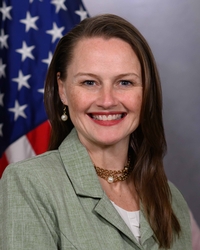
Rep. Nikki Rivera
Sponsored bills
Maddy summaryHB 1748 amends Pennsylvania's Public School Code to establish a Pilot Program supporting homeless youth pursuing higher education. The bill directly affects homeless youth in Pennsylvania who are seeking or enrolled in post-secondary education programs. Key provisions include providing state funding for supportive services like housing assistance, counseling, and academic support through designated educational institutions. The program aims to address barriers to higher education access for this vulnerable population by creating a structured, state-supported pathway. The bill was recently referred to the Education committee for further review.
Maddy summaryHB 1058 amends Pennsylvania's State Lottery Law to adjust the minimum percentage of lottery revenues dedicated to senior programs. It reduces the required allocation from 20% (for fiscal years 2019-2025) to 10% for fiscal years beginning after June 30, 2025. This directly affects seniors aged 65+ who receive property tax relief and reduced-fare transit services funded by lottery revenues. The change modifies Section 303(a)(11)(iv) of the law, specifying the new funding percentage starting in 2026. The bill became law on July 21, 2025, as Act No. 37 of 2025.
Maddy summaryHB 1527 updates the existing Rare Disease Advisory Council established in 2017, clarifying its structure and responsibilities. The bill directly affects patients with rare diseases and requires coordination among the Department of Health, Insurance Department, Department of Human Services, and Department of Education. Key provisions mandate the council to advise state agencies on rare disease research, treatment access, insurance coverage, and resource allocation. It also specifies how departments must collaborate on policies impacting rare disease patients, ensuring a unified state approach.
Maddy summaryThis bill converts an existing cosmetology training pilot program at career and technical centers (CTCs) into a permanent program under Pennsylvania's Public School Code. It requires participating CTCs and secondary schools to submit annual reports to the State Board of Cosmetology on training metrics. The legislation formalizes ongoing operations from the pilot phase, ensuring existing contracts, rules, and agreements remain valid without change. It directly affects career centers and schools offering cosmetology training within the state's public education system.
Maddy summaryHB 1429 requires the state agency administering public assistance programs (like food stamps or cash aid) to submit a report detailing a transition plan to replace current access cards with secure chip-enabled electronic cards. The bill directly affects recipients of public assistance and the agencies managing these programs by mandating a formal report on how the switch to chip cards will be implemented. Key provisions include specifying the report must cover timelines, costs, and how the transition will ensure continued access for beneficiaries. This is a procedural bill focused on reporting requirements, not altering benefit eligibility or funding.
Maddy summaryHB 1743 requires Pennsylvania public and charter schools to implement comprehensive school counseling plans developed by certified counselors. The bill mandates that school counselors spend at least 80% of their time on direct student services (like classroom instruction, individual counseling, and career planning) and indirect services (such as consultations with parents or staff). Each school entity must create an annual, K-12-aligned plan addressing academic, career, and social-emotional needs, including special populations like students with individualized education plans. These plans must be reviewed yearly and integrated with existing school strategic planning. The law applies directly to all Pennsylvania school districts, charter schools, and intermediate units.
Maddy summaryThis resolution designates the week of September 21-27, 2025, as "Surgical Technologist Week" in Pennsylvania. It formally recognizes surgical technologists (also called "scrubs") who work alongside surgeons in operating rooms across Pennsylvania’s hospitals and surgical centers. The resolution highlights their vital role in patient care, their growing employment opportunities, and the existing National Surgical Technologists Week observance. As a symbolic gesture, it does not create new laws or funding but aims to honor these healthcare professionals’ contributions.
Maddy summaryHB 1574 creates a new loan program and fund to help local redevelopment authorities start community renewal projects. It establishes a Redevelopment Authority Startup Fund to provide low-interest loans for initiatives like rebuilding neighborhoods or revitalizing downtown areas. This directly affects cities and towns with active redevelopment agencies, giving them a new way to finance early-stage projects. The bill amends the Fiscal Code to set up this funding mechanism, changing how these local agencies access capital for urban renewal efforts.
Maddy summaryHB 1733 adds art therapy to Pennsylvania's regulated health professions by creating specific licensure requirements for "licensed professional art therapists" and "licensed associate art therapists." It defines "art therapy" as a clinical practice using art-based techniques to address mental health needs, requiring therapists to meet education standards from accredited institutions. The bill restricts the use of the title "licensed professional art therapist" to those holding a valid license, while "licensed associate art therapists" must work under supervision and cannot practice independently. This directly affects art therapists seeking to legally use the title or provide services in Pennsylvania, establishing new standards for training, supervision, and scope of practice.