

Maddy summaryHB 363 designates Rosh Hashanah, Yom Kippur, Eid al-Fitr, and Eid al-Adha as official observances within the Commonwealth. The bill requires state agencies to recognize these dates annually for purposes of ceremonial observance, such as public acknowledgments or non-binding acknowledgments in government communications. It directly affects state government operations by mandating this recognition but does not create new legal holidays or alter work schedules. The bill is procedural in nature, focusing solely on formal acknowledgment of these religious observances.
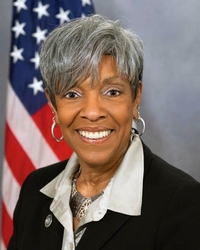
Rep. Carol Hill-Evans
Sponsored bills
Maddy summaryHB 1859 proposed changes to Pennsylvania's firearm laws, targeting individuals prohibited from possessing firearms (such as those under extreme risk protection orders) and establishing rules for safely surrendering firearms. It added provisions for "extreme risk protection orders" (court orders to temporarily remove firearms from high-risk individuals), clarified restrictions on firearm possession, and required the Attorney General to create a system for reporting firearm abandonment. The bill also updated procedures for community courts and imposed penalties for violations, but it was defeated in final passage on September 30, 2025.
Maddy summaryHB 1885 requires Pennsylvania public schools to include swimming education programs in their curriculum. It creates a reimbursement system where the state funds school districts for program costs, including payments between districts. The bill also allocates a specific state appropriation to cover these expenses. This directly affects all public school districts in Pennsylvania by adding a new mandatory program and providing dedicated funding.
Maddy summaryHB 1888 establishes a Statewide Advisory Council on Playground Safety to develop safety guidelines and make recommendations for public playgrounds across Pennsylvania. The council will consist of appointed experts in child safety and recreation, with duties including annual reporting to the Governor and legislature on safety improvements. This bill directly affects state agencies responsible for playground oversight and public playground operators by creating a formal process for enhancing safety standards. It amends Pennsylvania’s Health and Safety statutes to implement this advisory structure, focusing on concrete policy changes without altering existing safety requirements.
Maddy summaryHB 1887 creates a new Safe Communities Grant Program and a dedicated fund under Pennsylvania law to support community safety initiatives. The bill establishes the program within Title 35 (Health and Safety) statutes and assigns responsibilities to the Pennsylvania Commission on Crime and Delinquency (PCCD) for administering the grants. Local governments, community organizations, or other eligible entities would directly receive funding through this program to address specific safety needs. The key mechanism is the creation of a state-administered grant program with dedicated funding, rather than changing existing laws or policies. The bill is currently in the Judiciary committee for review.
Maddy summaryHB 1886 (An Act amending Title 12 of the Pennsylvania Consolidated Statutes, in miscellaneous provisions, providing for bag usage) proposes changes to regulations governing retail bag use in Pennsylvania. The bill would directly affect retailers and consumers by modifying requirements or fees related to plastic, paper, or reusable bags. It is currently referred to the Environmental & Natural Resource Protection committee, indicating its focus on waste reduction or environmental impact. Specific provisions like bag fees, material restrictions, or retailer obligations are not detailed in the provided context. This summary is based solely on the bill's title and referral, without additional legislative details.
Maddy summaryHB 1883 amends Pennsylvania's Public School Code to address student chronic absence (missing many school days) by requiring school districts to implement prevention and support programs instead of solely focusing on punishment. It directly affects school districts, students with chronic absence, and their families by shifting the approach to attendance. The key provision mandates districts to develop and maintain evidence-based strategies to help students attend regularly, such as family outreach, counseling, or academic support. This replaces punitive measures with proactive support systems for students struggling with attendance. The bill focuses on practical, supportive interventions rather than disciplinary actions for absenteeism.
Maddy summaryHB 1892 amends Pennsylvania's 1968 Unfair Trade Practices and Consumer Protection Law to update definitions, clarify unlawful acts or practices, and adjust exclusions. It directly affects businesses operating in Pennsylvania and consumers who may encounter unfair trade practices. The bill focuses on refining the legal framework for consumer protection without specifying new penalties or enforcement mechanisms. The bill was recently referred to the Consumer Protection, Technology & Utilities committee for review. (Note: Specific new provisions are not detailed in the provided context.)
Maddy summaryThis bill creates a temporary grant program to fund public schools in Pennsylvania that prepare meals from scratch (rather than using pre-packaged or processed foods) for students. It directly affects public schools participating in the pilot, allowing them to apply for state grants to cover costs associated with preparing fresh meals. The key provision establishes the program under the Public School Code, requiring the state education department to administer the grants and evaluate the pilot's effectiveness. The goal is to test whether scratch-cooked meals improve student nutrition and school meal participation, with results informing potential future policy changes. (Note: Specific grant amounts, duration, and participating school criteria are not detailed in the provided context.)
Maddy summaryHB 1878 would amend Pennsylvania's property laws to establish "managed native conservation landscaping" as a recognized standard for outdoor spaces. This provision would directly affect property owners, developers, and local governments that regulate land use and landscaping requirements. The bill would create specific guidelines for using native plants to conserve water, reduce maintenance needs, and support local ecosystems, requiring that such landscaping be properly maintained to achieve these goals. It is currently under review by the House Housing & Community Development committee.