

Maddy summaryThis resolution urges Congress to expand TRICARE Reserve Select eligibility to include reserve component service members already enrolled or eligible for the Federal Employees Health Benefits Program (FEHBP). Currently, these reservists may not qualify for TRICARE Reserve Select despite their FEHBP enrollment. The bill proposes a policy change to align their military health coverage options with active-duty counterparts, though it is non-binding and requires congressional action to become law. It directly affects reserve members serving in the Army, Navy, Air Force, Marines, or Coast Guard who are FEHBP participants.
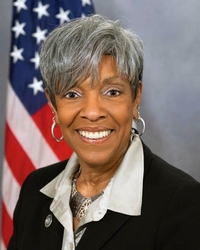
Rep. Carol Hill-Evans
Sponsored bills
Maddy summaryHB 2010 proposes updates to Pennsylvania's Construction Code Act by revising or replacing the state's Uniform Construction Code and repealing certain exemption provisions. The bill directly affects construction professionals, building owners, and local jurisdictions that enforce building standards. It would establish new or updated code requirements for construction projects and remove specific exemptions from the current code framework. (Note: Specific code revisions or exemption details are not provided in the available context.)
Maddy summaryHB 2009 would amend Pennsylvania law to establish rules for utility reconnection fees charged by municipal authorities. The bill requires that fees for reconnecting electricity, water, or gas services after disconnection be reasonable and prohibits excessive or unfair charges. It directly affects residents and businesses that have had utility services disconnected, as well as municipal authorities managing those services. The key provision creates a clear standard to prevent municipalities from imposing unreasonable fees during reconnection.
Maddy summaryHB 2007 mandates a specific $62 million transfer from Pennsylvania's Budget Stabilization Reserve Fund by November 1, 2025, to address the loss of federal SNAP benefits. The funds are allocated as follows: $50 million to the Department of Agriculture for food bank grants under existing state food programs, $10 million to the Department of Human Services for senior meal assistance, and $2 million for administration and outreach. This bill directly affects food banks, senior assistance organizations, and state agencies managing these programs. It requires the transfer to occur regardless of the usual emergency funding process outlined in Section 1703-A(b), which typically requires a two-thirds legislative vote for reserve fund appropriations. The bill takes effect immediately upon enactment.
Maddy summaryHB 1063 amends Pennsylvania's Unfair Trade Practices and Consumer Protection Law to prohibit the use of automated software for purchasing event tickets with intent to resell, bypassing sales limits, or disabling security systems. It directly affects ticket sellers (including venues, event organizers, and rights holders) and individuals or companies using bots to acquire tickets for resale. The bill makes these activities illegal, allows affected parties to sue for $1,000 per ticket sold in violation plus attorney fees, and includes exceptions for security research and enforcement activities. The law takes effect 60 days after enactment.
Maddy summaryHB 1512 requires manufacturers of digital electronic devices (like smartphones and computers) to provide owners and independent repair shops with necessary repair documentation, parts, and tools on fair and reasonable terms. The bill mandates that manufacturers make this information accessible to enable repairs outside of official channels. It also imposes penalties for manufacturers who fail to comply with these requirements. This directly affects device manufacturers and expands repair options for consumers and small repair businesses. The bill passed final passage in the legislature on October 27, 2025, and now awaits review by the Consumer Protection & Professional Licensure committee.
Maddy summaryHB 1882 updates Pennsylvania's rules for mortgage lenders and strengthens consumer protections in the mortgage industry. It revises licensing requirements for mortgage loan originators, clarifies exemptions from needing a license, and adds specific safeguards for borrowers. The bill directly affects mortgage lenders operating in Pennsylvania and consumers applying for mortgage loans by changing how lenders must be licensed and what protections must be provided. These changes aim to streamline licensing while ensuring borrowers receive clearer information and fairer treatment during the mortgage process.
Maddy summaryHB 446 requires hospitals and ambulatory surgical facilities in Pennsylvania to offer patients unused, facility-provided medication at no additional cost upon discharge, if the prescriber determines it's clinically appropriate for continuing treatment. The bill specifies that this applies only to non-controlled, multi-dose medications like eye drops, creams, or inhalers (excluding IV drugs or controlled substances), and mandates clear discharge instructions with usage details and contact information. Providers acting in good faith are protected from liability for patient misuse, and such medication offers are exempt from standard outpatient dispensing rules. This directly affects patients discharged from hospitals or ambulatory facilities and the healthcare facilities providing their care.
Maddy summaryHB 1828 requires health insurance plans in Pennsylvania to cover all recommended vaccines without requiring patients to pay out-of-pocket costs like copays or deductibles. It directly affects insurance companies by mandating this coverage and patients who rely on insurance for routine immunizations (e.g., childhood vaccines, flu shots). The bill adds penalties for insurers that fail to comply with the coverage requirement. This policy change ensures broader access to vaccines by removing financial barriers under insurance plans.
Maddy summaryHB 2004 creates a special account to hold emergency funds for SNAP benefits, which provide food assistance to low-income residents. The bill requires the Department of Human Services, the Secretary of the Budget, and the State Treasurer to transfer these funds to pay SNAP recipients. This establishes a dedicated funding mechanism specifically for emergency SNAP benefit payments. The bill directly affects SNAP recipients by ensuring a streamlined process for receiving benefits during emergencies.