

Maddy summaryThis bill requires corporations and unincorporated associations in Pennsylvania to report the number of single-family or low-density residential properties they own in their annual filings. It establishes a new chapter in state law that restricts certain entities from owning residential real estate and mandates a waiting period for purchases by covered investors. The legislation allows the Department of State to dissolve or cancel the registration of an entity that violates these property ownership rules at least 10 times within a three-year period. Additionally, the bill grants municipalities specific powers to enforce these restrictions and creates a private right of action for individuals to sue entities that violate the new ownership prohibitions.
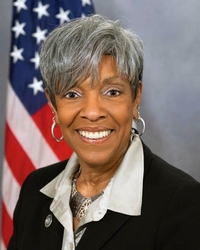
Rep. Carol Hill-Evans
Sponsored bills
Maddy summaryThis bill directs Pennsylvania state agencies to conduct a comprehensive study on how artificial intelligence will affect the state's workforce and submit the findings to the General Assembly within 18 months. The report must identify which industries and worker demographics are most at risk of job displacement, outline the skills and education needed to adapt to this technology, and assess how much relevant workforce data is currently available or privately owned. By requiring collaboration with various stakeholders, the legislation aims to create a proactive plan that ensures access to necessary training and expertise for all segments of the current and future workforce.
Maddy summaryThis bill establishes a new Pennsylvania tax credit program designed to help residents who pay for child and dependent care. It allows eligible taxpayers to claim a state tax credit based on the amount they already claim for the same expenses on their federal tax returns. The credit rate changes over time, starting at 30% for tax years ending before 2023, increasing to 100% for years between 2023 and 2026, and returning to 100% for years after 2026. The maximum credit is calculated on up to $3,000 of expenses for one child or $6,000 for two or more children.
Maddy summaryThis Pennsylvania bill requires public and private schools to teach students in grades six through twelve about suicide prevention and violence awareness, while also introducing social isolation education for students from kindergarten through grade twelve. To support these requirements, the state education department must create and publish a list of evidence-based, age-appropriate curricula that schools can use to deliver at least one hour of instruction annually. The materials must cover identifying warning signs, seeking help, and reporting dangerous behavior, with the option for schools to combine these lessons into a single class period. Additionally, the legislation allows for the establishment of student-led violence prevention clubs to further promote safety within school communities.
Maddy summaryThis bill updates Pennsylvania's Equal Pay Law to require employers with fifteen or more workers to share specific wage and benefit details in job advertisements and job offers. Under the new rules, companies must list costs for health insurance, life insurance, and retirement plans in job postings or provide a direct link to this information online. When making a job offer, employers must also state the salary or hourly wage, clarify overtime rules, and include summaries of employee benefit plans. The legislation applies to positions performed in Pennsylvania, including remote roles, and establishes penalties for employers who knowingly fail to provide this required information.
Maddy summaryThis bill updates Pennsylvania's laws regarding advance health care directives to replace the outdated living will system with a more flexible framework that combines written instructions with the appointment of a trusted agent. It directly affects individuals who wish to plan for their future medical care, as well as healthcare providers who must follow these new rules. Key provisions include defining new terms like "cohabitant" and "end-stage medical condition," clarifying how to handle conflicting directives, and establishing specific guidelines for when a health care agent can make decisions. The legislation also addresses mental health care planning, outlines the duties of physicians, and sets standards for the validity and form of these legal documents.
Maddy summaryThis bill removes the expiration date from Pennsylvania's health care cost containment laws, ensuring these regulations remain in effect indefinitely. By repealing Section 3317 of the state's health statutes, the legislation prevents the automatic termination of rules designed to manage medical expenses. The change applies to all entities currently subject to these cost containment measures, effectively making the provisions permanent rather than temporary.
Maddy summaryThis bill updates Pennsylvania laws regarding child protective services to improve how cases are investigated and how records are handled. It requires that when a child abuse report is found to be unfounded but the family still needs help, agencies must keep those records for a specific time before expunging them, while ensuring the subject of the record receives written notice of the expunction. Additionally, the legislation mandates the creation of specialized review teams for cases where a child dies or suffers a near-fatal injury due to abuse. These teams must include a diverse group of experts, such as healthcare professionals, law enforcement, mental health specialists, and community representatives, to conduct thorough reviews and write reports. The bill also clarifies the composition of these teams to ensure broad representation and expertise in preventing and treating child abuse.
Maddy summaryThis resolution authorizes the sale of five state-owned properties across Pennsylvania, including training sites and correctional facilities managed by various departments. The bill allows these assets to be sold through competitive bidding or public auction to generate funds and reduce ongoing maintenance costs. Specific properties include the Juniata Gap Weekend Training Site, the Polk Center, SCI Retreat, the White Haven Center, and the Woodhaven Center. The General Assembly must approve this plan within 30 days of receiving it from the Governor.
Maddy summaryThis bill is a resolution that formally recognizes June 2026 as Caribbean-American Heritage Month in Pennsylvania. It directly affects state residents and officials by encouraging them to honor the contributions of Caribbean Americans during that month. The resolution cites the historical significance of Caribbean heritage and the positive impact of Caribbean Americans on the nation and the Commonwealth. As a commemorative measure, it does not create new laws or change policies, but rather serves to acknowledge and celebrate cultural contributions.