

Maddy summaryThis Pennsylvania House resolution designates the week of May 17 through 23, 2026, as Public Works Week to honor the contributions of public works professionals in the state. The bill directly affects engineers, contractors, inspectors, and other workers who maintain essential community services like streets, water systems, and waste collection. By officially recognizing this time period, the resolution aims to raise public awareness about the critical role these workers play in keeping communities safe and functional, especially during emergencies.
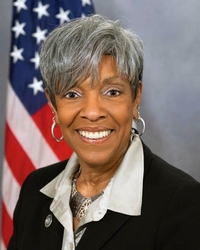
Rep. Carol Hill-Evans
Sponsored bills
Maddy summaryThis bill designates May 13, 2026, as "Gold Shield Family Day" throughout Pennsylvania to honor the families of first responders who have died in the line of duty. The resolution directly affects the relatives of fallen police officers, firefighters, emergency medical technicians, corrections officers, and other public safety personnel. It serves as a symbolic gesture to acknowledge the sacrifices made by these families, aligning with a similar federal designation from the previous year. The measure does not create new laws or funding but instead establishes an official date for recognition and remembrance within the state.
Maddy summaryThis bill designates May 28, 2026, as "World Hunger Day" in Pennsylvania to raise awareness about food insecurity. It directly affects the state's residents, particularly the 1.7 million Pennsylvanians currently facing hunger, including over 475,000 children. The resolution encourages individuals and organizations to support efforts that expand access to nutritious food and promote understanding of the issue. The text highlights statistics on hunger in the state and nation while noting the impact of food deserts and recent changes to federal nutrition programs. Ultimately, the bill serves as a symbolic gesture to draw attention to the challenge rather than implementing new policy changes.
Maddy summaryThis House Resolution designates April 2026 as "Distracted Driving Awareness Month" in Pennsylvania to promote safe driving habits. The bill does not create new laws or regulations but serves as a formal recognition to encourage drivers to avoid distractions like texting and talking while operating vehicles. It highlights statistics on distracted driving crashes and fatalities to raise public awareness about the dangers. The resolution encourages Pennsylvanians to focus on the road and discuss the risks of distracted driving with their families.
Maddy summaryThis Pennsylvania House resolution designates the week of May 3 through 9, 2026, as "Tardive Dyskinesia Awareness Week" to raise public and medical awareness about the condition. The bill highlights that tardive dyskinesia is a movement disorder that can occur in people taking antipsychotic medications, particularly those who are older, Black, female, or have had long-term medication exposure. It encourages healthcare providers, patients, and caregivers to learn more about the symptoms of the condition and the importance of regular screenings to enable early detection and treatment. The resolution does not create new laws or funding but serves as a symbolic gesture to promote education and awareness about this health issue.
Maddy summaryHB 2131 amends Pennsylvania's electric utility law to change how customers are handled when their electricity supplier contracts expire. If a customer doesn't secure a new contract with their current electricity supplier before their existing agreement ends, the supplier must automatically transfer them back to the default service provider at the provider's standard rate. This applies to residential and business customers who fail to proactively renew their electricity contracts. The bill requires utilities to submit compliance plans within 60 days to implement this automatic reconnection process, effective 60 days after enactment.
Maddy summaryHB 2163 updates Pennsylvania's Dental Law by clarifying definitions and licensing rules. It specifically revises the definition of "restricted faculty license" to allow licensed dental school faculty to teach in non-profit clinical facilities or accredited advanced education programs, while explicitly excluding profit-driven operations. The bill also amends licensing provisions to require a 10-year waiting period for applicants convicted under drug laws (like the Controlled Substance Act), unless they demonstrate rehabilitation and pose no risk to public safety. These changes directly affect dental schools, faculty members, and applicants with prior drug-related convictions seeking licensure. The bill focuses on modernizing scope-of-practice definitions and refining the review process for certain applicants, without altering general licensing requirements.
Maddy summaryHB 1251 amends the existing Physical Therapy Practice Act (1975) to update definitions and clarify the scope of physical therapy practice. It directly affects licensed physical therapists and the state licensing board by modifying how practice standards are defined and applied. The bill focuses on revising specific terms and practice rules within the current legal framework, without specifying new restrictions or expansions. As a practice act amendment, it aims to ensure the law aligns with current professional standards and operational needs. (Note: Specific provisions are not detailed in the provided context.)
Maddy summaryThis bill amends Pennsylvania's Second Class City Firemen Relief Law to update pension eligibility rules for surviving spouses of fire department members. It modifies membership requirements for married firefighters and adjusts how pensions are calculated and provided to surviving spouses after a member's death. The changes directly affect married firefighters employed in second-class cities and their spouses who may qualify for pension benefits under this law. The bill focuses on clarifying and adjusting existing pension provisions rather than creating new benefits.
Maddy summaryThis bill is a House Resolution that formally recognizes April 2026 as "National Poetry Month" within Pennsylvania. It does not create new laws or change existing policies, but rather serves as an official statement of support for poetry and the literary arts. The resolution acknowledges the cultural and educational value of poetry, noting its role in education and community engagement. Sponsored by multiple legislators, it aims to honor the tradition of celebrating poetry during this designated month.