

Maddy summaryHB 1520 amends Pennsylvania's Public School Code to establish new rules for college athletics. It directly affects public universities, student-athletes, and athletic agents by creating specific regulations around Name, Image, and Likeness (NIL) agreements and athlete representation. Key provisions include setting standards for how institutions handle NIL deals, governing the conduct of athlete agents, and clarifying rules for upfront payments to athletes. The bill also outlines procedures for resolving disputes and protects athletes' rights to pursue legal action if agreements are violated. These changes aim to create a clearer, more structured framework for intercollegiate sports operations within Pennsylvania.
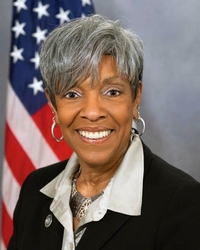
Rep. Carol Hill-Evans
Sponsored bills
Maddy summaryHB 1521 amends the 1935 Enforcement Officer Disability Benefits Law to clarify and update provisions for disability benefits for enforcement officers. The bill directly affects law enforcement and public safety officers, such as police and firefighters, by revising definitions used to determine eligibility for benefits. Key provisions include updated definitions that will guide how disability benefit claims are processed and approved. This change focuses on refining the legal framework for benefit administration without altering the benefit amounts.
Maddy summaryHB 1523 would impose an excise fee on rides provided by transportation network companies (TNCs) like Uber or Lyft in Pennsylvania. The bill amends specific sections of state law related to municipalities, public utilities, and transportation to require this fee to be collected on each ride. The fee would directly affect TNC operators, who would be responsible for paying and collecting it from riders. This policy change creates a new revenue stream for transportation-related funds under the amended statutes.
Maddy summaryHB 1510 amends Pennsylvania's transportation laws to establish a structured framework for sustainable mobility programs, directly affecting state transportation agencies and organizations receiving state funds for projects like bike lanes, pedestrian infrastructure, or electric vehicle charging networks. Key provisions define sustainable mobility, streamline funding applications and approvals, clarify federal funding coordination, and create separate programs for asset improvements, new initiatives, and statewide projects. The bill also sets a small purchase threshold for simpler project approvals and removes outdated rules about evaluating private investment opportunities. These changes aim to standardize how the state manages and funds non-traditional transportation infrastructure.
Maddy summaryHB 1517 would amend Pennsylvania's vehicle registration laws to allow private vendors to design custom license plates for vehicle owners. This change directly affects drivers who wish to choose non-standard plate designs and vendors seeking to sell these customized options. The bill establishes a new process within the state's vehicle registration system for vendor-designed plates, replacing the current requirement for state-only designs. It does not alter vehicle registration fees or requirements beyond this plate design option.
Maddy summaryThis resolution (HR 241) urges Congress to adopt three specific bills: H.R. 1876 (keeping field offices open), H.R. 1877 (protecting Social Security data), and S. 770 (expanding Social Security). It does not create new laws or affect individuals directly; instead, it is a non-binding request addressed to Congress. The resolution was referred to the Aging & Older Adult Services committee on May 29, 2025, for consideration.
Maddy summaryHB 1516 would amend Pennsylvania's vehicle code to require auto insurance companies to offer discounts to drivers who complete a state-approved driver improvement course. This bill directly affects Pennsylvania drivers who have taken such courses and seek lower insurance premiums. The key provision adds these discounts to the state's financial responsibility requirements, allowing insurers to reduce premiums for course completers. The bill does not change course content or requirements but creates a new incentive for drivers to improve their driving skills.
Maddy summaryHB 1519 amends Pennsylvania's 1921 Insurance Company Law to require casualty insurance policies to cover mental illness treatments. This directly affects insurance companies writing casualty policies and policyholders seeking mental health services. The key provision mandates that insurers include mental health coverage in standard casualty policies, aligning it with other health coverage requirements. The bill focuses on expanding access to mental health care by ensuring it is covered under these specific insurance policies.
Maddy summaryHB 1518 amends Pennsylvania's driver licensing laws under Title 75 of the Consolidated Statutes. It focuses on updating procedures for applying for driver's licenses or learner's permits, as well as modifying the content, expiration, and renewal processes for licenses. The bill directly affects Pennsylvania drivers who apply for or renew their licenses. The provided context does not include specific provisions or mechanisms of the bill, only its title and referral to the Transportation committee.
Maddy summaryHB 1501 would amend Pennsylvania's oil and gas laws to create a Radiation Testing Pilot Program. The bill would establish a voluntary program for testing radiation levels in areas near oil and gas operations, directly affecting communities and landowners in regions with active or former oil and gas activity. Key provisions include requiring participating operators to conduct specific radiation tests and report results to the state, with the program running for a set period to evaluate its effectiveness. The bill is currently referred to the Environmental & Natural Resource Protection committee. (Note: Specific details on testing protocols, duration, or participant requirements are not provided in the given context.)