

Maddy summaryHB 1843 amends Pennsylvania's domestic relations law to clarify child support obligations and add new requirements. It specifically requires parents convicted of certain violent crimes (like rape, statutory sexual assault, or incest involving intercourse) to pay child support even if their parental rights were terminated, with the convicted parent covering paternity testing costs. The bill also mandates that both divorced parents obtain "gainful employment" to support children, with contempt penalties including up to one year in jail or $5,000 fines for willful noncompliance. Additionally, it relieves a plaintiff from paying alimony to a defendant during the duration of a protection order. This bill directly affects parents facing support obligations, divorced parents, and individuals under protection orders.
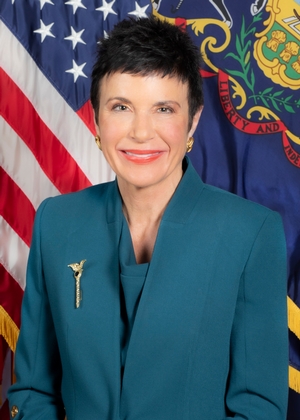
Rep. Marla Brown
Sponsored bills
Maddy summaryHB 1839 amends Pennsylvania's Sexual Assault Testing and Evidence Collection Act by updating definitions related to evidence handling and clarifying requirements for agencies collecting sexual assault evidence. It adds specific penalties for agencies that fail to comply with these procedures. The bill directly affects law enforcement, medical facilities, and crime labs responsible for processing sexual assault evidence. Key changes include standardized protocols for evidence collection and retention to improve case integrity. The bill was referred to the Judiciary Committee on September 9, 2025.
Maddy summaryThis is a proposed constitutional amendment (not a regular bill) that would change Pennsylvania's election rules for state government positions, specifically addressing how members are elected and vacancies are filled. It does not create new laws but seeks to amend the state constitution. The bill was referred to the State Government committee on September 9, 2025, and no specific provisions or affected groups are detailed in the provided context. As a procedural resolution, it requires constitutional approval rather than standard legislative passage.
Maddy summaryHB 1840 amends Pennsylvania's Turnpike Commission Act to establish reduced toll rates for disabled veterans using the state turnpike system. It directly affects disabled veterans who are eligible for this benefit under the amended law. The key provision creates a specific lower toll rate category for qualifying veterans, streamlining access to reduced fares without requiring separate applications. This policy change modifies the existing toll structure to provide cost savings for this defined group of users.
Maddy summaryHB 1846 amends Pennsylvania's 1971 Tax Reform Code to exempt compensation earned by individuals under 18 years old from personal income tax. This provision directly affects minor workers, such as teenagers with part-time jobs or summer employment, by excluding their earnings from taxable income. The bill adds a new tax exemption clause (303(a.7)(2)(i)(F)) specifying that compensation received by under-18 taxpayers is not subject to tax. The exemption applies to taxable years beginning after December 31, 2025, and takes effect immediately upon passage.
Maddy summaryHB 1844 amends Pennsylvania's criminal code (Title 18) to clarify definitions related to abortion and establish requirements for medical consultation and judgment in abortion cases. The bill directly affects healthcare providers who perform abortions by setting legal standards for patient consultations and medical decision-making. Key provisions include adding specific definitions to reduce ambiguity in abortion-related criminal cases and mandating that medical decisions be based on professional judgment and patient consultation. The bill was referred to the Health committee on September 9, 2025, for further review.
Maddy summaryHB 1837 would create a new criminal offense called "child torture" under Pennsylvania's Title 18 (Crimes and Offenses) statute, specifically within the section addressing family offenses. This bill directly affects individuals who commit severe physical or psychological abuse against children, adding a distinct legal charge for such acts. The key mechanism involves amending existing laws to define and categorize "child torture" as a specific offense, separate from other child abuse crimes. This would provide prosecutors with a targeted legal framework to address extreme cases of child maltreatment.
Maddy summaryHB 1845 amends Pennsylvania's Safe Drinking Water Act to update definitions related to water quality standards and address public nuisances involving drinking water. This bill would directly affect water suppliers, public health agencies, and communities by clarifying legal terms and procedures for handling unsafe water conditions. Key provisions include revising terminology to better align with current regulatory needs and establishing clearer pathways for addressing public nuisances, such as contaminated water sources. However, the specific details of these changes are not provided in the available context, so the exact scope and impact cannot be fully described. The bill has been referred to the Health committee for further consideration.
Maddy summaryHB 1816 regulates pet shops and kennels that handle dogs, cats, and rabbits. It prohibits specific practices like selling animals without health records and requires shops to maintain clean facilities, provide adequate food/water, and display clear pricing. The Department of Agriculture must enforce these rules, conduct inspections, and impose fines for violations. This bill directly affects businesses operating pet shops and kennels in the state, mandating new operational standards and penalties for noncompliance.
Maddy summaryHB 1763 aligns Pennsylvania's tax credit program with a federal tax credit for contributions to scholarship organizations. It requires scholarship organizations in Pennsylvania to verify their tax-exempt status, maintain separate accounts for scholarship funds, provide scholarships to at least 10 students from different schools, spend 90% of income on scholarships, and verify applicants' household income to ensure eligibility. Organizations must submit compliance documentation by June 1, 2026, and annually thereafter, with the state department confirming their eligibility for the federal tax credit. This directly affects scholarship organizations seeking to participate in the federal tax credit program, ensuring they meet federal requirements to allow donors to claim tax benefits.