

Maddy summaryThis bill creates the Emerging Psychologists Workforce Initiative Program in Pennsylvania to help address shortages of mental health professionals by offering financial support to new doctoral-level psychologists. The program provides commitment stipends to eligible applicants who agree to complete an accredited internship in designated shortage areas or facilities and then remain employed there for at least 12 months after finishing their training. To qualify, applicants must be Pennsylvania residents holding a relevant doctoral degree and must not have previously completed a full year of internship hours. The Department of Health is responsible for administering the program, distributing internship positions between rural and urban areas, and enforcing the employment contract terms, including requiring recipients to repay the stipend if they fail to meet the service requirements.
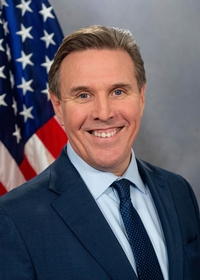
Rep. Paul Takac
Sponsored bills
Maddy summaryThis Pennsylvania House Resolution designates November 2024 as "Veterans and Military Families Month" to honor the state's large veteran population and their families. The measure serves as a symbolic gesture to acknowledge the sacrifices made by service members and to highlight the support provided by the Department of Military and Veterans Affairs. It does not create new laws or funding but directs a copy of the resolution to the relevant state department for record-keeping.
Maddy summaryThis bill updates the membership rules for Pennsylvania's State Veterans' Commission to ensure broader representation of different veteran groups. It mandates that the commission include representatives from sixteen specific national veterans' organizations, such as the American Legion and VFW, along with four members appointed by the Governor who must be female or Vietnam-era veterans. The legislation also clarifies the roles of state-level leaders from the American Legion, Disabled American Veterans, and Veterans of Foreign Wars as nonvoting members. These changes aim to modernize the commission's composition while maintaining its existing structure under Pennsylvania law.
Maddy summaryThis bill establishes a policy allowing Pennsylvania educational institutions to award academic credit for military training and service. It directly affects students enrolled in community colleges, public universities, and state-related institutions who have completed military duties. The legislation requires the Department of Education to create guidelines for granting credit based on the skills and experience gained during service. Additionally, the bill ensures that professionals holding state licenses do not lose their credentials or miss continuing education requirements while serving in the military.
Maddy summaryThis Pennsylvania bill prohibits the intentional addition of perfluoroalkyl and polyfluoroalkyl substances, commonly known as PFAS, to a wide range of consumer products including cookware, cosmetics, food packaging, and artificial turf. While the law generally bans these chemicals, it allows for their use in specific items if the Department of Environmental Protection determines that no safer alternative exists and the chemical is critical for the product's function. The Department of Environmental Protection is tasked with enforcing these restrictions, managing a public database of PFAS information, and imposing penalties for violations.
Maddy summaryThis bill modifies state laws regarding student attendance to protect children from being removed from school when their guardians live outside the district or provide false residency information. It requires schools to offer a formal hearing and an opportunity to appeal before disenrolling any affected student, ensuring parents or guardians are informed of their rights under federal homeless student protections. The legislation also mandates that schools provide clear, understandable information about these rights and allows a court order to be the only other reason for immediate removal. Overall, the measure aims to ensure due process for families facing potential school enrollment issues while maintaining compliance with federal guidelines.
Maddy summaryHB 1032 establishes a new grant program called Solar for Schools to fund solar energy projects at educational institutions. The bill also creates a legal framework requiring owners of solar facilities on leased land to provide financial guarantees that cover the cost of removing the equipment when it stops producing electricity. These financial assurances must remain in place even if the facility is sold to a new owner, ensuring that the original landowner is protected. Additionally, the legislation authorizes the Department of Community and Economic Development to manage these grants and outlines specific rules for solar agreements to prevent future cleanup costs from falling on property owners.
Maddy summaryThis bill amends Pennsylvania's military affairs laws to update the list of partners involved in the state's veterans outreach programs. Specifically, it replaces the term "county directors" with "veteran and community outreach partners" who work under the PA VETConnect Program or other department-administered initiatives. The change aims to broaden the scope of recognized collaborators in community engagement efforts for veterans. This legislative update is an editorial adjustment to the existing statutes rather than a new policy initiative.
Maddy summaryThis Pennsylvania law creates a new legal mechanism to protect individuals and organizations when they are sued over their public speech, news reporting, or artistic work. It allows people who are wrongly sued to recover their legal fees and, in cases of malicious harassment, potentially punitive damages. The legislation grants immunity from lawsuits to those exercising free speech rights on matters of public concern, provided they can prove the lawsuit lacks merit. However, the law does not apply to government officials acting in their official capacity, businesses selling goods or services, or claims involving bodily injury, trade secrets, or internal corporate disputes. Additionally, it requires state court and legislative offices to update their resources to reflect these new protections.
Maddy summaryHB 897 updates Pennsylvania's Public School Code to streamline credit transfers between public colleges and universities by establishing new definitions and admission standards. The bill guarantees that students transferring with an associate degree or 30 credits will receive full junior standing and face the same admission and retention requirements as students who started at their new institution. It also creates a Dual Credit Innovation Grant Program and mandates specific data reporting to improve transparency and accountability within the higher education system.