

Maddy summaryHB 2599 amends Pennsylvania's firearm laws to require a valid license for anyone carrying a concealed firearm on their person or inside a vehicle, with specific exceptions for those who already hold a valid license from another state or the federal government. The bill establishes that carrying a concealed firearm without a license is a third-degree felony for those with a prior criminal record, while reducing the penalty to a first-degree misdemeanor for first-time offenders. It also clarifies that individuals must present their license or proof of eligibility to law enforcement upon request and sets the law into effect 60 days after passage.
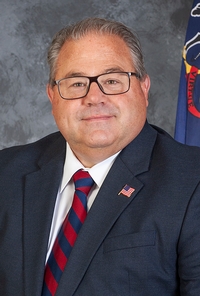
Rep. Mike Armanini
Sponsored bills
Maddy summaryThis bill designates July 4, 2026, as "Knoebels Amusement Resort Day" in Pennsylvania to commemorate the 100th anniversary of the Knoebels Amusement Resort, a family-owned park in Elysburg that opened on July 4, 1926. The resolution recognizes the park's history, including its origins as a picnic destination and its growth into a major attraction with over 50 rides and games. It highlights the Knoebel family's long-standing connection to the land and the park's resilience through various natural challenges, including multiple flooding events. The designation serves as a symbolic celebration of the resort's century of operation and its contribution to Pennsylvania's tourism and entertainment industry.
Maddy summaryHB 2173 updates Pennsylvania's Medical Practice Act of 1985 by adding new definitions and licensing requirements for medical imaging professionals. It specifically creates licensing categories for roles like medical imaging professionals, radiation therapists, radiologist assistants, and trainees, defining their scope of practice (including modalities such as MRI, CT scans, ultrasound, and nuclear medicine). The bill removes outdated provisions about radiologic procedures and education requirements while establishing certification standards through recognized medical imaging certification organizations. This directly affects healthcare workers performing imaging procedures, requiring them to obtain board licenses based on their certified modalities. The changes clarify professional responsibilities and ensure consistent training standards for these healthcare roles.
Maddy summaryThis bill designates a specific bridge in Indiana County, Pennsylvania, as the Private Robert M. Pittman Memorial Bridge in honor of a local World War II veteran. The legislation officially names the structure after Private Pittman, who lost his life aboard the USS Dorchester, and directs the state Department of Transportation to install and maintain signs with this new name for public visibility. By changing the bridge's official title, the act serves as a commemorative measure to recognize Pittman's service and sacrifice rather than altering any traffic laws or infrastructure requirements.
Maddy summaryThis House Resolution designates 2025 as "The Year of the Catholic War Veterans of the United States of America" in Pennsylvania to honor the organization's 90-year history of service to faith, family, and country. It is a ceremonial measure expressing the state's recognition of the Catholic War Veterans' contributions, including their work with Pennsylvania's veterans community and their national service since 1935. The resolution does not create new laws or alter existing policies - it is purely symbolic, with no direct impact on legislation or funding.
Maddy summaryThis bill authorizes Pennsylvania to join the Respiratory Care Interstate Compact, a legal agreement designed to allow licensed respiratory therapists to practice in other member states without needing separate licenses for each location. The legislation establishes a framework where a therapist's home state retains primary regulatory authority while granting temporary practice privileges in other states to improve patient access and support military families. Key provisions include creating a central data system to track licenses, defining strict rules for handling disciplinary actions across state lines, and setting requirements for criminal background checks and jurisprudence exams. By adopting this compact, the state aims to streamline administrative processes and address workforce shortages while maintaining public safety standards.
Maddy summaryHR 240 is a resolution designating January 2026 as "Stalking Awareness Month" in Pennsylvania. This resolution formally recognizes the month to promote public awareness about stalking and encourage community efforts to address the issue. It does not create new laws or funding but serves as a symbolic designation to highlight stalking prevention and support resources. The resolution was referred to the Judiciary committee and reported as committed in 2025.
Maddy summaryThis bill amends Pennsylvania's Medicare Supplement Insurance Act to allow individuals to switch insurance companies without being denied coverage or facing higher prices due to their health status or medical history. It specifically applies to people aged 65 or older who are already enrolled in Medicare and wish to change their current supplement plan within 60 days of their birthday while keeping the same type of coverage. Under the new rules, a new policy issued under these conditions must take effect on the first day of the month that is at least 30 days after the application is signed, and the changes will become effective on January 1, 2027.
Maddy summaryThis bill amends Pennsylvania's Professional Nursing Law to update the legal definitions and scope of practice for certified registered nurse anesthetists (CRNAs). It allows CRNAs to perform anesthesia services under the overall direction of a physician, podiatrist, or dentist who is present and available onsite during the procedure. The legislation grants CRNAs expanded authority to prescribe and administer certain medications, order and interpret diagnostic tests, and manage patient care throughout the anesthesia process, including preoperative preparation, induction, maintenance, and post-anesthesia care. These changes formalize the professional responsibilities of CRNAs within the state's nursing regulatory framework without altering the requirement for collaborative oversight by licensed medical professionals.
Maddy summaryThis Pennsylvania bill creates a new criminal offense for interfering with religious worship, which would apply to individuals who intentionally disrupt religious services or block access to places of worship. The law defines interference as knowingly entering or remaining in a religious building after being asked to leave and disrupting activities, or using force, threats, or physical obstruction to harm or impede people exercising their religion. Violations would be classified as third-degree misdemeanors for simple disruption and second-degree misdemeanors for actions involving force or threats. The bill takes effect 60 days after passage and defines religious worship locations as buildings or grounds regularly used for religious activities.