

Maddy summaryHB 77 updates Pennsylvania's food protection laws to align with the 2022 FDA Food Code. It requires retail food facilities (like restaurants and grocery stores) to prominently display employee allergy awareness posters detailing major allergens and symptoms, and to include allergen information on menus or written materials for customers. The bill also revises definitions of "potentially hazardous food" and mandates that the Pennsylvania Department of Agriculture adopt the FDA Food Code standards, with updates published in the Pennsylvania Bulletin. The law takes effect 60 days after enactment.
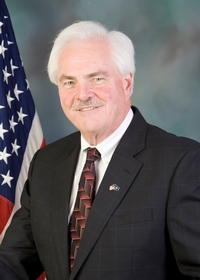
Rep. Lee James
Sponsored bills
Maddy summaryHB 650 requires Pennsylvania's Department of Transportation to maintain at least five physical locations statewide where auto dealers can obtain vehicle registration plates and safety/emissions inspection stickers. Each location must be open for dealers at least two days per week for a minimum of three hours daily, with locations spread across different regions and one specifically in a city of the third class (population 48,000-55,000). The bill directly affects auto dealers who rely on these services for vehicle transactions and compliance, ensuring more accessible in-person access to registration and inspection services.
Maddy summaryHB 165 amends Pennsylvania's abortion law to require pain relief medication for fetuses over 15 weeks' gestation during abortion procedures, directly affecting abortion providers performing such procedures. The bill adds a new provision (Section 3204(b.1)) stating that pain relief medication must be administered prior to the procedure unless the physician knows the pregnant person has an adverse reaction to it or a medical emergency prevents timely administration. This change applies specifically to abortions at or beyond 15 weeks' gestation. The law would take effect 60 days after enactment. It focuses on procedural requirements for medical care during abortion, not on restricting access.
Maddy summaryHB 598 amends Pennsylvania's definition of "truck stop establishment" in Title 4 (Amusements) by removing a requirement that truck stops sell an average of 50,000 gallons of diesel monthly. The new definition now requires truck stops to have diesel fueling islands, at least 20 dedicated parking spaces for commercial vehicles, a convenience store, a minimum of three acres of land (not owned by the Pennsylvania Turnpike), and to be situated on property meeting these criteria. This change directly affects existing truck stops that previously qualified under the old diesel sales threshold but lack the new physical or operational requirements. The bill takes effect 60 days after enactment.
Maddy summaryThis bill amends Pennsylvania's Unemployment Compensation Law to create a process for providing emergency staffing during high-demand periods. It allows the Governor to hire additional workers or reassign existing state employees (including furloughed staff) to unemployment compensation offices when the state enters an extended benefit period or declares a disaster emergency. The Governor must consult with legislative committee chairs before making staffing decisions, and all actions must prioritize employee health and safety. The law takes immediate effect to help ensure unemployed Pennsylvanians can access benefits without delays during crises.
Maddy summaryHB 581, titled the Parental Rights in Education Act, prohibits public schools from teaching about sexual orientation or gender identity to students in kindergarten through fifth grade. It requires schools to notify parents in writing before providing health care services (like mental health support) or administering well-being questionnaires/surveys to K-5 students, including an option for parents to withhold consent. Schools must also allow parents access to their child's education and health records and cannot retaliate against students who report violations. The bill creates a legal right for students or parents to sue schools for noncompliance within 180 days of a violation.
Maddy summaryHB 585 amends Pennsylvania's statutory interpretation rules by adding "legislative interpretations" to the list of factors courts must consider when determining a statute's meaning. Specifically, it revises Section 1921(c)(8) of Title 1 to explicitly include how lawmakers themselves interpreted a law as a valid consideration. This change directly affects courts and legal interpreters when resolving ambiguities in existing Pennsylvania laws. The bill makes a technical adjustment to statutory construction procedures without creating new policies or affecting specific groups.
Maddy summaryHB 595 requires Pennsylvania's Medicaid program to integrate mental health, addiction, and physical health services into a single managed care system for all eligible residents. The bill mandates that the state contract with managed care organizations to provide comprehensive, community-based care addressing both behavioral and physical health needs, while also addressing social factors affecting health. It requires the state to seek federal waiver approval by October 1, 2025, to implement this integration, including mandatory enrollment for all Medicaid-eligible individuals in the new system. This change aims to improve care coordination and create a more efficient health care delivery model.
Maddy summaryHB 546 creates a military exception for minors under 18 seeking a junior driver's license in Pennsylvania. It allows the state to count time spent with a learner's permit and driving practice hours completed in another state toward eligibility requirements. This applies specifically to minors who are family members of active duty military members living in Pennsylvania with them, hold a valid out-of-state learner's permit, and have received a Pennsylvania learner's permit. The Pennsylvania Department of Transportation must credit this prior experience if all conditions are met.
Maddy summaryHB 544, the Health Care Practitioner Credentialing Act, requires all health insurers in Pennsylvania to accept the CAQH credentialing application (or a nationally recognized alternative) for health care practitioners seeking to join insurer networks. It sets clear timelines: insurers must notify practitioners within 10 business days if an application is incomplete, and make a final credentialing decision within 45 business days of receiving a complete application. The bill also mandates automatic credentialing for practitioners with multi-location practices and imposes penalties on insurers that fail to use CAQH or delay the process. It does not guarantee network access but standardizes the application and review process for practitioners and insurers.