

Maddy summaryThis bill requires the Public School Employees' Retirement Board and the State Employees' Retirement Board to livestream their public meetings and post unedited video and written records online for at least three years. It also clarifies that sensitive investment information, such as details about alternative investments, will remain confidential to protect financial interests but will eventually become public once the risk of competitive harm or negative impact on investment value no longer exists. Additionally, the legislation mandates that specific basic details about alternative investment vehicles, including the manager's identity and the amount of money committed, must always be accessible to the public. These changes aim to increase transparency in how the boards manage records and conduct business while safeguarding sensitive financial data.
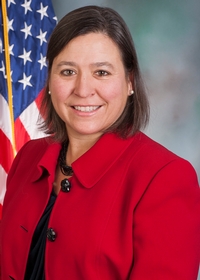
Rep. Valerie Gaydos
Sponsored bills
Maddy summaryThis bill creates a new state program to provide insurance and financial assistance for property damage caused by coal and clay mine subsidence and landslides in Pennsylvania. It establishes a dedicated Insurance Board and two separate funds to manage coverage for homeowners and businesses in affected mining and landslide-prone areas. The legislation outlines how the Department of Environmental Protection will administer the program, set premiums, and process claims while also creating a mechanism for mitigation assistance to reduce future risks.
Maddy summaryThis bill establishes a Taxpayer Dividend Program in Pennsylvania to refund a portion of state budget surpluses to resident individual taxpayers. The program would distribute funds from the General Fund and the Budget Stabilization Reserve Fund to individuals who filed and paid taxes for the 2023 tax year. Money taken from the General Fund is limited to the existing surplus, while withdrawals from the Rainy Day Fund require a two-thirds legislative vote and must leave at least 6% of the fund's value intact. The Department of Revenue is tasked with identifying eligible recipients and processing payments, with the goal of returning accumulated surplus money rather than using it for expanded government spending.