

Maddy summaryHB 1269 establishes the Brain Injury Advisory Board within Pennsylvania’s Department of Health. The board will consist of 25 voting members appointed by the Governor, including brain injury survivors, family caregivers, disability advocates, rehabilitation providers, injury prevention groups, and veterans with brain injuries. It also creates 9 non-voting members representing key state agencies like Aging, Corrections, Education, and Human Services. The bill defines the board’s structure, membership requirements, and terms (4 years, no term limits), with members serving without pay but reimbursed for expenses. This is a procedural change to create an advisory body, not a policy shift affecting health services or funding.
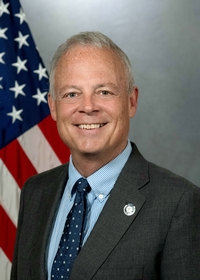
Rep. Perry Warren
Sponsored bills
Maddy summaryHR 97 is a resolution designating the week of May 4-10, 2025, as "Career and Technology Week" and May 7, 2025, as "National Skilled Trades Day" in Pennsylvania. It symbolically recognizes the role of career and technical education programs and skilled trades professions in supporting Pennsylvania's economy and workforce development. The resolution highlights how these fields prepare students for high-demand careers in healthcare, manufacturing, construction, and technology while addressing workforce shortages. This non-binding resolution does not create new laws or allocate funds but aims to raise awareness and honor contributions to Pennsylvania's economic growth.
Maddy summaryHB 1289 establishes a 2026 adjustment for retired municipal police officers and firefighters who retired before January 1, 2016, and have been retired for at least 10, 15, or 20 years as of January 1, 2026. Eligible retirees will receive monthly payments of $250, $375, or $500 based on their retirement duration, with reductions for prior benefits received and caps if multiple retirement systems apply. Municipalities must certify these payments and will receive full reimbursement from the Commonwealth for the 2026 costs. This extends a similar state reimbursement program previously used for 2002 adjustments.
Maddy summaryThis resolution designates May 2025 as "Asian-American and Pacific Islander Heritage Month" in Pennsylvania. It symbolically recognizes the contributions of Asian-American and Pacific Islander communities to Pennsylvania and the nation, citing historical milestones like the arrival of the first Japanese immigrant in 1843 and Chinese railroad workers in 1869. The resolution encourages all Pennsylvania residents to learn about this heritage but does not create new laws, funding, or obligations. It directly affects the entire Commonwealth by formally designating a month for commemoration. As a non-binding resolution, it has no legal or financial impact beyond raising awareness.
Maddy summaryHB 1374 changes Pennsylvania's fee structure for birth records issued by the Department of Health. It requires the Department to provide one free certified copy of a birth record to anyone born in Pennsylvania upon request, and allows a second copy within the same four-year period at no cost. For any additional certified copies requested during that four-year window, the Department must charge a $20 fee. This policy directly affects Pennsylvania residents seeking birth records for personal, medical, or legal purposes. The bill amends the 1929 Administrative Code to implement this fee structure.
Maddy summaryThis Pennsylvania House Resolution (HR 213) designates June 19, 2025, as "Juneteenth Independence Day" to commemorate June 19, 1865 - the date Union troops in Galveston, Texas, announced the end of slavery nationwide. It encourages Pennsylvania residents to observe the day through educational events and activities. As a commemorative resolution, it does not create new laws or establish a paid holiday, but formally recognizes the historical significance of the date when slavery was finally abolished in all U.S. regions.
Maddy summaryHB 308 establishes new workplace health and safety standards specifically for public employees in Pennsylvania, including those working for the Commonwealth, counties, cities, schools, and public institutions. It creates the Pennsylvania Occupational Safety and Health Review Board, grants the Secretary of Labor new enforcement powers for workplace inspections, and requires public employers to meet safety standards comparable to those in the private sector under federal OSHA. The bill imposes penalties for violations, prohibits employer retaliation against employees reporting safety concerns, and mandates recordkeeping and reporting procedures. This legislation directly affects all public employees across Pennsylvania who previously lacked consistent state-level safety protections.
Maddy summaryHB 1323 amends Pennsylvania's Professional Nursing Law to establish a formal certification process for Advanced Practice Registered Nurses (APRNs). It requires the Board of Nursing to issue certificates to nurses holding a master's or higher degree who are already licensed as nurse practitioners, clinical nurse specialists, or nurse anesthetists. Certified APRNs may use the title "Advanced Practice Registered Nurse" and "A.P.R.N.," and the Board must maintain a public online registry of all certified APRNs. This bill directly affects nurses seeking APRN certification in Pennsylvania and clarifies their title usage and public recordkeeping.
Maddy summaryHB 1327 amends Pennsylvania's Election Code to strengthen penalties for election bribery and create a new offense for paying to induce voter registration. It makes offering money, goods, or lottery chances to influence voting a felony (with penalties up to $15,000 or seven years), while paying someone to register to vote becomes a misdemeanor (up to $10,000 or five years). This bill directly affects individuals who attempt to bribe voters or pay for registration to influence election participation. The provisions aim to deter improper election practices by criminalizing financial incentives tied to voting behavior or voter registration.
Maddy summaryHB 1317 increases Pennsylvania's annual cap on entertainment production tax credits from $100 million to $125 million. It also establishes new rules allowing the Department of Revenue to carry forward unused credits: up to 30% for the next fiscal year, 20% for the year after, and 10% for the third year. This directly affects film and entertainment producers seeking tax credits under the Tax Reform Code of 1971. The changes apply to fiscal years beginning July 1, 2025.