

Maddy summaryThis bill (HB 1384) amends Pennsylvania's juvenile justice laws under Title 42, specifically addressing confinement in juvenile treatment facilities. The bill's title indicates it aims to change how juveniles are confined within these facilities, though the specific provisions or changes to confinement procedures are not detailed in the provided context. It directly affects juveniles involved in the state's juvenile justice system and the facilities that house them. The bill was referred to the Judiciary Committee on June 10, 2025, but the full text and exact mechanisms of the amendment are not included in the available information.
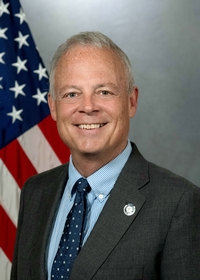
Rep. Perry Warren
Sponsored bills
Maddy summaryHR 227 is a ceremonial resolution designating August 17-23, 2025, as "Little League World Series Week" in Pennsylvania. It recognizes the Little League World Series, held annually in South Williamsport, as a celebration of youth sports, community volunteers, and Pennsylvania’s historical role as the founding home of Little League (1939). The resolution encourages Pennsylvanians to observe the week by attending events, honoring volunteers, and supporting local youth sports. As a non-binding resolution, it does not create new laws or policies but formally acknowledges the event’s cultural and economic significance to the state.
Maddy summaryThis resolution designates June 14, 2025, as the "250th Birthday of the United States Army" within Pennsylvania. It commemorates the founding of the Continental Army on June 14, 1775, and recognizes Pennsylvania's historical role in the Army's formation, including its "Pennsylvania Line" units. The resolution also acknowledges Pennsylvania's large veteran population (nearly 700,000) and honors current and past Army service members. As a commemorative resolution, it has no binding policy impact and serves solely to recognize this historical milestone.
Maddy summaryHB 1072 modifies two existing laws: it updates the Taxpayer Relief Act to clarify eligibility and application processes for senior citizens' property tax and rent rebate programs, directly affecting seniors who qualify for these benefits. It also amends the State Lottery Law to specify how lottery revenue funds are allocated and managed. The bill makes concrete changes to how rebate claims are filed and paid under the senior assistance program, while adjusting the disposition of lottery funds. These amendments aim to streamline administration without creating new programs or altering benefit amounts.
Maddy summaryHB 463 prohibits "speculative ticketing," which involves buying event tickets to resell them at significantly higher prices before the event occurs. It directly affects consumers who face inflated prices and ticket sellers engaging in this practice. The bill amends the Unfair Trade Practices Law to ban buying or selling tickets for profit based on anticipated demand, not actual ownership. The bill passed the House on June 4, 2025, and is now pending review by the Consumer Protection & Professional Licensure committee.
Maddy summaryHB 1096 creates the Pennsylvania Food Bucks Program, which provides financial assistance to low-income residents for purchasing fresh fruits and vegetables at participating retailers. The bill establishes a dedicated "Pennsylvania Food Bucks Program Account" within the state treasury to fund the program and requires the state to conduct research on the program's effectiveness. It directly affects eligible low-income Pennsylvanians and participating farmers and retailers by expanding access to healthy food options. The law, which passed on June 3, 2025, focuses on concrete policy changes: creating the program structure, securing funding through the new account, and mandating program evaluation.
Maddy summaryHB 180 replaces Pennsylvania’s existing school lunch and breakfast reimbursement system with a new Universal School Meal Program, ensuring all public school students in the state can receive free meals regardless of family income or unpaid meal debt. The bill requires school districts to provide meals to any student who requests one (unless parents specifically withhold consent in writing) and prohibits schools from stigmatizing students with meal debt through wristbands, public identification, or denying activities like sports or graduation. It bans collecting fees, interest, or using collections agencies for unpaid meal costs, and mandates schools help families apply for assistance instead of pursuing debt. This directly affects over 1.5 million Pennsylvania public school students and their school districts, shifting from a means-tested system to universal access.
Maddy summaryHB 1537 amends Pennsylvania's Tax Reform Code of 1971 to clarify the definition of "compensation" for personal income tax purposes. The bill explicitly includes certain deferred compensation (like 409A plan distributions) while excluding specific payments such as disability benefits, retirement payments, public assistance, and employer-provided health benefits. This definition affects how Pennsylvania taxes income from employment, ensuring consistent application of tax rules for taxpayers and employers. The change aligns Pennsylvania's tax code with specific federal provisions but does not alter tax rates or create new taxes. The bill is currently referred to the Finance committee.
Maddy summaryThis resolution (HR 241) urges Congress to adopt three specific bills: H.R. 1876 (keeping field offices open), H.R. 1877 (protecting Social Security data), and S. 770 (expanding Social Security). It does not create new laws or affect individuals directly; instead, it is a non-binding request addressed to Congress. The resolution was referred to the Aging & Older Adult Services committee on May 29, 2025, for consideration.
Maddy summaryHB 1506 would require Pennsylvania state and county correctional facilities to provide affordable communication services, such as phone calls or video visits, for inmates. This bill directly affects incarcerated individuals and their families by improving access to regular contact. The key provision mandates that all correctional institutions must offer these services at reasonable rates, aiming to support family connections during incarceration. The bill is currently under review by the Communications & Technology committee.