

Maddy summaryThis bill establishes the Health Insurance Access Protection Act to prevent insurance companies from discriminating against people based on their health status, medical history, or preexisting conditions. It requires insurers to allow individuals and their dependents to enroll in or renew health plans without denying coverage or charging higher premiums due to these health factors. The law also limits how much insurance rates can vary based on age and tobacco use while giving the Insurance Department authority to set specific rating rules and enforce penalties for violations.
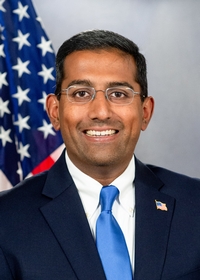
Rep. Arvind Venkat
Sponsored bills
Maddy summaryThis bill updates Pennsylvania's insurance laws to expand health coverage for adult children of policyholders. It requires health insurance policies to keep covering children up to age 26 without denying them based on factors like marital status, residency, or employment. Additionally, the law allows insurers to offer continued coverage until age 29 for unmarried adult children who are full-time students or residents, provided they meet specific eligibility requirements. These changes primarily affect individuals purchasing or renewing health insurance plans and the insurance companies that issue them.
Maddy summaryThis Pennsylvania bill, known as the Health Insurance Protection Against Limitations Act, requires health insurers to remove annual and lifetime dollar limits on core medical benefits for both individual and group plans. The law specifically applies to policies that were first offered or issued in the state in 2024, ensuring that essential services are not capped over time. To enforce these rules, the Insurance Department is authorized to create regulations and impose penalties, including fines up to $500,000 for insurers, on companies that violate the coverage protections. Additionally, the bill mandates that the Insurance Commissioner notify the state legislature if federal laws protecting against such limits are repealed or invalidated.
Maddy summaryThis bill proposes a constitutional amendment to prevent local taxing authorities in Pennsylvania from raising their property tax millage rates to fund special real property tax provisions. The change directly affects local governments and property owners by restricting how these entities can adjust tax rates for specific property-related programs. By inserting a new clause into the existing text, the legislation ensures that any special tax provisions cannot be financed through an increase in the standard property tax rate. This measure aims to limit the ability of local officials to modify tax structures for these specific purposes without additional legislative approval.
Maddy summaryHB 155 amends the Pennsylvania Health Care Facilities Act to update licensing requirements and strengthen consumer protections for residents of health care facilities. The bill includes a specific change to strike the phrase "or other" from the text, which alters how certain regulatory language is applied within the law. By modifying the existing statute and abrogating a specific regulation, the legislation aims to refine the legal framework governing health care facility operations. This measure directly impacts health care providers and facility administrators who must comply with the revised licensing standards.
Maddy summaryThis bill amends the Real Estate Licensing and Registration Act to clarify the rules governing cemeteries owned by municipalities. It requires local governments to maintain cemetery grounds but explicitly prohibits them from operating these cemeteries for the purpose of selling plots or burial spaces to make a profit. The changes directly affect municipal authorities and real estate professionals who manage cemetery properties, ensuring that public land remains non-commercial. By adding a new section to the existing law, the legislation establishes clear boundaries between public maintenance duties and commercial real estate activities.
Maddy summaryThis bill amends the Osteopathic Medical Practice Act to change the term "registered" to "licensed" in specific sections of the law. The change directly affects the official title and terminology used to describe osteopathic physicians within the state's regulatory framework. By updating the language, the legislation ensures consistency in how medical professionals are identified in legal documents. The bill does not alter the actual requirements for practicing medicine, only the wording used in the statute.
Maddy summaryThis bill makes a minor technical correction to the Medical Practice Act of 1985 by clarifying the definition of "registered" in the text. The amendment adds the words "licensed" to the phrase, changing it to "registered] licensed" to ensure precise terminology regarding medical professionals. This change does not alter the substantive rules or regulations of the act but serves to improve the accuracy of the legal definitions within the law.
Maddy summaryThis bill designates September 1, 2024, as "Polish Resistance in World War II Commemoration Day" within the state of Pennsylvania. The legislation honors the bravery of Polish soldiers and civilians who fought against German forces during the war, particularly highlighting the Warsaw Uprising of 1944. It serves as a symbolic gesture to recognize the sacrifices made by Polish Americans and the broader Allied effort, noting that Luzerne County has a significant population with Polish heritage. As a commemorative resolution, the bill does not alter laws or allocate funding but instead establishes an official date for public remembrance.
Maddy summaryThis bill designates October 6, 2024, as "German American Day" in Pennsylvania to honor the state's historical connection to German immigrants and their descendants. The legislation highlights key milestones, such as the founding of Germantown in 1683 and the significant role German ancestry plays in the Commonwealth's population and culture. By formally recognizing this date, the House aims to celebrate the enduring relationship between Pennsylvania and Germany, which is supported by strong cultural ties and economic partnerships.