

Maddy summaryThis bill directs the Pennsylvania Department of Health to launch a public education campaign focused on prostate health and cancer screening. The legislation requires the department to provide clear, up-to-date information on risk factors, screening guidelines based on age and risk level, and the benefits and risks of available tests. To support these efforts, the bill establishes a dedicated state fund that can be financed through appropriations, grants, and donations to cover the costs of the campaign. The outreach will utilize various channels, including media, community forums, and partnerships with health providers, while ensuring materials are available in multiple languages.
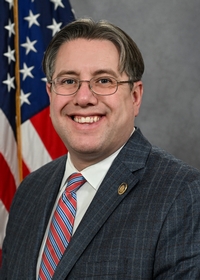
Rep. Tim Brennan
Sponsored bills
Maddy summaryThis bill directs the Pennsylvania Department of Health to create a grant program designed to help healthcare providers and facilities run education campaigns about prostate cancer and general prostate health. The Department of Health will manage the program by accepting applications from eligible local healthcare entities and awarding grants ranging from $1,000 to $30,000 to fund the creation and distribution of educational materials. A dedicated fund will be established in the State Treasury to hold money from the General Assembly, donations, and grants, with any leftover funds staying in the program rather than returning to the general state budget. Additionally, the Department of Health is required to submit annual reports to the General Assembly detailing how many grants were awarded, the total amounts involved, and a summary of the educational activities carried out by the recipients.
Maddy summaryThis bill amends Pennsylvania's Patient Test Result Information Act to require laboratories to directly notify patients when their prostate-specific antigen blood tests show abnormal results. Under the new rules, labs must send a notice within five days that includes a plain-language summary of the findings, the name of the doctor who ordered the test, and instructions on how to get the full report. The Department of Health is tasked with overseeing compliance with these notification requirements and creating a publicly available list of age-specific normal and abnormal test levels. While the full results are still sent to the ordering doctor, the law ensures patients receive immediate awareness of potential issues and are encouraged to contact their healthcare provider promptly.
Maddy summaryThis Pennsylvania House resolution designates April 14, 2026, as "Animal Control Officer and Animal Cruelty Officer Day" and recognizes April 12-18, 2026, as "National Animal Control Appreciation Week" within the state. It formally acknowledges the work of animal control and cruelty officers who investigate animal abuse, protect animals from harm, and handle stray or abandoned animals. The resolution has no legal effect or policy changes - it is solely a symbolic gesture of recognition with no funding or new requirements.
Maddy summaryHouse Bill 993 creates an official logotype for veteran-owned businesses in Pennsylvania. The Department of Military and Veterans Affairs will develop this logotype and establish an application process and eligibility guidelines for businesses to use it. A veteran-owned business is defined as one where at least 51% of the ownership is held by a veteran. The bill also establishes a penalty for fraudulently claiming veteran status to use the logotype and creates a Veteran-Owned Business Coordinator to assist veteran entrepreneurs.
Maddy summaryThis Pennsylvania House Resolution officially designates December 29, 2026, as the 175th Anniversary of the Young Men's Christian Association (YMCA) in the state. The bill recognizes the YMCA's long history of providing community services, including youth programs, fitness activities, and child care, noting that Pennsylvania hosts more YMCA locations than any other state. It expresses appreciation for the organization's staff and volunteers while encouraging continued support for their efforts to foster community connection and well-being.
Maddy summaryThis bill creates a new tax credit for individuals employed as direct support professionals who assist people with developmental or intellectual disabilities. To qualify, workers must have an adjusted gross income of less than $100,000 and can claim a credit of up to $1,000 against their state taxes, with any unused portion refunded as cash. The program is limited to a total of $2 million per fiscal year and will be available from 2026 through 2030.
Maddy summaryThis bill designates a specific bridge in Cambria County as the Brown Brothers Memorial Bridge to honor five brothers who served in the U.S. Army during World War II. The legislation requires the state Department of Transportation to install and maintain signs displaying the new name for the bridge carrying Pennsylvania Route 271. The act takes effect 60 days after being signed into law.
Maddy summaryThis Pennsylvania bill creates a limited tax credit program for manufacturers of malt or brewed beverages who make specific capital investments in their production facilities. Under the new rules, eligible companies can receive a tax credit for up to $200,000 in qualifying equipment purchases made during designated time periods, with the credit potentially usable over five years. The legislation also allows these tax credits to be sold to other taxpayers, who can then apply the credit against up to 50% of their own tax liability for that year. The Department of Revenue will oversee the program, including verifying taxpayer compliance before approving credit sales and setting guidelines for the process.
Maddy summaryHB 1485 amends Pennsylvania's Emergency and Law Enforcement Personnel Death Benefits Act to include "public works employees" as eligible recipients for death benefits. The bill adds a definition clarifying that public works employees - municipal workers maintaining infrastructure like roads, water systems, or parks who respond to emergencies as first responders - are covered if they die while performing duties. It expands the existing $100,000 death benefit (adjusted for inflation) to apply to these employees, alongside firefighters, law enforcement, and others already covered. The change affects surviving spouses, children, or parents of qualifying public works employees who die on duty, without altering the benefit amount or eligibility criteria for other covered personnel.