

Maddy summaryHB 492 repeals Section 8041 of Pennsylvania's Fiscal Code, which previously regulated rodeo events. This removes specific municipal restrictions on rodeo operations, including a 12-day annual limit for ticketed rodeos and definitions for "rodeo hosting entities." The bill directly affects municipalities (counties, cities, townships) and rodeo operators by eliminating these regulatory requirements. The repeal takes effect immediately upon enactment, streamlining the Fiscal Code by removing outdated provisions unrelated to fiscal management.
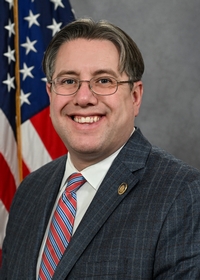
Rep. Tim Brennan
Sponsored bills
Maddy summaryHR 114 is a resolution that recognizes the week of March 10 through 14, 2025, as "Civic Learning Week" in Pennsylvania. It highlights the importance of civic education for an informed and engaged citizenry.
Maddy summaryThis resolution designates May 2025 as "Asian-American and Pacific Islander Heritage Month" in Pennsylvania. It symbolically recognizes the contributions of Asian-American and Pacific Islander communities to Pennsylvania and the nation, citing historical milestones like the arrival of the first Japanese immigrant in 1843 and Chinese railroad workers in 1869. The resolution encourages all Pennsylvania residents to learn about this heritage but does not create new laws, funding, or obligations. It directly affects the entire Commonwealth by formally designating a month for commemoration. As a non-binding resolution, it has no legal or financial impact beyond raising awareness.
Maddy summaryHouse Resolution 223 is a commemorative resolution that recognizes November 19, 2025, as "Roy Campanella Day" in Pennsylvania. This resolution honors the life and legacy of Roy Campanella, a Philadelphia native who was a pioneering baseball player, civil rights advocate, and disability advocate.
Maddy summaryHB 1377 amends Pennsylvania law regarding condominiums, cooperatives, and planned communities, affecting developers and county planning agencies. The bill requires developers to submit detailed information about new communities, including their size and infrastructure, to county planning agencies upon creation. Additionally, county planning agencies must annually prepare and maintain reports identifying all such communities within their municipality, noting their location, size, and available infrastructure like sewer, water, and roadways. These changes aim to enhance record-keeping and information availability for these types of residential developments.
Maddy summaryHB 1371 creates new antitrust enforcement tools in Pennsylvania, primarily affecting health care providers, insurers, and consumers. It establishes a legal cause of action for antitrust violations, allows indirect purchasers (like patients) to seek recovery for harm caused by anti-competitive practices, and requires premerger notification for health care mergers and transactions. The bill also imposes penalties for violations and defines key terms like "health care facility system" and "provider organization." This directly impacts health care entities planning mergers and gives consumers a new avenue to challenge unfair pricing or reduced competition.
Maddy summaryHB 1341 changes how Pennsylvania distributes revenue from vehicle fines. It requires municipalities to provide at least 40 hours per week of police services (via their own department, regional department, or contracted services) to receive a share of these fines. Municipalities that don’t meet this service requirement will no longer qualify for the funds, which will instead be transferred to the Pennsylvania Commission on Crime and Delinquency. This commission will then distribute the funds to programs supporting regional police department accreditation and collaboration across the state. The bill takes effect 60 days after enactment.
Maddy summaryHB 308 establishes new workplace health and safety standards specifically for public employees in Pennsylvania, including those working for the Commonwealth, counties, cities, schools, and public institutions. It creates the Pennsylvania Occupational Safety and Health Review Board, grants the Secretary of Labor new enforcement powers for workplace inspections, and requires public employers to meet safety standards comparable to those in the private sector under federal OSHA. The bill imposes penalties for violations, prohibits employer retaliation against employees reporting safety concerns, and mandates recordkeeping and reporting procedures. This legislation directly affects all public employees across Pennsylvania who previously lacked consistent state-level safety protections.
Maddy summaryThis bill allows land banks to acquire blighted or abandoned properties under specific conditions. Municipalities must verify properties have been vacant/blighted for 5 years (with exceptions for unimproved land), have building code violations or tax delinquency, and send three certified mail notices to owners. Property owners can appeal by submitting a redevelopment plan with financing, architectural details, or developer contracts; if approved, they get 6-month extensions but must meet redevelopment timelines. Land banks must pay owners the property's appraised value minus fines or liens, directly affecting land banks, municipalities, and owners of distressed properties.
Maddy summaryHB 1317 increases Pennsylvania's annual cap on entertainment production tax credits from $100 million to $125 million. It also establishes new rules allowing the Department of Revenue to carry forward unused credits: up to 30% for the next fiscal year, 20% for the year after, and 10% for the third year. This directly affects film and entertainment producers seeking tax credits under the Tax Reform Code of 1971. The changes apply to fiscal years beginning July 1, 2025.