

Maddy summaryHB 1859 proposed changes to Pennsylvania's firearm laws, targeting individuals prohibited from possessing firearms (such as those under extreme risk protection orders) and establishing rules for safely surrendering firearms. It added provisions for "extreme risk protection orders" (court orders to temporarily remove firearms from high-risk individuals), clarified restrictions on firearm possession, and required the Attorney General to create a system for reporting firearm abandonment. The bill also updated procedures for community courts and imposed penalties for violations, but it was defeated in final passage on September 30, 2025.
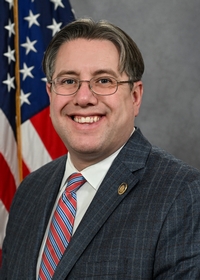
Rep. Tim Brennan
Sponsored bills
Maddy summaryHB 1880 amends Pennsylvania's criminal code to clarify the offense of impersonating a public servant and to create a specific exception for federal immigration officials. The bill states that federal immigration officials do not commit a crime under Pennsylvania law when concealing their identity while performing official immigration enforcement duties. This provision prevents state laws on impersonation and disorderly conduct from being applied to federal officials during such activities. The bill also adds further detail to the impersonation statute to make it clearer for law enforcement.
Maddy summaryHB 1878 would amend Pennsylvania's property laws to establish "managed native conservation landscaping" as a recognized standard for outdoor spaces. This provision would directly affect property owners, developers, and local governments that regulate land use and landscaping requirements. The bill would create specific guidelines for using native plants to conserve water, reduce maintenance needs, and support local ecosystems, requiring that such landscaping be properly maintained to achieve these goals. It is currently under review by the House Housing & Community Development committee.
Maddy summaryThis bill is a symbolic resolution designating July 2025 as "Disability Pride Month" in Pennsylvania. It does not create new laws or requirements but formally recognizes the month to honor the history and achievements of the disability community and commemorate the 35th anniversary of the Americans with Disabilities Act (ADA). The resolution aims to reduce stigma and promote inclusivity by highlighting the contributions of Pennsylvanians with disabilities, as noted in the bill's references to statewide disability statistics. As a ceremonial resolution, it has no legal effect beyond official recognition and does not directly impact specific groups or services.
Maddy summaryHB 1868 amends Pennsylvania laws governing transportation network services (like ride-hailing apps) and highway funding. It sets rules for the rates these companies charge riders and how they compensate drivers. The bill also changes how taxes collected for highway maintenance and construction are allocated to local road projects. This directly affects transportation network companies, drivers, and local governments managing road infrastructure. The legislation aims to clarify operational standards and funding distribution within the state's transportation framework.
Maddy summaryHB 1145 creates a new Public Transit Security Grant Program in Pennsylvania, providing funding to public transit agencies for security improvements like cameras, patrols, or emergency response systems. The bill establishes a dedicated fund to finance these grants and requires the Department of Transportation (DOT) to manage the program, including setting eligibility rules and distributing funds. It directly affects public transit operators across the state by offering financial support for safety upgrades. The legislation amends transportation laws to formalize this funding mechanism, ensuring transit security needs are addressed through state resources.
Maddy summaryHB 1416 would create a new criminal offense for interfering with the operation or movement of public transit vehicles, such as buses or trains. It directly affects individuals who physically block doors, assault drivers or passengers, or otherwise disrupt transit service. The bill establishes specific penalties for these actions under Pennsylvania's vehicle laws, treating interference as a criminal violation. This change aims to clarify legal consequences for behaviors that endanger transit operations and passenger safety. The bill is currently stalled, having been "laid on the table" in September 2025.
Maddy summaryHB 364 amends Pennsylvania's oil and gas regulations to update bonding requirements for development projects. It requires oil and gas operators to provide financial guarantees covering site cleanup costs if operations cease or sites are abandoned. This directly affects companies engaged in oil and gas extraction across Pennsylvania. The bill modifies existing Title 58 statutes to strengthen financial assurance mechanisms, ensuring funds are available for environmental remediation without adding new fees or taxes. The bill is currently pending in committee after being laid on the table.
Maddy summaryHB 197 amends Pennsylvania's Right-to-Know Law (P.L.6, No.3), which governs public access to government records. The bill changes requirements and prohibitions for Commonwealth agencies regarding how they handle public records requests. As of September 10, 2025, the bill was laid on the table after being reported as amended, meaning it is currently inactive in the legislative process. It directly affects state agencies that must manage public records requests and citizens seeking government information.
Maddy summaryHB 1584 amends Pennsylvania's Agricultural Area Security Law to expand state funding for purchasing conservation easements. This allows the state to acquire land protections from farmers and landowners, preventing development on farmland. The key mechanism increases the state's capacity to secure these easements through dedicated funding, directly affecting agricultural landowners who may sell such protections to keep their land in farming use. The bill aims to preserve working farmland by making it easier for the state to protect agricultural areas.