

Maddy summaryThis resolution recognizes April 20-26, 2025, as "National Infertility Awareness Week" in Pennsylvania. It cites statistics showing infertility affects 1 in 8 couples in the U.S., with 9% of men and 11% of women experiencing fertility issues, and notes Pennsylvania lacks state laws requiring fertility treatment insurance coverage (unlike 21 other states). The resolution aims to reduce stigma and increase public understanding of infertility challenges, including emotional and financial burdens. As a symbolic recognition, it does not create new laws or funding but aligns Pennsylvania with national awareness efforts led by groups like RESOLVE.
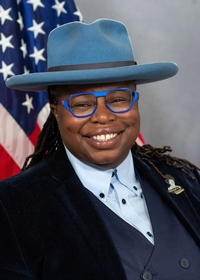
Rep. La'Tasha Mayes
Sponsored bills
Maddy summaryThis resolution designates April 2025 as "Community College Month" in Pennsylvania to recognize community colleges' role in the state's education and economy. It highlights that community colleges serve over 240,000 students - many from low-income or minority backgrounds - provide affordable pathways to degrees, and partner with over 2,000 employers to train workers for high-demand jobs like nursing and truck driving. The designation is ceremonial and does not create new laws or funding.
Maddy summaryHR 34 is a symbolic resolution designating April 2025 as "Pennsylvania 8-1-1 Safe Digging Month." It encourages excavators and homeowners to call 8-1-1 (or 1-800-242-1776) before digging to locate underground utility lines, as required by Pennsylvania's One Call Act. The resolution highlights the Pennsylvania One Call System's role in preventing injuries, environmental damage, and utility disruptions, noting it handles over 1 million annual requests. It does not create new laws or funding but promotes existing safety practices through public awareness.
Maddy summaryThis House Resolution designates May 2025 as "Nurses Month" in Pennsylvania to honor the contributions of nurses across the state. It highlights nurses' critical roles during the pandemic, their daily patient care responsibilities, and their impact on community health without creating new legal requirements or funding. The resolution serves as a symbolic gesture of appreciation for the nursing profession, which includes registered nurses, licensed practical nurses, and other specialized roles.
Maddy summaryHB 1288 requires Pennsylvania public schools to provide foreign language instruction for all students in kindergarten through grade twelve starting in the 2026-2027 school year. The state Department of Education must develop a toolkit and curriculum guidelines for teaching foreign languages by that time. School districts will then create their own foreign language programs using this state-developed resource, with flexibility to choose a language that aligns with their community's demographics.
Maddy summaryHB 502 establishes the Reliable Energy Siting and Electric Transition Board within the Pennsylvania Department of Environmental Protection. This board is tasked with creating a statewide process for siting large-scale electric generation and energy storage facilities (25+ megawatts for generators, 10+ megawatts for storage). Companies proposing such facilities can seek a "certificate of reliable energy supply" from the board. This certificate aims to ensure efficient development of new energy resources while protecting human health, safety, and the environment. The board comprises representatives from state agencies, labor, and industry, and has the authority to approve or deny applications for these certificates.
Maddy summaryHB 503 establishes the Pennsylvania Climate Emissions Reduction (PACER) Program, creating a state-run "cap-and-invest" system to reduce carbon dioxide emissions from the power sector. The program requires the Department of Environmental Protection to conduct Pennsylvania-run auctions for CO2 allowances, with specific rules for eligible participants, such as electricity generators and financial institutions. Revenue from these auctions will be directed into several designated accounts, including those for consumer protection, energy transformation, workforce enhancement, and low-income support. Upon the program's establishment, Pennsylvania would cease participation in other carbon auction programs related to the electric generation sector.
Maddy summaryThis resolution (HR 33) designates April 2025 as "Limb Loss Awareness Month" in Pennsylvania. It does not create new laws or funding but formally recognizes the challenges faced by people with limb loss, including emotional, physical, and financial impacts. The resolution encourages Pennsylvanians to acknowledge this month, celebrate individuals living with limb loss, thank caregivers, and honor military amputees. It directly affects the public by promoting awareness of a condition impacting over 2 million Americans, as noted in the resolution's supporting facts.
Maddy summaryHB 1279 requires Pennsylvania colleges and universities, as well as private licensed schools, to implement evidence-based education programs on sexual misconduct (including consent, bystander intervention, and risk prevention) for all students and staff. The bill mandates staff training, establishes confidential resource advisors for victims, and requires institutions to create online reporting systems and conduct annual climate surveys. It also sets data reporting requirements for schools to track incidents, creates a Task Force on Postsecondary Sexual Misconduct, and provides academic waivers for student victims to avoid penalties related to incidents. These provisions aim to standardize prevention, response, and support across institutions.
Maddy summaryHB 1229 amends Pennsylvania's 1931 Barbers' License Law to add citizenship and residency requirements for members of the State Board of Barber Examiners. Specifically, it requires that all six professional barber board members must be U.S. citizens and Pennsylvania residents, in addition to already needing to be registered barbers with five years of practice. This change affects the composition of the board that oversees barber licensing and regulation, not the licensing process itself. The bill is a minor procedural update to board membership qualifications and has not yet been enacted.