

Maddy summaryHB 615 expands legal protection for individuals and organizations donating food to charities by strengthening the existing Donated Food Limited Liability Act. It directly affects food donors (like grocery stores, farms, and businesses) and food banks/receiving organizations by shielding them from liability claims if donated food causes harm - unless the donor acted with gross negligence. The key provision clarifies that donors cannot be sued for injuries related to donated food, provided they followed safety standards. This policy change aims to encourage more food donations by reducing legal risks for donors.
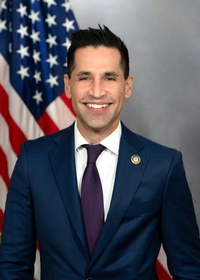
Rep. Tarik Khan
Sponsored bills
Maddy summaryHB 261 amends Pennsylvania's 1921 Insurance Company Law to update coverage rules for dependents and clarify community health definitions. It requires insurers to continue health coverage for unmarried children with intellectual or physical disabilities (who became disabled before age 19 and remain dependent) past age 19, provided policyholders submit proof within 31 days of the child's 19th birthday. The bill also revises "community health reinvestment activity" to explicitly include programs for preventing/treating intellectual disabilities and mental health services. These changes apply to policies issued after January 1, 1968, affecting insurers, employers offering group plans, and policyholders with disabled dependents. The law took effect immediately upon signing in June 2025.
Maddy summaryHB 992 amends Pennsylvania's state laws governing the Fish and Boat Commission to update the composition of the Boating Advisory Board. The bill adds specific member categories, including representatives from commercial boating businesses and recreational boating organizations, to the existing board structure. This change directly affects the Boating Advisory Board by expanding its membership to include these new stakeholder perspectives. The bill does not alter fishing regulations or fees but focuses on how the advisory board is formed and who serves on it.
Maddy summaryHB 1100 amends Pennsylvania's Human Services Code to allow public assistance recipients to use their benefits to purchase diapers and menstrual hygiene products through a new waiver program. This directly affects low-income individuals and families enrolled in public assistance programs who currently cannot use their benefits for these essential items. The key provision adds diapers and menstrual hygiene products to the list of eligible purchases under an administrative waiver, changing the existing code to expand access to basic necessities. The bill does not change benefit amounts or eligibility criteria but creates a new pathway for purchasing specific hygiene products. It passed the legislature in June 2025 and was referred to the Health & Human Services committee for implementation.
Maddy summaryHB 593 amends Pennsylvania's vehicle laws to clarify procedures for handling abandoned vehicles and cargo. It requires authorities to provide specific notice to vehicle owners and lienholders before disposing of unclaimed vehicles, and authorizes disposal of vehicles not claimed within a set timeframe. The bill also establishes standardized processing rules for vehicles deemed nonrepairable or salvage, ensuring consistent handling. These changes directly affect vehicle owners, lienholders, and local authorities managing abandoned property. The law aims to streamline disposal while ensuring proper notification and documentation.
Maddy summaryHB 1650 establishes Pennsylvania's Home Preservation Grant Program, administered by the Department of Community and Economic Development. It provides grants to local governments (counties, cities, townships) to fund repairs and improvements on existing owner-occupied homes, targeting households earning 80-120% of the area median income. Grants can cover up to $50,000 per unit for habitability fixes, energy/water efficiency upgrades, or accessibility modifications, with local governments allowed to use up to 10% of funds for administration. Applications must demonstrate experience in housing rehabilitation and include plans for using funds per the bill's requirements, with priority given to projects leveraging additional funding sources.
Maddy summaryHB 378 amends Pennsylvania's child custody laws by adding new factors judges must consider when determining custody arrangements. The bill explicitly requires courts to weigh specific elements, such as the child's adjustment to home, school, and community, alongside existing considerations. This change directly affects judges presiding over custody cases and parents involved in those proceedings. The law became effective immediately upon the governor's approval on June 30, 2025 (Act No. 11 of 2025).
Maddy summaryHB 304 amends Pennsylvania's military affairs statutes (Title 51) to add specific provisions for veterans who served in the Korean War. The bill directly affects Korean War veterans by formally including them under state military affairs codes, ensuring they are covered by relevant statutes. It updates existing law through a new statutory provision within Title 51, creating a clear legal framework for their recognition or benefits. The bill was enacted as Act No. 10 of 2025 on June 30, 2025.
Maddy summaryHB 211 amends the 1996 Medical Foods Insurance Coverage Act to clarify and update the policy statement regarding insurance coverage for medical foods. It does not change coverage requirements but refines the legislative declaration of policy for insurers. This procedural amendment affects health insurance providers and patients relying on medical food coverage under existing law. The bill was enacted as Act No. 8 of 2025 after passing both chambers and receiving gubernatorial approval.
Maddy summaryHB 1338 allocates funding from the Philadelphia Taxicab and Limousine Regulatory Fund to the Philadelphia Parking Authority for the fiscal year July 1, 2025, to June 30, 2026. This provides dedicated financial support to the Parking Authority using revenue generated by the taxicab and limousine industry. The bill is a routine budget allocation, not a policy change, and was signed into law on June 27, 2025.