

Maddy summaryHB 505 proposes restructuring how electricity companies operate in Pennsylvania by amending the state's public utilities code. It requires electric utilities to implement new energy efficiency and conservation programs for customers, directly affecting both utility companies and residential/commercial electricity users. Key provisions include mandating specific energy-saving measures and updating how utility programs are funded and administered. The bill aims to modernize the electric industry framework while expanding access to efficiency resources for consumers.
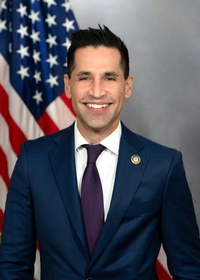
Rep. Tarik Khan
Sponsored bills
Maddy summaryHB 467 amends Pennsylvania's Liquor Code to update definitions, sales rules for licensed businesses, and restrictions on purchases and sales by retail dispensers. It specifically affects liquor licensees, beer and wine retailers, and breweries by clarifying regulations around alcohol sales, purchase limits, and brewery operations. The bill modifies existing provisions without creating new categories of licenses or fundamentally changing the licensing structure. It focuses on refining administrative and operational rules within the current liquor code framework.
Maddy summaryHB 150 proposes changes to Pennsylvania's sentencing laws by removing outdated rules about transferring inmates requiring medical care and creating a new process for judges to modify prison terms when an individual's illness prevents them from serving their full sentence. The bill directly affects people incarcerated in Pennsylvania who develop serious medical conditions during their sentence. Key provisions include ending the current transfer system for medical cases and establishing a clear procedure for courts to adjust sentences based on documented health issues. This would allow judges to shorten sentences for health-related reasons without requiring a separate legal process. The bill is currently under review in the Appropriations committee.
Maddy summaryHB 1957 is a proposed constitutional amendment that would add a right to "personal reproductive liberty" to Pennsylvania's state constitution. This would directly affect all Pennsylvanians by guaranteeing legal protection for decisions related to reproductive health care, including access to abortion, contraception, and related services. The key mechanism is amending the state constitution to explicitly protect these rights, rather than creating new laws. This is a procedural step requiring voter approval after legislative passage, as constitutional amendments in Pennsylvania must be ratified by voters.
Maddy summaryHB 1768 establishes four new grant programs to support Pennsylvania's local food system. It provides incentives for schools and institutions to purchase local food (Local Food Purchasing Incentive Grant), offers financial assistance to farmers for production improvements (Keystone Producer Grant), supports food distribution networks (Keystone Assistance Grant), and funds school meal programs sourcing from local farms (Keystone Fresh Farm to School Account). The Department of Agriculture and Department of Education would administer these programs and manage the grant allocations. The bill directly affects Pennsylvania farmers, schools, food distributors, and local food businesses by creating new funding mechanisms to strengthen regional food systems.
Maddy summaryHB 1881 updates Pennsylvania's Pharmacy Act to modernize requirements for pharmacy technicians and trainees, including new registration qualifications and supervision rules by licensed pharmacists. It adds specific protocols for pharmacies administering injectable medications, biologicals (like vaccines), and immunizations, while requiring detailed reports on vaccine administration. The bill also establishes new standards for clinical laboratory certificates and repeals outdated sections of the original 1961 law. These changes directly affect pharmacies, pharmacy technicians, trainees, and pharmacists who oversee vaccine and medication administration.
Maddy summaryHB 1663 establishes Pennsylvania's Statewide Imagination Library Program under the Public School Code of 1949, creating a dedicated funding account managed by the Department of Education. The bill directly affects Pennsylvania children, particularly those from birth through age five, by providing free books through the program. Key provisions require the Department of Education to administer the program and manage the Imagination Library of Pennsylvania Restricted Account for funding. The bill is currently under review in the Children & Youth committee after being removed from the legislative table in November 2025.
Maddy summaryHB 1425 amends Pennsylvania's 1971 Tax Reform Code to update taxes on tobacco products and establish a new online directory for electronic nicotine delivery systems (e.g., e-cigarettes). It directly affects tobacco manufacturers, dealers, and e-liquid producers by changing tax rates and requiring manufacturers to submit product information to the new directory. The bill's key provisions include adjusting tax incidence and rates for traditional tobacco products while creating a mandatory, publicly accessible registry for e-liquid products. These changes aim to modernize tax collection and improve product transparency for regulatory oversight.
Maddy summaryHB 274 amends Pennsylvania's 1936 Unemployment Compensation Law to change eligibility rules for workers seeking benefits. It specifically expands eligibility for individuals fleeing domestic violence by removing barriers to claiming compensation in such cases. The bill also modifies how unemployment compensation rates and benefit amounts are calculated. These changes directly affect unemployed workers in Pennsylvania who qualify under the updated rules. The bill is currently pending in committee after recent amendments.
Maddy summaryThis bill is a ceremonial resolution designating November 16, 2025, as "Philadelphia Orchestra Day" in Pennsylvania. It honors the orchestra's 125th anniversary and historical significance as a cultural institution, recognizing its contributions to music and community. The resolution has no legal effect or policy changes - it is purely symbolic recognition with no direct impact on residents or funding.