

Maddy summaryHB 1923 establishes new workplace safety requirements for meat packing and food processing facilities by mandating facility health and safety committees. It creates a dedicated workers' rights coordinator position within the Department of Labor and Industry to oversee compliance and address concerns. The bill also adds specific public health emergency protections for workers during outbreaks or crises, requiring employers to follow state health guidelines. These changes directly affect workers and employers in the meat and food processing industry across the state.
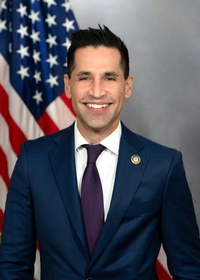
Rep. Tarik Khan
Sponsored bills
Maddy summaryHB 886 requires Pennsylvania correctional institutions to provide prerelease briefings to inmates who are veterans, specifically informing them about available veterans' benefits. This bill directly affects incarcerated veterans transitioning back into civilian life by ensuring they receive information about benefits they may qualify for. The key provision mandates that these briefings be part of the general administration process for correctional facilities under Title 61 of the Pennsylvania Consolidated Statutes. The bill focuses on improving access to benefits information as part of reentry support, without altering eligibility or benefit amounts.
Maddy summaryHB 144 amends Pennsylvania's juvenile justice laws to adjust the process for "informal adjustment" in court cases involving minors. It directly affects youth and families involved in juvenile court by changing how cases can be resolved without formal court proceedings. The bill modifies specific provisions related to informal adjustment procedures within juvenile matters, while also making minor editorial corrections to the statute. This is a procedural change focused on streamlining court handling of certain juvenile cases, not a major policy shift.
Maddy summaryHB 1936 amends Pennsylvania's juvenile justice laws to change procedures for handling cases involving minors. It specifies when courts must hold hearings before releasing or committing a juvenile, alters where juveniles can be placed for treatment or supervision, and adds requirements for reviewing dispositions (how cases are resolved) after commitment. The bill directly affects juveniles charged with offenses, their families, and juvenile court judges and probation officers who manage these cases. Key changes include setting clearer timelines for hearings, limiting where juveniles can be committed (e.g., away from home), and mandating periodic reviews of their case plans. These provisions aim to standardize court processes while prioritizing youth safety and appropriate supervision.
Maddy summaryThis bill prohibits Pennsylvania State Police from stopping, detaining, or questioning individuals based solely on immigration status, except when necessary for unrelated criminal investigations. It bans prolonging detention due to immigration status or conducting immigration checks without a prior criminal arrest. Police must share immigration detainer information with federal authorities only if discovered during lawful detention for unrelated matters. The law directly affects all individuals interacting with Pennsylvania State Police, limiting state involvement in federal immigration enforcement.
Maddy summaryHB 2199 requires Pennsylvania public schools to adopt or update anti-bullying policies specifically addressing gender-based bullying starting in the 2026-2027 school year. The policy must prohibit bullying based on a student's actual or perceived sex, sexual orientation, gender identity, or gender expression, and include specific protections for transgender and nonbinary students during gender transitions. Schools must incorporate the policy into student conduct codes, distribute it in handbooks and classrooms, post it prominently, and review it annually with students. The bill also mandates that schools report bullying prevention efforts to the Department of Education annually. This directly affects all Pennsylvania public school students, particularly LGBTQ+ youth, by requiring schools to address gender-based bullying through defined policies and support systems.
Maddy summaryHR 389 is a symbolic resolution designating February 2026 as "Senior Independence Month" in Pennsylvania. It does not create new laws or programs but formally recognizes older adults' contributions and promotes community engagement through existing initiatives. The resolution urges all Pennsylvanians to honor seniors' achievements and support programs that foster independence, health, and social connection. This is a commemorative measure with no direct policy changes or financial impact.
Maddy summaryThis resolution designates February 19, 2026, as "Wear Purple Day" in Pennsylvania to raise awareness about sudden cardiac arrest in youth. It encourages residents, schools, and communities to wear purple in remembrance of children lost to cardiac events and in support of heart health initiatives like free screenings and AED access. The resolution has no binding policy changes - it is a symbolic observance honoring Peyton Walker's legacy and promoting prevention education.
Maddy summaryThis resolution designates January 1, 2026, as "Haitian Independence Day" in Pennsylvania. It formally recognizes Haiti's 1804 independence from colonial rule and honors the Haitian Revolution's historical significance, including its impact on Black resistance movements in Pennsylvania. The resolution directly acknowledges Pennsylvania's Haitian community, which numbers over 27,000 residents, and commemorates the legacy of Haiti as the world's first Black Republic. As a symbolic gesture, it does not create new laws or policies.
Maddy summaryThe context provided does not include sufficient details about HB 331's specific provisions, who it affects, or its key mechanisms. The bill title mentions amending judicial statutes regarding "surcharge" for facilities and supplies, but no concrete policy changes, affected parties, or operational details are described in the available information. Without the full text or explanatory summaries of the bill, a factual summary cannot be accurately generated. Procedural actions (like being "laid on the table") do not describe the bill's content.