

Maddy summaryHB 1834 requires commercial data centers in Pennsylvania to pay fees to the state. These fees fund a new Data Center LIHEAP Enhancement Fund, which boosts assistance for low-income households struggling with energy costs. The bill also mandates that data centers meet specific renewable energy targets and allows them to recover certain operational costs through regulated rates. The Pennsylvania Public Utility Commission (PUC) and Department of Human Services are tasked with implementing these requirements and managing the fund.
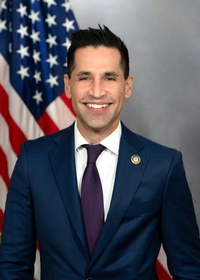
Rep. Tarik Khan
Sponsored bills
Maddy summaryThis bill amends Pennsylvania's Election Code to change the deadline for receiving absentee and mail-in ballots from election day to the seventh day following the election. It allows voters who declare under penalty of perjury that their ballot was timely submitted to have their ballots counted even if they lack a postmark or have an unreadable one. The changes apply to both traditional absentee voters and new mail-in voters, ensuring ballots received by the extended deadline are processed and counted. The legislation would take effect 60 days after passage.
Maddy summaryThis bill is a House Resolution that designates May 8, 2026, as Child Care Provider Appreciation Day in Pennsylvania to honor the work of child care providers. The resolution does not create new laws or change any policies; it is a symbolic gesture to recognize and thank caregivers, teachers, nannies, and daycare workers who support children and families. The bill is sponsored by multiple representatives and referred to the Committee on Children and Youth for consideration. It aligns with a national tradition of celebrating child care workers annually in May.
Maddy summaryHB 802 amends Pennsylvania's Right-to-Know Law to add two new exceptions for public records: (1) notes and working papers used solely for personal purposes (like telephone message slips or routing slips with no official purpose) and (2) records disclosing the identity of a claimant or victim in a settlement of a sexual harassment or assault case. The bill clarifies that these exceptions do not apply to financial records, meaning agencies must still release financial records but may redact the specific protected portions. This change affects how public agencies handle record requests, particularly for personal employee materials and sensitive victim information. The bill takes effect 60 days after enactment.
Maddy summaryHB 1191 strengthens railroad safety in Pennsylvania by prohibiting railroads from blocking highway crossings for more than five minutes (with $10,000 penalties), limiting freight train lengths to 8,500 feet, and requiring two-person crews for freight trains (with limited exceptions for smaller railroads). The bill authorizes union representatives to monitor safety practices and operations, mandates functional wayside detector systems on higher-risk tracks, and creates a reporting system for hazardous materials transportation. It directly affects all railroads operating in Pennsylvania, including their safety protocols, staffing, and infrastructure maintenance. Penalties for violations range from $1,000 to $25,000 for crew-related breaches, with enforcement handled by the Public Utility Commission.
Maddy summaryHB 1260 would allow businesses owning warehouses or distribution centers to install solar energy systems by providing tax exemptions for "solar-ready" projects. It directly affects commercial property owners in the state by reducing their tax burden for qualifying solar installations. Key provisions include authorizing special tax breaks, requiring the Department of Environmental Protection to establish guidelines for these projects, and imposing fines for non-compliance with solar-ready construction standards. The bill aims to incentivize renewable energy adoption in large commercial facilities through concrete tax policy changes.
Maddy summaryThis joint resolution proposes a constitutional amendment in Pennsylvania regarding exemptions and special provisions, but the specific exemptions or provisions it would change are not detailed in the provided information. As a constitutional amendment, it would require approval by the state legislature and potentially a statewide vote, affecting Pennsylvania's constitutional framework. The bill is currently active (removed from the table on 2025-11-19) but remains in early procedural stages with no substantive content described. Since it is a procedural constitutional proposal without defined policy changes in the context, a detailed summary of its impact cannot be provided.
Maddy summaryThis bill would repeal Pennsylvania laws that require relatives to financially support indigent family members, including spouses, children, and parents. The change would remove the legal obligation for these relatives to provide financial assistance regardless of their own financial situation. By eliminating these provisions, the bill aims to reduce the financial burden on family members who might otherwise be held liable for supporting indigent relatives. The repeal would take effect 60 days after the bill is enacted.
Maddy summaryThis bill updates Pennsylvania's military educational assistance program by clarifying eligibility requirements and service obligations for National Guard and reserve component members. It establishes that eligible members must sign a promissory note agreeing to repay grant funds if they fail to complete their required service commitment, which ranges from six years for National Guard members to eight years for federal reserve members. The legislation also allows for successive grant certificates upon completing initial obligations and permits members who receive other-than-dishonorable discharges to retain a proportional share of earned benefits if they meet specific conditions. These changes apply to members of the Pennsylvania National Guard and reserve components of the U.S. Armed Forces seeking educational assistance through the state program.
Maddy summaryThis Pennsylvania House Resolution asks the U.S. Congress to create a law that ensures Transportation Security Officers receive their pay even during a federal government shutdown. The measure highlights that these airport security workers are currently working without pay, leading to increased wait times and staffing issues at airports across the country. It urges lawmakers to address this funding gap immediately and to establish a system that prevents similar situations from happening in the future. The resolution does not directly change federal law but serves as a formal request from the state legislature to the national government.