

Maddy summaryThis resolution officially designates June 2024 as "National Safety Month" within Pennsylvania to highlight the importance of preventing unintentional injuries and deaths. It encourages residents, businesses, and government entities to participate in safety awareness campaigns and adopt safer behaviors during the summer season, a time when accident rates often rise. The measure does not create new laws or regulations but serves as a formal declaration urging cooperation among all sectors of society to promote public health and safety.
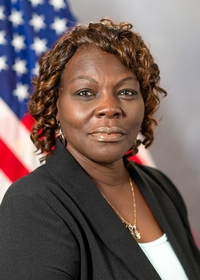
Rep. Roni Green
Sponsored bills
Maddy summaryThis bill designates June 25, 2024, as "World Vitiligo Day" within Pennsylvania to raise awareness about the autoimmune skin condition. It encourages Pennsylvanians to share accurate information about vitiligo, dispel common myths, and show support for those affected by the disease. Additionally, the resolution calls for increased funding for vitiligo research from both state and private sources. The measure also formally acknowledges vitiligo as a serious medical condition that deserves equal recognition with other autoimmune diseases.
Maddy summaryHB 2444 amends Pennsylvania's Local Option Small Games of Chance Act to update definitions and rules for games of chance, specifically allowing for new types of electronic pull-tab systems and games. The bill clarifies what constitutes an electronic pull-tab device and game, explicitly prohibiting them from simulating casino-style games like slots or blackjack, while also defining other game formats such as event games and progressive pull-tab games. It establishes new prize limits, setting a general maximum of $10,000 per individual prize and a separate limit of $20,000 for jackpots in progressive or subset pull-tab games. Additionally, the legislation introduces stricter regulations on distributor licenses and manufacturer registration, requires licensed organizations to undergo audits by the Auditor General, and outlines penalties for license revocation.
Maddy summaryThis bill creates a new Right to Counsel Program within Pennsylvania's Department of Human Services to provide free legal representation to low-income tenants facing eviction or housing discrimination. The program will fund designated nonprofit organizations to offer direct legal services to eligible individuals, defined as renters earning less than 200% of the federal poverty level or those receiving medical assistance. Additionally, the legislation establishes a Tenant Right to Counsel Task Force to oversee the initiative and report on its progress.
Maddy summaryThis bill requires ride-share drivers in Pennsylvania to display specific identification markers on their vehicles while they are active on the platform or providing a ride. Drivers must show a company placard on the windshield and rear windows, along with a unique barcode and a credential card featuring their photo and license plate number on the rear side windows. These markers must be clearly visible during the day and illuminated at night, and drivers are responsible for returning them within 30 days of quitting. The Department of Transportation is tasked with creating a uniform template for these identification items, which companies must then issue to their drivers. Failure to comply with these new display and record-keeping rules could result in fines imposed by the state commission.
Maddy summaryThis bill designates April 2024 as "National Volunteer Month" within Pennsylvania to honor the contributions of volunteers. It highlights the benefits of volunteering, such as job assistance, skill development, and improved community resilience, without creating new laws or funding. The resolution serves as a formal recognition and encourages residents to participate in community service efforts during the specified month.
Maddy summaryThis Pennsylvania House Resolution designates the week of June 17 through 21, 2024, as "Apprenticeship Week" to highlight the importance of registered apprenticeship programs. The measure serves as a commemorative gesture recognizing the history and benefits of these training initiatives, which provide workers with on-the-job learning and mentorship while helping employers build a skilled workforce. By officially setting aside this specific time frame, the resolution aims to raise public awareness about apprenticeships as a pathway to high-paying jobs and career development.
Maddy summaryThis bill designates the week of June 24 through 28, 2024, as "Union Organizing Week" in Pennsylvania to honor workers who advocate for their right to organize. The resolution includes language acknowledging the contributions of union negotiators and diverse workers, including veterans, to the state's economy and communities. It also expresses the view that employers and unions should collaborate for mutual success and recognizes the dedication of those seeking fair treatment at the workplace.
Maddy summaryThis bill amends Pennsylvania laws to clarify the Pennsylvania Gaming Control Board's authority over slot machine counts at licensed casinos. It specifically allows a board employee to approve requests to reduce the number of slot machines, provided the reduction does not exceed 2% of the facility's total machines. The legislation also updates the minimum number of slot machines required to be operational, setting the floor at 1,500 for Category 1 and 2 facilities and 250 for Category 3 facilities. These changes directly affect casino operators and the state's gaming regulatory body by defining the limits for adjusting gaming equipment.
Maddy summaryThis bill directs the Pennsylvania Human Services department to update its licensing rules within 60 days to include assisted living and supplemental health care services under the state's Community HealthChoices program. Specifically, it requires the department to submit necessary paperwork to the federal Centers for Medicare and Medicaid Services so that licensed assisted living facilities can be certified as medical assistance providers for these services. The legislation affects assisted living residences and the state health department by formally integrating these facilities into the existing healthcare coverage system.