

Maddy summaryHB 1072 modifies two existing laws: it updates the Taxpayer Relief Act to clarify eligibility and application processes for senior citizens' property tax and rent rebate programs, directly affecting seniors who qualify for these benefits. It also amends the State Lottery Law to specify how lottery revenue funds are allocated and managed. The bill makes concrete changes to how rebate claims are filed and paid under the senior assistance program, while adjusting the disposition of lottery funds. These amendments aim to streamline administration without creating new programs or altering benefit amounts.
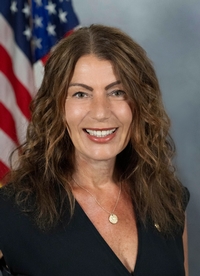
Rep. Tarah Probst
Sponsored bills
Maddy summaryHB 1569 establishes a Maternal Health Monitoring Pilot Program within Pennsylvania's health and safety statutes. The program would temporarily test new approaches to tracking maternal health outcomes, directly affecting pregnant individuals and healthcare providers in participating communities. Key provisions include creating a structured data collection system to monitor maternal health metrics during pregnancy and postpartum, with the goal of identifying gaps in care. The pilot is designed to run for a limited time to evaluate effectiveness before potential broader implementation.
Maddy summaryHB 1089 restricts the sale and application of sealants containing high levels of polycyclic aromatic hydrocarbons (PAHs), harmful chemicals linked to health and environmental risks, primarily affecting manufacturers, contractors, and businesses selling these products. It establishes a Safer Sealant Fund to support the development of safer alternatives, requires the Department of Environmental Protection to enforce compliance, and allows municipalities to adopt stricter local rules. Violations of the restrictions incur penalties, with the bill aiming to reduce exposure to PAHs through regulatory and financial mechanisms.
Maddy summaryHB 1500 establishes a Cyber Charter School Funding and Policy Council to develop recommendations on funding, governance, and accountability for cyber charter schools by April 2026. The bill requires public school entities to report advertising and sponsorship spending annually, and mandates detailed cost-tracking for special education services based on individualized student plans. It also adds provisions for student wellness checks, enrollment notifications, and fund balance limits for cyber charter schools, while maintaining a moratorium on new cyber charter school approvals. The law directly affects cyber charter schools, public school districts, and students with disabilities in Pennsylvania.
Maddy summaryHB 1415 amends Pennsylvania's Safe Drinking Water Act (1984) to modify the powers and duties of the Environmental Quality Board. The bill's specific policy changes or direct impacts on communities, utilities, or regulations are not described in the provided context. Committee referrals (Veterans Affairs, Environmental Protection) indicate its focus but do not reveal the bill's concrete provisions. Without details on the amendments, a substantive summary of its mechanisms or affected parties cannot be provided. This bill appears to be a procedural or administrative update to the board's authority, but the context lacks the necessary policy specifics.
Maddy summaryThis resolution designates May 2025 as "Melanoma Awareness Month" in Pennsylvania to encourage community education and prevention efforts related to skin cancer. It has no funding or regulatory requirements and does not directly affect specific individuals or organizations, serving only as a symbolic designation to promote public health awareness.
Maddy summaryHB 1547 bans single-use plastic bags at retail stores in Pennsylvania, requiring them to offer recycled paper bags for a 10- to 25-cent fee instead. It directly affects stores like supermarkets, convenience stores, restaurants, and farmers' markets, with exemptions for bags used with perishable foods, pharmacy medications, or dry cleaning. Retailers must post clear signs explaining the change until January 2027 and keep all fees collected from bag sales. The Department of Community and Economic Development must create educational materials and regulations to support the policy.
Maddy summaryThis is a commemorative resolution (not a policy bill) designating June 22-28, 2025, as "Women Firefighters and EMS Workers Week" in Pennsylvania. It symbolically recognizes women’s contributions to firefighting and emergency medical services, highlighting their historical roles, current workforce participation (9% of firefighters, 31% of EMS workers nationally), and ongoing efforts to address barriers in these fields. The resolution has no binding policy changes or funding; it solely serves to honor these professionals through a designated week of recognition. It was referred to the Veterans Affairs & Emergency Preparedness committee on June 3, 2025.
Maddy summaryHB 960 creates a process for commercial drivers in Pennsylvania with lifetime disqualification to potentially regain their licenses after meeting specific requirements. To apply, drivers must complete a state-approved rehabilitation program (if disqualified for DUI/DWI), finish a driver improvement course, pay fees, provide proof of citizenship or residency, and wait at least 10 years since their disqualification. The bill also lists serious offenses - like drug trafficking, causing fatalities, or multiple DUIs - that permanently block reinstatement. Pennsylvania’s Department of Transportation will review applications within 30 days, with eligibility strictly tied to avoiding recent violations of traffic or safety laws.
Maddy summaryHB 1096 creates the Pennsylvania Food Bucks Program, which provides financial assistance to low-income residents for purchasing fresh fruits and vegetables at participating retailers. The bill establishes a dedicated "Pennsylvania Food Bucks Program Account" within the state treasury to fund the program and requires the state to conduct research on the program's effectiveness. It directly affects eligible low-income Pennsylvanians and participating farmers and retailers by expanding access to healthy food options. The law, which passed on June 3, 2025, focuses on concrete policy changes: creating the program structure, securing funding through the new account, and mandating program evaluation.