

Maddy summaryHB 1887 creates a new Safe Communities Grant Program and a dedicated fund under Pennsylvania law to support community safety initiatives. The bill establishes the program within Title 35 (Health and Safety) statutes and assigns responsibilities to the Pennsylvania Commission on Crime and Delinquency (PCCD) for administering the grants. Local governments, community organizations, or other eligible entities would directly receive funding through this program to address specific safety needs. The key mechanism is the creation of a state-administered grant program with dedicated funding, rather than changing existing laws or policies. The bill is currently in the Judiciary committee for review.
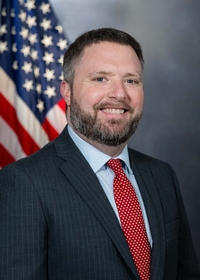
Rep. Ben Waxman
Sponsored bills
Maddy summaryHB 1880 amends Pennsylvania's criminal code to clarify the offense of impersonating a public servant and to create a specific exception for federal immigration officials. The bill states that federal immigration officials do not commit a crime under Pennsylvania law when concealing their identity while performing official immigration enforcement duties. This provision prevents state laws on impersonation and disorderly conduct from being applied to federal officials during such activities. The bill also adds further detail to the impersonation statute to make it clearer for law enforcement.
Maddy summaryThis bill is a symbolic resolution designating July 2025 as "Disability Pride Month" in Pennsylvania. It does not create new laws or requirements but formally recognizes the month to honor the history and achievements of the disability community and commemorate the 35th anniversary of the Americans with Disabilities Act (ADA). The resolution aims to reduce stigma and promote inclusivity by highlighting the contributions of Pennsylvanians with disabilities, as noted in the bill's references to statewide disability statistics. As a ceremonial resolution, it has no legal effect beyond official recognition and does not directly impact specific groups or services.
Maddy summaryHB 1868 amends Pennsylvania laws governing transportation network services (like ride-hailing apps) and highway funding. It sets rules for the rates these companies charge riders and how they compensate drivers. The bill also changes how taxes collected for highway maintenance and construction are allocated to local road projects. This directly affects transportation network companies, drivers, and local governments managing road infrastructure. The legislation aims to clarify operational standards and funding distribution within the state's transportation framework.
Maddy summaryThe context provided does not include sufficient details about HB 1864's specific provisions, mechanisms, or affected parties to create a factual summary. The bill's title mentions amending the Public School Code regarding "enrollee wellness checks" in charter schools, but no description of what these checks entail, who conducts them, or how they would change current practices is given. Without additional information on the policy changes, the bill cannot be summarized as required. A proper summary would need details about the wellness check requirements, implementation, or scope, which are not present in the provided context.
Maddy summaryHB 1863 would create a new public health insurance plan, called the Public Option, available to state residents as an alternative to private insurance. It establishes a dedicated Public Option Program Fund to support the plan and requires the Insurance Department to administer the program, including setting up enrollment and oversight. Health insurers would be obligated to participate in the Public Option Program. This bill directly affects residents seeking health coverage and insurers operating in the state.
Maddy summaryThis resolution designates the week of September 21-28, 2025, as "Frontotemporal Degeneration Awareness Week" in Pennsylvania. It directly affects Pennsylvanians by officially recognizing this week to raise public awareness about frontotemporal degeneration, a neurological condition. The key mechanism is a formal designation by the Pennsylvania legislature, urging state agencies and communities to promote education and support for those impacted. As a procedural resolution, it does not create new laws or funding but aims to highlight this health issue.
Maddy summaryHR 99 directs Pennsylvania's Joint State Government Commission to create a bipartisan task force to study the state's criminal justice codes. The task force will examine the Crimes Code, Judicial Code, Sentencing Code, and related statutes to identify redundant offenses, inconsistent sentencing grades, outdated language, and gaps in criminal liability. It will focus on provisions that impose imprisonment or collateral consequences, aiming to recommend updates to modernize the codes. The task force must report findings and recommendations to the legislature within two years. This is a procedural resolution, not a law changing penalties.
Maddy summaryHB 1562 repeals an outdated Pennsylvania law that previously classified fortune telling as a crime under the "sports and amusements" section of Title 18 (Crimes and Offenses). This bill removes a specific provision from the state code that no longer has practical application, as fortune telling is not enforced as a criminal offense. The bill directly affects no specific individuals or groups, as it eliminates an obsolete legal reference. This is a procedural amendment to modernize the statute, not a new policy affecting public conduct or services.
Maddy summaryHB 999 proposes creating a commemorative bell monument on the State Capitol grounds to mark Pennsylvania's role in the U.S. founding and celebrate the 250th anniversary of the nation's creation. The bill directly affects the State Capitol landscape and honors Pennsylvania's historical contributions to the nation's founding. It is a ceremonial measure with no policy changes or funding mechanisms, solely focused on designating a physical monument for public commemoration.