

Maddy summaryHB 1019 requires that all new construction or major repairs of natural gas gathering lines in Pennsylvania use steel products manufactured in the United States. This law directly affects construction companies and utility providers working on these specific pipelines, which transport natural gas from production sites to larger transmission systems. The requirement applies only to projects starting 60 days after the bill takes effect, not existing infrastructure. It amends Pennsylvania’s Underground Utility Line Protection Law to mandate U.S.-produced steel for steel components in these pipeline projects.
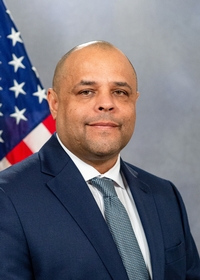
Rep. José Giral
Sponsored bills
Maddy summaryHB 1017 amends Pennsylvania procurement law to give a 2% price preference to bids for American-made supplies, services, or construction. It directly affects all state government agencies and school entities (including public schools, charter schools, and school districts) when they award contracts. The bill requires agencies to subtract 2% from bids for items meeting the "American-made" definition (where at least 75% of material costs originate in the U.S.) and award contracts based on this adjusted price. Agencies must also verify this qualification with documentation before applying the preference. The law takes effect 60 days after enactment.
Maddy summaryThis bill amends Pennsylvania's Minimum Wage Act to establish new salary thresholds for employees classified as exempt in executive, administrative, or professional roles, affecting employers and workers in these positions. It defines "executive capacity" as requiring management duties, directing two or more employees, and having hiring/firing authority, with a minimum weekly salary starting at $844 (effective October 2027), rising to $1,128 by 2029, and then adjusting every three years based on Pennsylvania's 10th percentile wage for exempt workers. Employers may meet up to 10% of the salary requirement through nondiscretionary bonuses, incentives, or commissions paid annually. The bill does not alter minimum wage rates for non-exempt workers but clarifies exemption criteria for specific job classifications.
Maddy summaryHB 1022 amends Pennsylvania's Human Services Code to clarify when licensed facilities (like childcare centers or care homes) can face license refusal, revocation, or penalties. It adds specific new violations that trigger these actions, including repeated breaches of children's rights, improper use of restraints, or failures in staff background checks and training. The bill also expands penalties to allow fines against facilities and mandates disciplinary action against staff responsible for violations. Facilities must receive written notice explaining the reason for any license denial, revocation, or penalty. The changes take effect 60 days after enactment.
Maddy summaryHB 1021 replaces Pennsylvania's current requirement for separate rooms for juvenile offenders awaiting trial with a new system mandating counties to provide dedicated rooms or buildings exclusively for juvenile confinement, detention, and care. It requires county commissioners to establish a board of managers for each facility, composed of county officials and six private citizens with expertise in juvenile development, mental health, and substance use disorders. The board oversees operations, appoints a superintendent, and reports annually to county officials, while counties fund all expenses through annual appropriations. This bill directly affects all Pennsylvania counties, particularly those previously governed by the repealed provisions for second-class A counties. The law focuses on structural changes to juvenile detention facilities rather than altering sentencing or legal procedures.
Maddy summaryThis bill proposes a constitutional amendment allowing counties (of first and second class) to create special property tax exemptions for longtime owner-occupants in neighborhoods where home values have risen significantly due to renovations or new construction nearby. It would let local governments establish uniform tax rules for these homeowners without increasing overall property tax rates to fund the exemptions. The amendment requires approval by the General Assembly and then a vote by Pennsylvania voters before taking effect.
Maddy summaryHB 1029 amends Pennsylvania's 1937 Labor Relations Act to clarify worker protections and union election processes. It defines "employe" more broadly (excluding independent contractors) and bans agreements that prevent workers from joining class or collective lawsuits. Employers must post notices about labor rights and provide detailed voter lists for union elections within two business days of a board order. The bill also adds new unfair labor practices, including coercing workers to sign agreements that limit their right to pursue collective claims. These changes directly affect Pennsylvania workers, employers, and labor organizations involved in union representation efforts.
Maddy summaryHB 1034 amends Pennsylvania's 1951 Landlord and Tenant Act to clarify utility payment rules for renters. It requires landlords who collect water, sewer, gas, or electricity payments directly from tenants to include a written notice in the lease about this obligation and provide a copy of the utility bill to the tenant within five days of a written request. The bill directly affects residential tenants and landlords in Pennsylvania rental agreements. Key provisions ensure transparency by mandating written notice and timely access to billing information, with the law taking effect 90 days after enactment.
Maddy summaryHB 982 requires that all Pennsylvania vehicle registration cards and driver's license applications include a clear statement about littering laws. The statement explains that littering from vehicles - such as dropping trash on roads, public property, or waterways - is illegal and can result in fines up to $300 or community service for litter pick-up. This applies to every vehicle owner and driver during registration or licensing, ensuring they acknowledge these rules at the point of application. The bill does not change existing littering penalties but mandates this notice to inform applicants about Section 3709 of the Vehicle Code.
Maddy summaryHB 963 creates a new tax credit program in Pennsylvania for employers covering educational expenses of apprentices. It allows employers to claim tax credits for up to $3,500 per qualifying apprentice toward tuition, books, and lab fees at eligible PA schools. To qualify, apprentices must be PA residents, at least 16, enrolled full-time in a U.S. Department of Labor-registered apprenticeship program, and employed by the claiming employer in Pennsylvania. The Department of Revenue administers the program, requiring electronic applications and setting eligibility criteria for schools and apprentices. This policy directly affects PA employers in registered apprenticeship programs and their apprentices pursuing postsecondary training.