

Maddy summaryHB 1303 requires emergency vehicles transporting K-9 units (including police, fire, and search and rescue dogs) to install heat detection devices. These devices must alert operators via horn, sirens, or lights when cabin temperatures become unsafe for the animals and automatically lower two windows at unsafe temperatures. The Pennsylvania Department of Transportation will establish regulations for device types, installation, and temperature thresholds. The bill directly affects all emergency vehicles used by Pennsylvania law enforcement and public safety agencies that transport K-9 officers, aiming to prevent heat-related harm to working dogs.
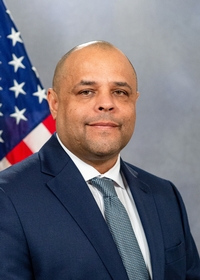
Rep. José Giral
Sponsored bills
Maddy summaryHB 1307 allows homeless minors aged 16 or older who are self-supporting without parental financial or physical support to legally enter contracts for housing, employment, medical care (including domestic violence services), bank accounts, and automobile insurance. It requires parental consent (expressed or implied through actions like barring the minor from home or refusing support) or provider verification that returning home would cause harm. Minors’ consent for these services is binding like an adult’s and cannot be disaffirmed later, with providers protected from liability if they follow the consent procedures. The bill directly affects vulnerable homeless youth in Pennsylvania seeking independent access to essential services.
Maddy summaryHB 1312 updates Pennsylvania's death certificate process to include a nonbinary gender option. It allows individuals to pre-select their gender identity (female, male, or nonbinary) for use on their death certificate, which must be recorded if specified. If no pre-selection is made, the certificate will reflect the decedent's gender based on their official documents (e.g., driver's license, birth certificate, or passport). Family members, spouses, or legal guardians can challenge the gender listed within 10 days by filing a court petition.
Maddy summaryHB 1324 creates a new criminal offense for bullying in Pennsylvania, defined as committing specific crimes (like assault or property damage) with the intent to harass, intimidate, or cause fear. It directly affects individuals who commit these acts with bullying intent, classifying the offense as a misdemeanor (typically third-degree for minor crimes, or one degree higher for more serious offenses). Sentencing enhancements for severe cases are directed to the Pennsylvania Commission on Sentencing. The bill excludes labor disputes and constitutionally protected activities from coverage. The law takes effect 60 days after enactment.
Maddy summaryHB 1321 creates a new "Military Spouse Leave and Employment Protection Act" in Pennsylvania law. It requires employers with 20+ employees to provide up to 14 paid days per year of leave for employees when their spouse is deployed to a combat zone or during a declared emergency, and up to 14 unpaid days for training deployments. The law prohibits employers from retaliating against employees who request this leave and mandates that employers maintain an employee's position, title, and accrued benefits during the leave. This directly affects Pennsylvania employees with military-connected spouses working at qualifying employers.
Maddy summaryHB 1302, the Medical Debt Interest Act, caps the interest rate on unpaid medical bills at 6% for healthcare providers (like hospitals and doctors) and medical debt collectors in Pennsylvania. The bill prohibits charging more than 6% interest on medical debt and classifies violations as unfair business practices under existing consumer protection law, allowing individuals to seek court enforcement. It takes effect 60 days after enactment.
Maddy summaryHB 1323 amends Pennsylvania's Professional Nursing Law to establish a formal certification process for Advanced Practice Registered Nurses (APRNs). It requires the Board of Nursing to issue certificates to nurses holding a master's or higher degree who are already licensed as nurse practitioners, clinical nurse specialists, or nurse anesthetists. Certified APRNs may use the title "Advanced Practice Registered Nurse" and "A.P.R.N.," and the Board must maintain a public online registry of all certified APRNs. This bill directly affects nurses seeking APRN certification in Pennsylvania and clarifies their title usage and public recordkeeping.
Maddy summaryHB 1297 amends Pennsylvania's Real Estate Appraisers Certification Act to require bias and discrimination training for appraisers before certification or renewal, covering topics like housing discrimination history, fair housing laws, and implicit bias. The bill prohibits appraisers from basing property valuations on protected characteristics such as race, gender, disability, or source of income, with penalties including voided appraisals, license suspension, and fines. It also mandates an annual statewide audit of appraisal practices to identify discrimination patterns and requires the board to report findings to the legislature and state agencies. This directly affects licensed real estate appraisers and aims to address systemic bias in property valuation.
Maddy summaryThis bill allows land banks to acquire blighted or abandoned properties under specific conditions. Municipalities must verify properties have been vacant/blighted for 5 years (with exceptions for unimproved land), have building code violations or tax delinquency, and send three certified mail notices to owners. Property owners can appeal by submitting a redevelopment plan with financing, architectural details, or developer contracts; if approved, they get 6-month extensions but must meet redevelopment timelines. Land banks must pay owners the property's appraised value minus fines or liens, directly affecting land banks, municipalities, and owners of distressed properties.
Maddy summaryHB 881 updates Pennsylvania's 1965 Money Transmission Business Licensing Law to include virtual currency under the same regulatory framework as traditional money transmission. The bill requires businesses transmitting virtual currency (e.g., cryptocurrency) for a fee to obtain a license from the Department of Banking and Securities, similar to existing rules for money orders or checks. Key provisions define "virtual currency," clarify that self-hosted wallets (where users control their own digital assets) are exempt from licensing, and exclude business-to-business transactions from requirements. This directly affects crypto service providers and payment platforms, while exempting regular banks, credit unions, and personal wallet users who don’t operate as service businesses.