

Maddy summaryHB 1135 prohibits the use of paraquat, a specific chemical pesticide, within Pennsylvania. It defines paraquat by its chemical identifier (CAS number 4685-14-7) and includes related salts, making it unlawful for farmers, agricultural businesses, or any pesticide users to apply it in the state. The bill amends Pennsylvania's 1973 Pesticide Control Act to add this prohibition, effective one year after enactment, and overrides any conflicting existing regulations. This directly affects pesticide users and applicators operating in Pennsylvania.
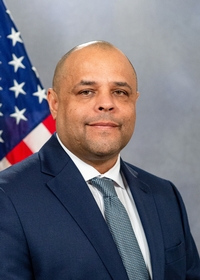
Rep. José Giral
Sponsored bills
Maddy summaryHB 464 is a constitutional amendment proposal that would ensure Pennsylvania courts remain open for lawsuits against the state government (the "Commonwealth"). It directly affects residents, businesses, and local governments who may need to sue the state for issues like contract disputes or government actions. The key provision would amend the state constitution to guarantee access to courts for such cases, removing potential barriers to filing suit. This is a procedural change to constitutional access, not a new law with specific funding or regulations.
Maddy summaryHB 95 amends Pennsylvania's Unfair Trade Practices and Consumer Protection Law to require clear disclosure when AI-generated content (like text, images, or videos) is created, distributed, or published. It directly affects businesses, creators, and platforms using AI tools to produce content for consumers in Pennsylvania. The bill adds new definitions, including that "artificial intelligence" means technology creating new content via predictive algorithms, and specifies that disclosures must be "clear and conspicuous" - meaning they must be visible upfront, easy to understand, and match the content's medium (e.g., visible text, audible audio). This change updates existing consumer protection rules to address AI-generated content transparency.
Maddy summaryHB 1620 authorizes the state Department of General Services to transfer specific lands in Philadelphia to the Philadelphia Housing Authority (PHA), subject to the Governor's approval. This procedural bill directly affects the PHA by potentially expanding its land holdings for housing purposes. The key mechanism requires formal conveyance of the designated properties through state administrative channels. The bill does not create new programs or funding but facilitates a land transfer process. (Procedural bill; summary limited to 2 sentences as required.)
Maddy summaryHR 301 is a resolution directing the Legislative Budget and Finance Committee to study how racial wealth disparities specifically impact Black residents in the Commonwealth. The study must examine these disparities and develop concrete policy recommendations to reduce or eliminate them. This resolution does not create new laws but requires the committee to produce findings and actionable suggestions for future legislative consideration. It directly affects Black residents by focusing on systemic economic inequities within the state.
Maddy summaryHB 1967 proposes adding Allegheny River Boulevard to Pennsylvania's official scenic byways system under transportation law. This designation would officially recognize the corridor for its natural and cultural scenery, primarily affecting communities along the route and tourism-related businesses. The bill's key mechanism is a simple update to state transportation statutes to include this specific roadway in the existing scenic byway program, without creating new funding or regulatory requirements. The designation aims to promote tourism and preservation efforts for the area.
Maddy summaryHB 2013 amends Pennsylvania's Board of Vehicles Act to require that vehicle manufacturers and distributors have continuously offered electric vehicles for at least 12 months before owning, operating, or controlling up to five electric vehicle dealerships. This rule applies specifically to dealerships that trade solely in electric vehicles and are not part of an existing franchise arrangement with a manufacturer. The bill does not change existing franchise requirements but adds a new condition for expanding electric vehicle dealership ownership. The amendment takes effect 60 days after the bill becomes law.
Maddy summaryHB 852 amends Pennsylvania's Local Tax Enabling Act to standardize procedures for collecting delinquent taxes. It specifically updates notice requirements and clarifies who bears collection costs for per capita, occupation, occupational privilege, emergency, municipal services, local services, and income taxes. Local governments collecting these taxes will now follow uniform rules for notifying taxpayers about delinquencies and accounting for administrative expenses. The bill does not change tax rates or create new taxes, but streamlines the enforcement process for existing local tax collections. This procedural update directly affects municipalities and tax collectors managing these specific revenue streams.
Maddy summaryThis bill requires drivers under 18 in Pennsylvania to view educational materials about distracted driving and work zone safety before taking their junior driver's license exam. It also mandates that the driver's license test include at least one question about safe driving in work zones and adds a corresponding section to the official driver's manual. The law applies to all minors seeking a junior license, including those applying for motorcycle permits. These changes aim to improve safety awareness during the licensing process without altering existing permit requirements or testing procedures.
Maddy summaryHB 497 would amend Pennsylvania's Election Code to ban foreign-influenced corporations from making political contributions or expenditures. A "foreign-influenced corporation" is defined as one where a foreign investor (such as a foreign government or entity) owns 1% or more of its equity (or 5% in aggregate) or influences its U.S. political activities. The bill prohibits these corporations from contributing to candidates, political parties, committees, or ballot questions, or spending money to support or oppose elections. Violations would trigger penalties under the Election Code, directly affecting corporations meeting the foreign-influence criteria.