

Maddy summaryHB 1700 would amend Pennsylvania's vehicle laws to allow driver's licenses to include a "communication impairment designation" for individuals with conditions affecting speech or hearing, such as hearing loss or speech disorders. This designation would help drivers communicate more effectively with law enforcement during traffic stops by indicating they may need alternative communication methods. The bill also specifies penalties for violations related to this designation, such as failing to accommodate it during stops. It directly affects drivers with communication disabilities and law enforcement officers interacting with them.
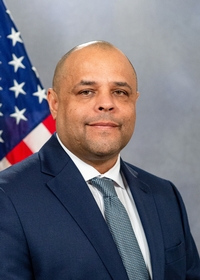
Rep. José Giral
Sponsored bills
Maddy summaryHB 928 amends Pennsylvania law to expand access to epinephrine auto-injectors for severe allergic reactions. It adds schools, sports organizations, and other public venues to the list of "authorized entities" allowed to store these devices and train staff. The bill clarifies who can access the injectors during emergencies and specifies training requirements for personnel. This directly affects schools, youth programs, and public facilities serving individuals at risk of anaphylaxis.
Maddy summaryHouse Bill 1434 amends Pennsylvania's Crimes and Offenses statute to specifically address the sale of electronic nicotine delivery systems to minors. This legislation introduces new penalties for retailers who violate this prohibition. For a first or second offense, a retailer would face a $5,000 fine. A third offense would result in a $5,000 fine and the permanent revocation of their cigarette license. This bill directly affects retailers by imposing stricter financial and licensing consequences for selling these products to minors.
Maddy summaryThis bill directs Pennsylvania's Human Services department to replace current Supplemental Nutrition Assistance Program cards with new chip-enabled versions by January 1, 2028. The new cards will be provided free of charge to eligible recipients and will include security features like tap-to-pay technology to prevent benefit theft. The department must issue regular reports on the transition progress to state legislators and take steps to secure funding, including applying for federal grants.
Maddy summaryThis bill establishes a new framework for Pennsylvania public utilities to earn a return on their equity investments, directly affecting investor-owned electric, gas, and water companies regulated by the state commission. It creates a competitive auction process where utilities can bid to set their own return rates based on market conditions, while also providing a default rate of the 10-year U.S. Treasury yield plus 2 percent if no auction occurs. To support this system, the legislation requires utilities to separate their services into distinct legal entities and mandates annual reporting to ensure transparency. Ultimately, the law aims to determine how much profit these utility companies can make on their investments while maintaining oversight through the state commission.
Maddy summaryHB 1127 authorizes Pennsylvania to join the Dentist and Dental Hygienist Compact, enabling dentists and dental hygienists licensed in Pennsylvania to practice in other participating states without obtaining separate licenses. The bill establishes a "Compact Privilege" that allows qualified professionals to practice across state lines while maintaining each state's regulatory authority over scope of practice and disciplinary actions. Key mechanisms include streamlined licensure pathways, shared disciplinary information between states, and protection of public health standards. This affects licensed dental professionals seeking to work in multiple compact states, particularly addressing workforce mobility and access to care.
Maddy summaryHB 426, the Native Habitats at Commonwealth Facilities Act, requires Pennsylvania state agencies to prioritize native plants (untreated with systemic insecticides) in landscape projects at state facilities. Agencies must consider environmental benefits like supporting pollinators, reducing soil erosion, and conserving water when planning such projects. The bill defines a "pollinator meadow" as an area with at least 50% native wildflowers, including milkweed seed, and protected from insecticides. This applies to Commonwealth agencies (e.g., state departments and offices) but excludes judicial and legislative bodies, and also sets duties for the Department of Conservation and Natural Resources regarding pollinator habitats.
Maddy summaryHB 1117 amends Pennsylvania's 1929 Administrative Code to redefine the Department of Drug and Alcohol Programs' responsibilities for addressing substance use disorders. The department must now develop a comprehensive State plan coordinating prevention, treatment, research, and education across all state agencies and local communities - including health, law enforcement, education, and workforce sectors - to avoid duplication. The plan requires annual review and updates, and mandates the department to provide assistance to local governments while collaborating with medical professionals on drug use guidelines. This change formalizes existing coordination efforts under a unified framework, directly affecting state agencies and local entities managing substance use disorder services.
Maddy summaryHB 78 establishes rules for businesses handling consumer data, requiring them to be transparent about data collection, secure personal information, and allow consumers to access or delete their data. It directly affects companies that collect personal information (like names, addresses, or online activity) from residents of the state. Key provisions include mandating clear privacy notices, implementing security measures, and giving consumers control over their data. Violations would result in fines imposed by the state's consumer protection agency. The bill passed final passage in October 2025 and is now law.
Maddy summaryHB 2527 amends Pennsylvania's Public School Code to update the definition of an 'eligible student' for early learning programs. Under the new provisions, a child qualifies if they are at least three years old, younger than the kindergarten entry age in their district, and live in a household earning no more than 400% of the federal poverty level. This legislative change directly affects eligibility criteria for early childhood education funding and services in the state.