

Maddy summaryHB 886 requires Pennsylvania correctional institutions to provide prerelease briefings to inmates who are veterans, specifically informing them about available veterans' benefits. This bill directly affects incarcerated veterans transitioning back into civilian life by ensuring they receive information about benefits they may qualify for. The key provision mandates that these briefings be part of the general administration process for correctional facilities under Title 61 of the Pennsylvania Consolidated Statutes. The bill focuses on improving access to benefits information as part of reentry support, without altering eligibility or benefit amounts.
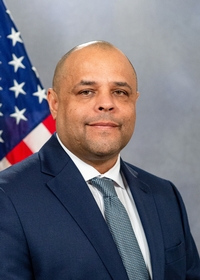
Rep. José Giral
Sponsored bills
Maddy summaryHB 2212 requires Pennsylvania health insurance companies and other health care payers (including health maintenance organizations and self-insured employers) to reimburse out-of-network medical facilities that meet specific criteria, such as having a four-star patient satisfaction rating, offering faster service than nearby in-network facilities, or being partially owned by physicians who are in-network with the payer. The bill mandates that payers use a "baseball-style arbitration" process for payment disputes, where an independent third party selects either the payer's or facility's proposed payment amount without modification. It defines key terms like "highest in-network rate" to standardize how payers determine fair reimbursement for services. This law directly affects health care benefit plans regulated under Pennsylvania insurance law, aiming to reduce discrimination against qualifying out-of-network providers.
Maddy summaryHB 2213 establishes a regulatory framework for "skill video gaming" in Pennsylvania, directly affecting businesses that operate or distribute gaming systems. The bill requires licenses from the Department of Revenue for operators, distributors, and establishments, imposes fees, and mandates a central reporting system to track transactions like "coin in/out" and jackpots. Key provisions include banning access for people under 18, prohibiting "miniature casinos," requiring security measures for players, and creating criminal penalties for operating unlicensed systems or distributing to minors. It aims to eliminate illegal gambling devices disguised as skill-based games while leveraging the State Lottery's existing experience in retail gaming oversight.
Maddy summaryHR 389 is a symbolic resolution designating February 2026 as "Senior Independence Month" in Pennsylvania. It does not create new laws or programs but formally recognizes older adults' contributions and promotes community engagement through existing initiatives. The resolution urges all Pennsylvanians to honor seniors' achievements and support programs that foster independence, health, and social connection. This is a commemorative measure with no direct policy changes or financial impact.
Maddy summaryThis bill prohibits payment card networks (like Visa or Mastercard) from charging fees based on the full transaction amount that includes Pennsylvania's sales tax. It specifically bans interchange fees that calculate charges using the total amount (including tax) and prevents networks from raising fees to circumvent this rule. Merchants who accept credit/debit cards and payment networks are directly affected, as they can no longer impose these tax-inclusive fees. Violations of these provisions could result in penalties under the new law.
Maddy summaryThe context provided does not include sufficient details about HB 331's specific provisions, who it affects, or its key mechanisms. The bill title mentions amending judicial statutes regarding "surcharge" for facilities and supplies, but no concrete policy changes, affected parties, or operational details are described in the available information. Without the full text or explanatory summaries of the bill, a factual summary cannot be accurately generated. Procedural actions (like being "laid on the table") do not describe the bill's content.
Maddy summaryHB 1759 establishes rules for disposing of waste tires, trash, and debris in Pennsylvania, directly affecting municipalities, businesses handling tires, and individuals who dump waste improperly. It allows local governments to impose fines up to $5,000 for "short dumping" (illegally emptying trash from vehicles) and $500 per tire for improper tire disposal, while requiring businesses to keep electronic records of tire disposals for five years and provide proof of proper recycling. Municipalities must use collected fines to fund recycling programs, clean up environmental damage from improper disposal, and enforce the law. The bill takes effect 120 days after enactment.
Maddy summaryHB 1648 amends Pennsylvania's Public School Code to establish "mental health days" as an excused absence for students, directly affecting public, nonpublic, and private school students. Schools must adopt policies by the 2026-2027 school year allowing up to two consecutive days off for mental or physical fatigue due to mental health-related stressors, whether certified (like anxiety) or uncertified (like bullying or family trauma). The bill prohibits more than three mental health days in a week or two consecutive weeks, except as permitted by school policies. The state Department of Education will develop model guidelines within 90 days to help schools implement these policies.
Maddy summaryHB 670 would protect access to abortion clinics in Pennsylvania by creating a legal right for people to enter reproductive health services facilities and allowing lawsuits against individuals or entities that block access. It amends criminal and judicial statutes to define "blocking access" as a violation and imposes penalties for such actions. The bill directly affects patients seeking abortion care, clinic staff, and anyone attempting to obstruct facility access. Key provisions include enabling civil lawsuits for damages and establishing specific criminal penalties for interference with facility access.
Maddy summaryThis is a symbolic resolution, not a law, recognizing February 27, 2026, as "Dominican Republic Independence Day" in Pennsylvania. It has no policy impact or effect on any specific group; it is purely a ceremonial acknowledgment. The resolution cites the Dominican Republic's independence from Haiti in 1844 and the state's Dominican-American community as context. It does not create new requirements, change existing laws, or allocate funding.