

Maddy summaryThis bill directs the Joint State Government Commission to conduct a comprehensive study on the growth and changes of short-term rentals across the Commonwealth. The study will examine current market data, existing local ordinances, state laws, and the impacts of these rentals on the economy, affordable housing, and traditional tourism. The commission is required to submit a report with its findings and recommendations to the Governor and various legislative committee chairs within 180 days of the bill's adoption.
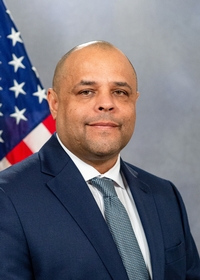
Rep. José Giral
Sponsored bills
Maddy summaryThis bill establishes the Survivor-Centered, Accessible, Fair and Empowering (SAFE) Housing Trust Fund within Pennsylvania's State Treasury to support victims and survivors of domestic violence, sexual assault, dating violence, human trafficking, and stalking. The fund is designed to provide emergency, transitional, and permanent housing along with related support services to help these individuals and their immediate family members move toward independent living. Money for the fund will be generated through an interfund transfer, and the program must remain accessible to all regardless of sex, gender identity, or sexual orientation.
Maddy summaryThis bill creates a program called the Linked Deposit Impact Pennsylvania Act to help small, for-profit businesses owned by Pennsylvania residents that employ 100 or fewer people and earn less than $10 million annually. Under the plan, the State Treasurer would place funds with approved local banks, which then agree to lend that same amount to eligible small businesses at a reduced interest rate. The legislation requires banks to follow standard lending practices to check borrower creditworthiness and prohibits them from charging fees for participating in the program. Ultimately, the State Treasurer manages the program by reviewing loan applications and deciding how much money to deposit with each participating bank.
Maddy summaryThis bill establishes new eligibility rules for nonprofit corporations in Pennsylvania that receive state contracts, funding, or grants. To qualify, these organizations must have at least 200 employees in the state and must not have violated federal fair labor standards or committed unfair labor practices within the last five years. Additionally, the nonprofit's bylaws must require that at least 20% of its governing board consists of current employees elected by the workforce. The law does not apply to healthcare-related state payments like Medicaid reimbursements and will take effect 60 days after passage.
Maddy summaryThis Pennsylvania House resolution designates June 23, 2024, as "Widows' and Widowers' Day" to acknowledge the approximately 681,800 widowed individuals in the state. The measure expresses condolences to those who have lost a spouse and encourages them to seek support from family, friends, and counselors. It does not create any new laws or change existing programs but serves as a symbolic gesture to raise awareness about the challenges faced by widowed residents.
Maddy summaryThis bill requires Pennsylvania government agencies to prioritize using insecticide-free native plants over non-native options when landscaping state facilities. It mandates that these agencies consider the environmental benefits of such plants, including habitat creation for pollinators and reduced water usage, during construction and maintenance projects. Additionally, the law directs the Department of Conservation and Natural Resources to create specific pollinator meadows on unused turfgrass areas at Commonwealth facilities. The legislation defines specific terms like "pollinator meadow" and lists various state departments and entities that must follow these new planting guidelines.
Maddy summaryThis bill expands Pennsylvania's existing Wild Resource Conservation Act to specifically include wild native terrestrial invertebrates, such as land-dwelling insects and other non-aquatic animals without backbones, under state protection. It directs the Department of Conservation and Natural Resources to investigate these species' populations and habitats, classify them as endangered, threatened, or vulnerable, and establish a formal management system. Once classified, the department will create regulations within two years that limit activities like taking, selling, or transporting these invertebrates to ensure their survival. The law also officially defines these creatures as "wild resources" and sets the bill into effect 60 days after it is signed.
Maddy summaryThis resolution designates August 19, 2024, as "Marion Munley Day" throughout Pennsylvania to honor the legacy of the late state representative. It recognizes Munley's historic achievements, including becoming the first woman elected to the Pennsylvania House of Representatives from northeastern Pennsylvania and the first woman to serve as Secretary of the House. The document highlights her significant contributions to women's rights, such as co-authoring the state's Equal Pay Law, and aims to commemorate her life and work in promoting equality.
Maddy summaryThis Pennsylvania resolution designates the week of August 5 through 9, 2024, as "National Conference of State Legislatures Week" to honor the National Conference of State Legislatures (NCSL). The bill recognizes NCSL's 50-year history of supporting state lawmakers and its role in fostering cooperation among state legislatures. It formally commends the organization for its leadership and acknowledges its upcoming 50th anniversary celebration. Copies of the resolution will be sent to NCSL to mark the occasion.
Maddy summaryThis Pennsylvania House Resolution designates the week of June 17 through 23, 2024, as "Sanitation Workers Week" to honor the state's waste and recycling employees. The measure does not alter laws or budgets but serves as a formal gesture of appreciation from the legislature to the approximately 6,000 residents employed in the sanitation industry. It highlights the physically demanding nature of the job, which involves collecting and disposing of refuse, and acknowledges the workers' essential role in keeping communities clean, particularly during the COVID-19 pandemic.