

Maddy summaryHB 654 amends Pennsylvania's State Lottery Law to expand access to the Pharmaceutical Assistance Contract for the Elderly Needs Enhancement Tier (PACENET). It raises the income eligibility thresholds for seniors: single individuals with annual incomes between $14,500 and $45,000, and married couples with combined incomes between $17,700 and $55,000, will now qualify. The bill also allows applicants to round income amounts to the nearest whole dollar when reporting. This change directly affects Pennsylvania seniors who rely on PACENET for subsidized prescription drugs by making the program available to more low-to-moderate-income elderly residents.
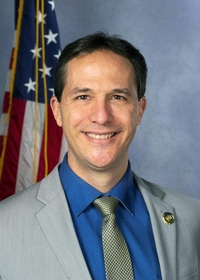
Rep. Joe Hohenstein
Sponsored bills
Maddy summaryHB 572 creates a new criminal offense in Pennsylvania for the non-consensual sharing of intimate images. It makes it illegal to knowingly transmit, distribute, publish, or disseminate a sexually explicit image (defined as depicting genitals, pubic area, or breasts shown for sexual stimulation) to someone who didn't request it or give express consent. This offense is classified as a summary offense (similar to a minor misdemeanor), applies if either the victim or offender is in Pennsylvania, and excludes law enforcement officers acting in their official duties. The bill directly affects individuals who share intimate images without consent, providing a specific legal remedy for this type of non-consensual disclosure.
Maddy summaryThis bill establishes the Opioid Reparation and Accountability Fund, which will receive fees from opioid manufacturers and distributors, and creates the Opiate Epidemic Response Advisory Council. It requires opioid manufacturers/distributors to obtain licenses and pay $27,500 annually for licenses (with $2,500 for non-opioid drugs), plus an additional annual fee if they distribute over 2 million opioid units. The Department of Health, Human Services, and Drug and Alcohol Programs must implement new reporting requirements, manage the fund, and coordinate with the advisory council. The fund will support community programs addressing the opioid crisis, directly affecting opioid manufacturers, distributors, and state agencies responsible for oversight.
Maddy summaryHB 592 amends Pennsylvania law to require that full-time waterways conservation officers (who enforce fishing and boating regulations) be paid at the same scale as Pennsylvania State Police officers. The bill directly affects these conservation officers by changing their compensation classification under the Pennsylvania Fish and Boat Commission. It specifies that their pay must align with State Police classifications, rather than existing commission pay scales. The change applies to compensation earned 60 days after the bill's effective date. This is a procedural pay adjustment, not a change to enforcement duties or waterway regulations.
Maddy summaryHB 588 amends Pennsylvania's Professional Nursing Law to require registered nurses and licensed practical nurses to complete one hour of mandatory continuing education focused on older adult abuse recognition and reporting during each biennial license renewal period. This requirement applies to all license renewals (except initial licensure) and includes specific documentation rules, such as retaining certificates for five years and submitting them upon request. Failure to complete this hour may delay license renewal, trigger disciplinary action under existing penalties, or require remediation within six months. The bill directly affects nursing license holders in Pennsylvania seeking renewal, reinstatement, or reactivation of their licenses.
Maddy summaryThis bill establishes new limits for lead in soil at playgrounds and adjacent areas in Pennsylvania. It requires that bare soil on playgrounds must not exceed 200 parts per million (ppm) of lead, and soil in the surrounding yard must not exceed 1,200 ppm. The Department of Environmental Protection will enforce these limits and can issue compliance orders or penalties for violations involving owners or operators of playgrounds, schools, child care centers, and other entities maintaining such areas. These requirements directly affect public and private facilities where children play, aiming to reduce lead exposure risks.
Maddy summaryHB 584 creates a program to help Pennsylvania homeowners address lead paint hazards in older homes. It establishes a Lead Abatement Grant Program, where municipalities receive competitive grants to fund lead hazard control work (like paint removal or soil cleanup) for single-family homes and rental properties. The program prioritizes low-income households (under 50% of median income) and homes with children under six. Funding comes from a 50¢ surcharge on each gallon of architectural paint sold to consumers, deposited into a dedicated Lead Abatement Assistance Fund. The surcharge applies to standard interior/exterior paint for homeowners or businesses, not industrial or aerosol products.
Maddy summaryHB 574 amends Pennsylvania's Hazardous Sites Cleanup Act to update definitions and establish emergency water protections. It specifically adds PFAS chemicals (like PFOA and PFOS) to the definition of "hazardous substance" and creates a new designation for "special drinking water resource-impacted communities" when groundwater or surface water exceeds 10 parts per trillion of PFAS over a 12-month average or contains other pollutants threatening public water supplies. The bill grants the Governor authority to declare such communities and set immediate emergency water standards and cleanup requirements without waiting for full site remediation. This directly affects municipalities with contaminated water sources, particularly those dealing with PFAS contamination requiring urgent public health responses. The changes aim to streamline emergency actions for communities facing immediate drinking water risks from hazardous substances.
Maddy summaryHB 571 establishes the Rebuild Pennsylvania Board, Program, and Fund to allocate state funds for infrastructure and community projects. The Board, composed of 5 appointed members (including Governor and legislative leaders), will distribute funds across 10 specific categories like flood control, disaster response, green infrastructure, brownfield cleanup, and school contaminant remediation. Program money will be used for grants, loans, or other financial assistance to eligible projects within 15 days of allocation. This bill directly affects Pennsylvania communities and local governments receiving these funds, with the program funded through an interfund transfer as specified in the legislation.
Maddy summaryHB 605 creates a program where individuals on probation, parole, or post-release supervision in Pennsylvania can earn time off their supervision period by meeting specific requirements. For each month of compliance - including fulfilling their case plan, avoiding new arrests, and making scheduled payments for restitution or fines - they earn 15 days toward reducing their supervision term. Agencies must award these "earned compliance credits," place compliant individuals in nonactive status, and petition courts to shorten supervision when all financial obligations are met. Individuals facing financial hardship that prevents payments cannot be barred from earning credits if they meet other requirements. The bill requires agencies to publish forfeiture rules online for violations, limiting forfeited credits to those already earned.