

Maddy summaryHB 1523 would impose an excise fee on rides provided by transportation network companies (TNCs) like Uber or Lyft in Pennsylvania. The bill amends specific sections of state law related to municipalities, public utilities, and transportation to require this fee to be collected on each ride. The fee would directly affect TNC operators, who would be responsible for paying and collecting it from riders. This policy change creates a new revenue stream for transportation-related funds under the amended statutes.
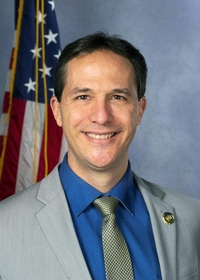
Rep. Joe Hohenstein
Sponsored bills
Maddy summaryThis resolution (HR 241) urges Congress to adopt three specific bills: H.R. 1876 (keeping field offices open), H.R. 1877 (protecting Social Security data), and S. 770 (expanding Social Security). It does not create new laws or affect individuals directly; instead, it is a non-binding request addressed to Congress. The resolution was referred to the Aging & Older Adult Services committee on May 29, 2025, for consideration.
Maddy summaryHB 1506 would require Pennsylvania state and county correctional facilities to provide affordable communication services, such as phone calls or video visits, for inmates. This bill directly affects incarcerated individuals and their families by improving access to regular contact. The key provision mandates that all correctional institutions must offer these services at reasonable rates, aiming to support family connections during incarceration. The bill is currently under review by the Communications & Technology committee.
Maddy summaryHB 1518 amends Pennsylvania's driver licensing laws under Title 75 of the Consolidated Statutes. It focuses on updating procedures for applying for driver's licenses or learner's permits, as well as modifying the content, expiration, and renewal processes for licenses. The bill directly affects Pennsylvania drivers who apply for or renew their licenses. The provided context does not include specific provisions or mechanisms of the bill, only its title and referral to the Transportation committee.
Maddy summaryHB 1501 would amend Pennsylvania's oil and gas laws to create a Radiation Testing Pilot Program. The bill would establish a voluntary program for testing radiation levels in areas near oil and gas operations, directly affecting communities and landowners in regions with active or former oil and gas activity. Key provisions include requiring participating operators to conduct specific radiation tests and report results to the state, with the program running for a set period to evaluate its effectiveness. The bill is currently referred to the Environmental & Natural Resource Protection committee. (Note: Specific details on testing protocols, duration, or participant requirements are not provided in the given context.)
Maddy summaryHB 1502 updates Pennsylvania vehicle noise regulations under Titles 42 (Judiciary) and 75 (Vehicles). It requires all vehicles, including snowmobiles and all-terrain vehicles, to meet specific muffler and exhaust system standards to control noise. The bill also modifies vehicle inspection procedures, allowing inspectors to suspend operator certificates for violations, and imposes penalties for non-compliance. These changes directly affect vehicle owners, dealers, inspectors, and manufacturers by setting clearer noise control requirements and enforcement mechanisms.
Maddy summaryHB 926 requires healthcare facilities to establish violence prevention committees to address workplace violence. These committees must develop safety plans, and facilities must report violent incidents to the Department of Labor and Industry. The Department gains authority to enforce compliance, impose fines, and issue administrative penalties for violations. This bill directly affects hospitals, clinics, and all healthcare workplaces covered under state labor regulations.
Maddy summaryHB 1263 establishes Pennsylvania's Keystone Saves Program, creating a state-run savings initiative for low-to-moderate income residents. The bill sets up a dedicated program fund and administrative fund managed by the Treasury Department, which will handle investments while adhering to fiduciary responsibilities. An advisory board will oversee program implementation and ensure it meets the needs of participants. This program directly affects eligible Pennsylvanians by providing a structured savings option, with the Treasury Department responsible for managing funds and investments.
Maddy summaryHB 67 allows residents in Pennsylvania condominiums, cooperatives, and planned communities to hang clothes outside to dry using sunlight, removing restrictions that previously prohibited this practice. The bill amends property management rules under Title 68 to explicitly permit "outdoor solar access for drying clothes" as a resident right. This change directly affects homeowners and renters in these housing types by giving them a new option for laundry without needing special permission from management. The policy focuses solely on enabling this specific practice through updated statutes, with no other provisions or financial impacts described.
Maddy summaryHB 818 creates a program allowing first-time homebuyers in the Commonwealth to open state-backed savings accounts for down payments and closing costs. It establishes a dedicated First-time Homebuyer Savings Account Fund and requires the Treasury Department to manage the program and allocate funds. The bill directly affects eligible first-time homebuyers by providing a new savings mechanism for housing costs. Key provisions include the fund's creation, Treasury's administrative duties, and the structure for account access.