

Maddy summaryHB 1596 exempts certain personal electronics and school supplies from Pennsylvania's sales tax during a specific annual August period. It excludes from tax the purchase of personal computers, tablets, or related devices under $1,500 for individual nonbusiness use, and school supplies like notebooks, art materials, or calculators priced at $50 or less per item. The exemption applies only to individual purchases made during the "exclusion period" (the first Saturday to the third Saturday in August), not to business purchases or items like servers, video game consoles, or music discs. This bill directly affects consumers buying eligible items during the defined August sales tax holiday.
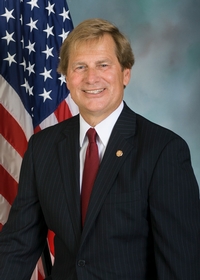
Rep. Jack Rader
Sponsored bills
Maddy summaryHB 1581 amends Pennsylvania law to restrict the sale and possession of solvents and noxious substances that release toxic vapors, commonly misused for inhalant abuse. It specifically prohibits retailers from selling these products to minors if they suspect the product will be used for inhalant abuse, and bans possession for such misuse. Retailers violating the minor sales rule face a second-degree misdemeanor charge, while other violations carry a third-degree misdemeanor penalty. This bill directly affects retailers selling solvents and individuals attempting to misuse these substances for inhalant purposes.
Maddy summaryHB 1499 updates Pennsylvania's child custody laws under Title 23. It clarifies definitions, establishes clearer rules for awarding primary physical custody, and requires courts to consider criminal convictions when making custody decisions. The bill also mandates parenting plans and specifies factors judges must evaluate, directly affecting parents, judges, and child welfare agencies involved in custody cases. The legislation was recently referred to the Judiciary Committee on May 28, 2025.
Maddy summaryHB 1483 amends Pennsylvania's Liquor Code to clarify employment rules for minors in alcohol distribution. It prohibits distributors and importing distributors from employing anyone under 18, with specific provisions: 16- to 17-year-olds may work on licensed premises but cannot sell malt or brewed beverages, while 18-year-olds and older may sell and deliver these products. The bill directly affects alcohol distributors, importers, and their hiring practices under the Liquor Code. This change updates Section 493(27) of the Liquor Code, overriding prior provisions in the Child Labor Act regarding minor employment in alcohol sales. The amendment takes effect 60 days after enactment.
Maddy summaryHB 1422 amends Pennsylvania's Election Code to clarify how mail-in voters must return their ballots. It requires that completed mail-in ballots be returned by 8:00 PM on election day via one of three methods: U.S. Postal Service to county election offices, in person at county election offices during regular hours, or at designated ballot return locations. Ballot return locations must be on county election premises or courthouses, monitored by election inspectors from both major parties, and equipped with video recording for public review. This bill directly affects mail-in voters and county election boards across Pennsylvania by standardizing ballot return procedures and accessibility requirements.
Maddy summaryHB 1394 proposes to repeal the inheritance tax in Pennsylvania, directly affecting estates and beneficiaries who would no longer be subject to this tax on inherited assets. The bill also modifies procedures for taxpayers to petition for a reassessment of taxes. Additionally, it updates existing provisions related to how government-issued obligations are treated for tax purposes.
Maddy summaryHB 1378 amends Pennsylvania's Conservation and Natural Resources Act to require that the Chief Forest Fire Warden serve as a Deputy Secretary within the Department of Conservation and Natural Resources. The bill changes the appointment language to include this title but does not alter the Chief Forest Fire Warden's existing duties of preventing, controlling, and extinguishing forest fires. This amendment directly affects the department's internal structure by establishing a new leadership title for the position. The bill takes effect 60 days after enactment.
Maddy summaryHB 1354 requires Pennsylvania public school districts to allow private school students who reside in the district to participate in after-school sports, clubs, and other extracurricular activities if their private school does not offer the same activity and they meet all participation requirements. The law directly affects private school students seeking access to public school programs and public school districts managing extracurricular offerings. It mandates inclusion only when the private school does not provide equivalent opportunities, without changing funding or administrative requirements. The bill takes effect 60 days after enactment.
Maddy summaryHB 1298 amends Pennsylvania's Election Code to allow certain absentee voters to apply for a ballot after the standard 15-day deadline (by 5 PM on the fifteenth day before an election) if they face unexpected circumstances like sudden illness, unforeseen work obligations, or last-minute travel plans that prevented timely application. Voters must submit a sworn declaration explaining their situation and confirming eligibility under the new provisions, under penalty of perjury. The bill does not change the existing application rules for mail-in ballots, which require applications to be received 50 days before an election and processed by the 15th day prior.
Maddy summaryHB 1273 repeals Pennsylvania's requirement that taxpayers make payments of $15,000 or more electronically for personal income tax, along with related penalties for non-compliance. It replaces these rules by adding a new provision requiring the Department of Revenue to accept all payment methods without penalties for taxpayers. This bill directly affects individuals and businesses paying Pennsylvania personal income tax, removing a specific electronic payment mandate and associated fines. The changes take effect for taxable years beginning after December 31, 2025, making all payment methods equally acceptable without penalty.