

Maddy summaryThis House Resolution designates April 25, 2026, as "Diabetic Eye Screening Day" in Pennsylvania to raise awareness about diabetic retinopathy, a leading cause of blindness among people with diabetes. The resolution does not create new laws or funding but serves as a symbolic recognition of free and low-cost eye screening events organized by various medical institutions across the state. It highlights the importance of early detection for diabetic eye conditions, which often show no symptoms until vision damage becomes irreversible. The measure is sponsored by multiple state representatives and focuses on promoting public health awareness rather than implementing policy changes.
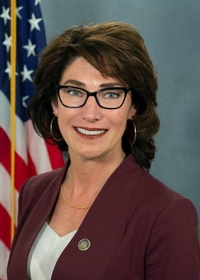
Rep. Mary Isaacson
Sponsored bills
Maddy summaryHB 879 would change Pennsylvania law to allow both state and local prosecutors to pursue charges for riot, disorderly conduct, and related offenses that currently fall under state jurisdiction alone. This bill directly affects law enforcement agencies, prosecutors, and individuals charged with these specific offenses by expanding who can bring legal action. The key provision establishes "concurrent jurisdiction," meaning local district attorneys and the state attorney general could both prosecute the same case without requiring state involvement. The bill aims to streamline enforcement for these offenses but does not alter the penalties or definitions of the crimes themselves.
Maddy summaryHB 1800 would repeal the current legal provisions in Pennsylvania that recognize marriage between people of the same sex by removing specific sections from the domestic relations code. The bill directly affects same-sex couples currently married in Pennsylvania, as it would eliminate the statutory basis for their marriages. Key provisions include amending definitions in the preliminary sections of the code and striking down existing language that addresses same-sex marriage. The bill is currently referred to the Judiciary committee and has not been enacted.
Maddy summaryThis bill would create a state-funded paid family and medical leave program for eligible workers needing time off for health issues, childbirth, or family care. It establishes a dedicated state fund to cover leave costs, creates an advisory board to guide implementation, and assigns oversight to the Department of Labor. The program would directly affect employees in the state who qualify for these leave types, requiring employers to provide the benefits. The bill also specifies penalties for businesses failing to comply with the new requirements.
Maddy summaryHB 1260 would allow businesses owning warehouses or distribution centers to install solar energy systems by providing tax exemptions for "solar-ready" projects. It directly affects commercial property owners in the state by reducing their tax burden for qualifying solar installations. Key provisions include authorizing special tax breaks, requiring the Department of Environmental Protection to establish guidelines for these projects, and imposing fines for non-compliance with solar-ready construction standards. The bill aims to incentivize renewable energy adoption in large commercial facilities through concrete tax policy changes.
Maddy summaryThis is a ceremonial resolution designating March 17, 2026, as "Bayard Rustin Day" in Pennsylvania. It honors Bayard Rustin, a key civil rights leader who organized the 1963 March on Washington and advocated for racial equality, labor rights, and LGBTQ+ rights. The resolution does not create new laws or policies; it solely serves to commemorate Rustin's legacy through a designated day. No specific individuals or groups are directly affected by this designation, as it is purely symbolic recognition.
Maddy summaryThis Pennsylvania House resolution designates March 21, 2026, as "Rosie the Riveter Day" to honor women who worked in factories during World War II, particularly those in Pennsylvania. It specifically recognizes the contributions of women who filled critical manufacturing roles - like building ships, aircraft, and weapons - as Pennsylvania became known as "The Arsenal of America." The resolution coincides with the 100th birthday of Mae Krier, a WWII worker and advocate for the Congressional Gold Medal honoring all "Rosie the Riveters." As a commemorative resolution, it has no legal effect but serves to publicly acknowledge this historical workforce.
Maddy summaryThis resolution designates March 2026 as "National Social Work Month" in Pennsylvania. It symbolically recognizes the contributions of social workers who support vulnerable populations, address mental health needs, and advocate for policies like minimum wage and poverty reduction. The resolution has no binding effect - it encourages Pennsylvanians to join the National Association of Social Workers in celebrating the profession during that month. It does not create new policies, allocate funding, or directly affect any specific group.
Maddy summaryHB 300 amends Pennsylvania's Human Relations Act to add explicit protections for religious exercise alongside existing anti-discrimination rules. It directly affects employers, housing providers, and businesses offering public accommodations by prohibiting discrimination based on religion in employment, housing, and public services. The bill updates the law to include religious freedom as a protected category under anti-discrimination provisions. It also clarifies the Pennsylvania Human Relations Commission's authority to enforce these protections. The amendment does not create new enforcement mechanisms but integrates religious exercise protections into the existing framework of the 1955 Act.
Maddy summaryHB 501 amends Pennsylvania's Alternative Energy Portfolio Standards Act to update definitions and clarify requirements for renewable energy compliance. It specifically adds "advanced reactor" (including small modular reactors) to eligible energy sources, refines criteria for low-impact hydropower, and updates definitions for biomass, biogas, and alternative energy credits. The bill affects electric utilities required to meet portfolio standards by specifying which energy sources count toward compliance and how credits are calculated. These changes aim to modernize the framework for renewable energy reporting and incentives without altering current percentage targets. The bill is currently in committee review (Environmental & Natural Resource Protection).