

Maddy summaryHB 2252 makes it a crime to share someone's intimate image without consent, including AI-generated images that falsely depict them in nudity or sexual conduct. It directly affects individuals whose intimate images are shared non-consensually, whether the images are real or artificially created using AI or photo editing. The law establishes misdemeanor penalties (from second to first degree) based on factors like the victim's age, the sharer's intent (e.g., to harass, profit, or cause harm), and whether multiple images were shared. This bill updates Pennsylvania's sexual offenses law to specifically address the growing threat of AI-generated intimate images, ensuring they face the same legal consequences as real non-consensual image sharing.
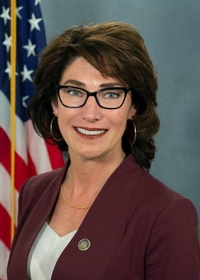
Rep. Mary Isaacson
Sponsored bills
Maddy summaryHB 836 prohibits Pennsylvania from interfering with the use of medically appropriate assisted reproductive technology (ART), such as in vitro fertilization (IVF), ensuring individuals can access these services without state restrictions. The bill defines ART to include specific fertility procedures and requires that any new state laws must comply with this protection unless explicitly exempted by the legislature. It takes effect immediately, providing direct safeguards for individuals seeking ART services and healthcare providers offering them.
Maddy summaryThis bill creates a new chapter in Pennsylvania law to regulate medical devices by banning specific toxic chemicals known as ortho-phthalates, with a primary focus on DEHP. The legislation targets manufacturers of intravenous solution containers and tubing, which currently use these chemicals to make plastic flexible. By prohibiting the intentional addition of these substances, the bill aims to prevent the chemicals from leaching into patient fluids and reducing the effectiveness of cancer treatments. The law is based on findings that these compounds can act as endocrine disruptors, potentially harming reproductive health and contributing to drug resistance in cancer cells.
Maddy summaryThis bill requires Pennsylvania electric distribution companies to build a combined 3,000 megawatts of energy storage systems by July 2033, with specific targets for short-duration and long-duration storage. The Public Utility Commission will assign storage goals to each company based on their service area's demand and may adjust these targets if market conditions change. Companies must use open, competitive bidding processes overseen by an independent monitor to purchase this capacity through long-term contracts.
Maddy summaryThis Pennsylvania House Resolution designates the week of April 19 through 25, 2026, as "National Library Week" within the state. The measure serves as a commemorative recognition of the importance of libraries and library workers in the community. It does not create new laws or change any policies, but rather formally acknowledges the role libraries play in providing books, technology, and programs to residents across Pennsylvania.
Maddy summaryThis House Resolution honors the life of Pennsylvania State Police Corporal Timothy J. O'Connor, Jr., who died in the line of duty in March 2026, and extends condolences to his family. The document details his 15-year career, numerous awards, and community service, while formally recognizing his sacrifice as the 105th state police officer to die in service. It directs that a copy of the resolution be presented to his wife, Casey O'Connor, as a gesture of respect and support.
Maddy summaryHB 2145 prohibits the use of perfluoroalkyl and polyfluoroalkyl substances (PFAS) in specific consumer products sold in Pennsylvania, directly affecting manufacturers of these items. The bill bans intentionally added PFAS in cosmetics, dental floss, juvenile products (like baby mattresses and strollers), and menstrual products, while defining these terms precisely in Chapter 71 of Pennsylvania’s Commerce and Trade code. The Department of Environmental Protection will enforce the ban and impose penalties for violations. This law aims to protect consumers from potential health risks associated with PFAS chemicals, which are linked to environmental contamination and health concerns.
Maddy summaryThis bill updates Pennsylvania's Public School Code to establish stricter attendance and safety rules specifically for cyber charter schools. It requires these schools to define clear policies for counting student presence during live online classes and completing weekly assignments for independent study, with penalties including funding withholding or charter revocation for non-compliance. Additionally, the legislation mandates that cyber charter schools implement wellness checks and create child protection plans to ensure student safety. The state education department will also develop standardized forms to help schools submit and approve these new attendance policies by a set deadline.
Maddy summaryThis bill requires health insurance policies and government programs in Pennsylvania to cover semiannual maintenance and safety checks for complex wheelchairs. It defines complex wheelchairs as custom-designed medical devices that need regular adjustments to meet a user's specific physical needs. The law mandates that these coverage plans pay for the labor and travel costs associated with these evaluations, which can be conducted either in person or via telehealth. By imposing these duties on the Department of Human Services and the Insurance Department, the act ensures that individuals relying on specialized mobility equipment receive consistent care to maintain the device's functionality.
Maddy summaryHB 1113 proposes creating a new state office dedicated to supporting immigrants and newcomers in Pennsylvania, along with a dedicated funding account to support its work. The bill also establishes an advisory committee to guide the office's efforts, specifying its membership and responsibilities. This office would directly assist new residents, including immigrants, by providing resources and coordination. Key provisions include defining the office's duties, managing the restricted funding account, and outlining the committee's role in advising state officials. The bill aims to create a centralized state resource for newcomers but remains in early committee stages with no voting action taken.