

Maddy summaryHB 574 amends Pennsylvania's Hazardous Sites Cleanup Act to update definitions and establish emergency water protections. It specifically adds PFAS chemicals (like PFOA and PFOS) to the definition of "hazardous substance" and creates a new designation for "special drinking water resource-impacted communities" when groundwater or surface water exceeds 10 parts per trillion of PFAS over a 12-month average or contains other pollutants threatening public water supplies. The bill grants the Governor authority to declare such communities and set immediate emergency water standards and cleanup requirements without waiting for full site remediation. This directly affects municipalities with contaminated water sources, particularly those dealing with PFAS contamination requiring urgent public health responses. The changes aim to streamline emergency actions for communities facing immediate drinking water risks from hazardous substances.
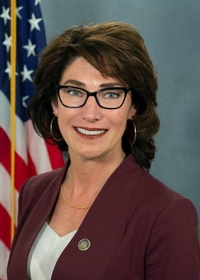
Rep. Mary Isaacson
Sponsored bills
Maddy summaryHB 571 establishes the Rebuild Pennsylvania Board, Program, and Fund to allocate state funds for infrastructure and community projects. The Board, composed of 5 appointed members (including Governor and legislative leaders), will distribute funds across 10 specific categories like flood control, disaster response, green infrastructure, brownfield cleanup, and school contaminant remediation. Program money will be used for grants, loans, or other financial assistance to eligible projects within 15 days of allocation. This bill directly affects Pennsylvania communities and local governments receiving these funds, with the program funded through an interfund transfer as specified in the legislation.
Maddy summaryThis bill adds music therapy to Pennsylvania's existing licensing framework for mental health professionals. It creates a new "licensed professional music therapist" category and defines "practice of music therapy" to include clinically proven techniques like music improvisation, songwriting, and music-based assessments. The State Board of Social Workers, Marriage and Family Therapists, Professional Counselors, and Professional Music Therapists will regulate this new license. It directly affects individuals who provide music therapy services independently, requiring them to hold this specific license while clarifying that existing healthcare providers (like hospitals or schools) aren't required to obtain it for their employment.
Maddy summaryThis Pennsylvania House Resolution (HR 65) establishes a task force to study social media platforms and websites that encourage suicide. The task force, chaired by the Attorney General and including health officials, legislative committee leaders, and appointed experts in psychology, cyberbullying, and suicide prevention, will examine how to address such content. It must issue a report within two years with recommendations for legislative or executive actions to prevent suicides linked to these online spaces. The resolution focuses on gathering evidence and advice to inform future policy, without creating new laws or regulations.
Maddy summaryHR 12 is a ceremonial resolution recognizing February 2025 as "Black History Month" in Pennsylvania. It does not create new laws or policies but formally acknowledges the month through the House of Representatives. The resolution highlights the historical origins of Black History Month, including Dr. Carter Godwin Woodson's founding of the Association for the Study of African American Life and History, and notes the 2025 theme focused on African Americans and labor. This resolution directly affects Pennsylvania residents by designating the month for commemoration, without altering any legal rights or obligations.
Maddy summaryThis Pennsylvania House Resolution (HR 39) is a symbolic tribute honoring former President Jimmy Carter following his death on December 29, 2024, at age 100. It commemorates his life, presidency, and humanitarian work - including the Camp David Accords, founding The Carter Center, and efforts to eradicate Guinea worm disease - through a series of historical "whereas" statements. As a commemorative resolution, it does not create new laws, allocate funds, or directly affect any individuals or policies. The resolution serves only to formally extend the Pennsylvania General Assembly's condolences and recognize Carter's legacy. It is purely ceremonial, with no legislative or policy impact.
Maddy summaryHB 443 modifies Pennsylvania's sentencing for second-degree murder convictions, including murder of an unborn child or a law enforcement officer. It reduces maximum sentences: for adults, from life imprisonment to 50 years; for offenders under 18, it sets a maximum of 40 years for those 15+ at the time of crime and 30 years for those under 15. The bill also establishes new parole timelines - 25 years for standard life sentences under this section, 20 years for those under 18 aged 15+, and 15 years for those under 15 - requiring the parole board to prioritize public safety, victim safety, and consider the offender's culpability before granting parole. Additionally, it mandates that victims be notified and given a chance to be heard before parole decisions for these cases.
Maddy summaryThis resolution designates January 23, 2025, as "Maternal Health Awareness Day" in Pennsylvania. It aims to recognize women who die from pregnancy or childbirth complications, highlighting Pennsylvania's maternal mortality rate of 82 deaths per 100,000 live births and the significantly higher rate (163 per 100,000) for Black women. The resolution does not create new laws or funding but seeks to increase public and healthcare awareness about maternal health risks. It references existing efforts like the Maternal Mortality Review Committee established under Act 24 of 2018.
Maddy summaryHB 356 requires Pennsylvania public and private schools serving grades 6-12 to provide annual, evidence-based training on youth suicide awareness and prevention (at least one hour per school year), along with violence prevention training (also one hour annually). For grades K-12, schools must also offer social inclusion training (one hour yearly) focused on identifying social isolation and building peer connections. The Pennsylvania Department of Education must develop and publish a list of approved, no-cost training materials within one year of the law's effective date. These requirements apply directly to all school entities in the state, mandating specific content for students and staff on mental health, violence prevention, and social inclusion.
Maddy summaryHB 332 requires Pennsylvania public schools (K-12) to incorporate media literacy education into their curriculum starting the school year after the law takes effect. The state Department of Education must develop an age-appropriate model curriculum within six months, covering skills like identifying bias, recognizing misinformation, understanding media influence, and evaluating messages. School districts must adopt this curriculum, and the state will provide free resources and teacher training through public websites. This law directly affects all Pennsylvania public school students and educators by mandating concrete media literacy instruction.