

Maddy summaryHB 1761 prohibits water utilities and municipal authorities from charging "standby fees" to specific groups. It directly affects volunteer fire companies, nonprofit rescue squads, and nonprofit ambulance services (if they own/occupy buildings with fire protection systems and pay for them), as well as residential property owners with automatic fire protection systems. The bill defines a "standby charge" as an extra fee beyond the actual cost of water service for fire protection systems, and bans this practice. Existing charges for affected groups will continue until the next billing cycle after the law takes effect. The law amends both municipal and utility statutes to enforce this prohibition.
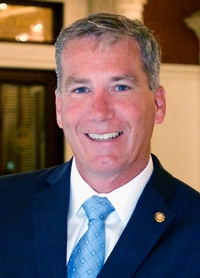
Rep. Ed Neilson
Sponsored bills
Maddy summaryHB 1757 creates a voluntary Pennsylvania firefighter cancer registry managed by the Department of Health. It requires collecting anonymized data from firefighters, including fire incident types, work history, health information, and demographics, to link with existing cancer registry data. The registry aims to identify cancer trends and regional disparities among firefighters, with annual reports to the Governor and legislature containing findings and recommendations. All data remains confidential and cannot be used in court or for disciplinary actions. The registry will also make de-identified data available for public research without fees.
Maddy summaryHB 1668 allows first-class cities in Pennsylvania to create property tax incentives for owners of residential high-rise buildings to install automatic fire sprinkler systems and monitoring devices. It directly affects building owners in cities like Philadelphia by offering tax abatements or relief programs to encourage these safety upgrades. The bill amends the Fiscal Code to authorize this approach, focusing on concrete policy changes without mandating specific actions.
Maddy summaryHB 1424 amends Pennsylvania's Local Tax Enabling Act to prohibit local governments from taxing admission fees at recreational campgrounds. It adds a new restriction (section 18) preventing municipalities from levying amusement taxes on guest charges for campground access. The bill also clarifies that camping property rentals aren't considered "places of amusement" for tax purposes. This change affects all local authorities covered by the original tax law, including cities, towns, and school districts.
Maddy summaryHB 1466 requires mortgage lenders in Pennsylvania to provide mandatory housing counseling to applicants before processing reverse mortgage loans. Specifically, licensees must arrange in-person, phone, or video counseling from a HUD-approved agency, covering reverse mortgage details and alternatives, and issue a certificate documenting the session. This applies to all applicants for reverse mortgages - loans secured by home equity that don’t require repayment until later - and mandates lenders to keep counseling records for the loan’s duration. The bill directly affects mortgage lenders and reverse mortgage applicants, aiming to improve consumer understanding of this complex financial product.
Maddy summaryHB 1433 amends Pennsylvania's Funeral Director Law to update requirements for board inspectors. It reduces the required experience for inspectors from ten to five years and specifies they must be licensed funeral directors actively practicing. The bill grants inspectors authority to enter funeral homes for inspections, investigate complaints, and serve board documents. This directly affects the State Board of Funeral Directors and funeral homes operating in Pennsylvania, changing how the board oversees compliance with licensing regulations.
Maddy summaryHB 1591 amends Pennsylvania's vehicle laws to specifically include rules for private parking lots within the "rules of the road" section. It directly affects owners and operators of private parking lots (like those at shopping centers or apartment complexes) by allowing them to establish their own parking rules without needing separate municipal permits. The key provision moves private lot regulations under the state vehicle code, clarifying that lot operators can set rules for parking duration, access, and enforcement. This changes how local authorities and lot managers handle parking governance, shifting it from general municipal oversight to a defined state regulatory framework.
Maddy summaryHB 1749 amends Pennsylvania's 1971 Tax Reform Code to modify sales and use tax exclusions and create a new tax credit specifically for the steel industry. The bill establishes a "fueling opportunities" tax credit aimed at supporting steel businesses engaged in revitalization, growth, and operational efficiency. This credit directly affects steel manufacturers and related businesses by potentially reducing their tax burden for qualifying activities. The bill focuses on concrete tax code changes rather than broader policy shifts, with its key mechanism being the new credit program within the existing tax framework.
Maddy summaryHB 1527 updates the existing Rare Disease Advisory Council established in 2017, clarifying its structure and responsibilities. The bill directly affects patients with rare diseases and requires coordination among the Department of Health, Insurance Department, Department of Human Services, and Department of Education. Key provisions mandate the council to advise state agencies on rare disease research, treatment access, insurance coverage, and resource allocation. It also specifies how departments must collaborate on policies impacting rare disease patients, ensuring a unified state approach.
Maddy summaryHB 1574 creates a new loan program and fund to help local redevelopment authorities start community renewal projects. It establishes a Redevelopment Authority Startup Fund to provide low-interest loans for initiatives like rebuilding neighborhoods or revitalizing downtown areas. This directly affects cities and towns with active redevelopment agencies, giving them a new way to finance early-stage projects. The bill amends the Fiscal Code to set up this funding mechanism, changing how these local agencies access capital for urban renewal efforts.