

Maddy summaryHB 1541 (Pennsylvania) modifies a 1970 law governing construction contracts. It voids and makes unenforceable clauses requiring one party (like contractors, architects, or owners) to cover negligence-related damages (such as bodily injury, property damage, or economic loss caused by their own negligence). The bill also limits insurance coverage for "additional insureds" (entities added to a policy) to match the contract’s requirements and applicable law. This directly affects construction industry participants in contracts involving design, building, or infrastructure projects. The changes take effect 60 days after enactment.
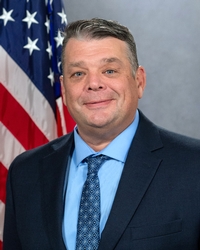
Rep. Pat Gallagher
Sponsored bills
Maddy summaryThis bill creates a new Commission for Career and Technical Education Excellence to oversee and report on vocational training programs across Pennsylvania. The commission will consist of state officials and representatives from industry groups, tasked with setting guidelines for credit transfer between schools and assessing workforce needs. Additionally, the legislation establishes a grant program to provide equipment for building and construction trades pre-apprenticeship initiatives at community colleges. It also mandates that community colleges offer annual youth camps in construction and building trades to seventh and eighth-grade students to introduce them to these career paths.
Maddy summaryThis Pennsylvania House resolution designates September 11, 2026, as the 25th anniversary of the September 11, 2001, Al Qaeda attacks within the state. The measure formally honors the victims, their families, and the first responders who sacrificed their lives during the events and subsequent recovery efforts. Additionally, it recognizes the service of military personnel involved in the global war on terrorism and encourages Pennsylvanians to remember the historical significance of the day.
Maddy summaryThis Pennsylvania House Resolution designates July 4, 2026, as "Valley Forge National Historical Park Day" to celebrate the park's 50th anniversary. The bill directly affects the Commonwealth of Pennsylvania and the Valley Forge National Historical Park by officially recognizing the date for commemorative purposes. It does not create new laws or change existing policies, but rather serves as a symbolic designation to honor the site's historical significance during its half-century milestone.
Maddy summaryThis bill is a House Resolution that formally recognizes May 2026 as Mental Health Awareness Month in Pennsylvania. It does not change laws or allocate funding, but instead encourages government agencies, schools, businesses, and residents to increase awareness and understanding of mental illness. The resolution calls for communities to promote accessible mental health services and reduce stigma around mental health conditions. It is a symbolic measure intended to highlight the importance of mental health without implementing new policy requirements.
Maddy summaryHB 2214 creates a new annual $5 million fund from Pennsylvania's Motor License Fund to support municipal bridge maintenance. It directs counties to distribute these funds based on the relative size of their county-owned bridges (using data from the National Bridge Inspection Program), and allows counties to use the money for bridges owned by municipalities within their jurisdiction. The bill also adds a 55-mill tax on liquid fuels, with 2% of the proceeds allocated to this bridge maintenance fund using the same size-based distribution method. Counties cannot receive less funding than the previous year unless their bridge size decreases or total tax revenue drops. This bill directly affects all Pennsylvania counties and municipalities responsible for bridge upkeep.
Maddy summaryHB 2254 adds Chapter 14 to Pennsylvania's Medical Marijuana Act, allowing terminally ill patients to use medical marijuana within specific care facilities (like hospitals, nursing homes, and assisted living residences) under strict conditions. Facilities must create written guidelines within 180 days covering safe storage, patient safety, allowed forms of marijuana, and documentation. The bill imposes a $500 daily civil penalty for noncompliance, with penalties deposited into the Medical Marijuana Program Fund. It does not require facilities to provide certifications, administer marijuana, or permit use in emergency departments. This directly affects terminally ill patients seeking access in regulated care settings and facilities operating under the existing medical marijuana program.
Maddy summaryThis bill is a non-binding resolution that officially designates June 2, 2026, as "Cancer Action Day" in Pennsylvania to raise awareness about the state's high cancer rates. It highlights statistics on cancer diagnoses and deaths in the Commonwealth while noting disparities in access to care for various communities. The resolution urges lawmakers to support future legislation aimed at improving cancer prevention, detection, and treatment services. As a commemorative measure, the bill does not create new laws or allocate funding but serves to honor those affected by cancer and advocate for improved health outcomes.
Maddy summaryThis Pennsylvania House Resolution designates June 2026 as Scleroderma Awareness Month and June 29, 2026, as World Scleroderma Day within the state. The measure aims to increase public understanding of scleroderma, a rare autoimmune condition that causes skin hardening and can affect internal organs, by promoting awareness rather than implementing new policies or funding. The resolution does not change laws or allocate money but serves to highlight the disease and support ongoing research efforts at Pennsylvania universities.
Maddy summaryHB 2173 updates Pennsylvania's Medical Practice Act of 1985 by adding new definitions and licensing requirements for medical imaging professionals. It specifically creates licensing categories for roles like medical imaging professionals, radiation therapists, radiologist assistants, and trainees, defining their scope of practice (including modalities such as MRI, CT scans, ultrasound, and nuclear medicine). The bill removes outdated provisions about radiologic procedures and education requirements while establishing certification standards through recognized medical imaging certification organizations. This directly affects healthcare workers performing imaging procedures, requiring them to obtain board licenses based on their certified modalities. The changes clarify professional responsibilities and ensure consistent training standards for these healthcare roles.