

Maddy summaryHB 1299 amends Pennsylvania's Unfair Trade Practices and Consumer Protection Law to regulate automatic renewal and continuous service offers. It requires businesses to clearly disclose renewal terms, pricing after trials, and cancellation options in a way consumers can retain, and to allow online cancellation. The law applies to most subscription-based goods/services but excludes health clubs, federally regulated utilities, natural gas/electricity contracts, and insurance entities. Violations would be treated as unfair trade practices under existing enforcement mechanisms.
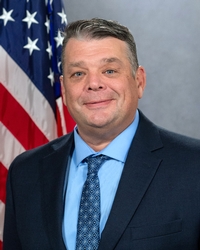
Rep. Pat Gallagher
Sponsored bills
Maddy summaryHB 1668 allows first-class cities in Pennsylvania to create property tax incentives for owners of residential high-rise buildings to install automatic fire sprinkler systems and monitoring devices. It directly affects building owners in cities like Philadelphia by offering tax abatements or relief programs to encourage these safety upgrades. The bill amends the Fiscal Code to authorize this approach, focusing on concrete policy changes without mandating specific actions.
Maddy summaryHB 564 updates Pennsylvania law to establish a new mental health crisis response system. It requires the Department of Human Services to create and operate this system, including training crisis responders and coordinating care. The bill directly affects individuals experiencing mental health crises and the state agencies responsible for emergency mental health services. Key provisions mandate specific duties for DHS to ensure timely, accessible crisis support statewide. The bill passed final passage on July 14, 2025, and is now under review by the Health & Human Services committee.
Maddy summaryHB 1697 amends Pennsylvania's Human Services Code to create a state-level False Claims Act, directly affecting healthcare providers, contractors, and organizations receiving state funds (like Medicaid or welfare programs). It makes individuals or entities liable for three times the damages plus penalties if they knowingly submit false claims, make false records, or conceal obligations to the state. The bill establishes "qui tam" lawsuits allowing whistleblowers to sue on behalf of the state and creates a Fraud Prevention and Recovery Account to hold recovered funds. These provisions align Pennsylvania's law with the federal False Claims Act to combat fraud in public spending.
Maddy summaryHB 1466 requires mortgage lenders in Pennsylvania to provide mandatory housing counseling to applicants before processing reverse mortgage loans. Specifically, licensees must arrange in-person, phone, or video counseling from a HUD-approved agency, covering reverse mortgage details and alternatives, and issue a certificate documenting the session. This applies to all applicants for reverse mortgages - loans secured by home equity that don’t require repayment until later - and mandates lenders to keep counseling records for the loan’s duration. The bill directly affects mortgage lenders and reverse mortgage applicants, aiming to improve consumer understanding of this complex financial product.
Maddy summaryHB 1751 creates a new Office of Employee Ownership within the state's Department of Community and Economic Development to support employee-owned businesses. It establishes an Employee Ownership Advisory Board to guide the program and a Main Street Employee Ownership Grant Program to provide funding for these businesses. The bill also directs the state to offer technical and financial assistance to help employee-owned enterprises grow and operate. This bill directly affects employee-owned businesses seeking support, grants, and guidance through state programs.
Maddy summaryHB 1591 amends Pennsylvania's vehicle laws to specifically include rules for private parking lots within the "rules of the road" section. It directly affects owners and operators of private parking lots (like those at shopping centers or apartment complexes) by allowing them to establish their own parking rules without needing separate municipal permits. The key provision moves private lot regulations under the state vehicle code, clarifying that lot operators can set rules for parking duration, access, and enforcement. This changes how local authorities and lot managers handle parking governance, shifting it from general municipal oversight to a defined state regulatory framework.
Maddy summaryHB 1527 updates the existing Rare Disease Advisory Council established in 2017, clarifying its structure and responsibilities. The bill directly affects patients with rare diseases and requires coordination among the Department of Health, Insurance Department, Department of Human Services, and Department of Education. Key provisions mandate the council to advise state agencies on rare disease research, treatment access, insurance coverage, and resource allocation. It also specifies how departments must collaborate on policies impacting rare disease patients, ensuring a unified state approach.
Maddy summaryHB 1575 creates a new tax credit program to revitalize vacant industrial properties in Pennsylvania. It directly affects building owners of pre-1973 factories or mills that have been at least 75% vacant for 24 months and are designated by their municipality for rehabilitation. The bill establishes a credit equal to 20% of qualified renovation costs (like structural repairs or equipment upgrades) that meet specific value thresholds, applied against certain business taxes. To qualify, properties must be rehabilitated for mixed commercial/residential use, and the program is administered by the Department of Community and Economic Development.
Maddy summaryThis resolution designates the week of September 21-28, 2025, as "Idiopathic Pulmonary Fibrosis Research and Awareness Week" in Pennsylvania. It directly affects Pennsylvanians by aiming to increase public awareness and understanding of idiopathic pulmonary fibrosis (IPF), a serious lung disease, to support better diagnosis and treatment options. As a symbolic resolution, it does not include funding or regulatory changes but seeks to elevate focus on IPF through official recognition. The bill was referred to the Health committee and later laid on the table, halting further progress.