

Maddy summaryThis bill amends Pennsylvania's Pesticide Control Act to clarify that the state's pesticide regulations override any conflicting local laws or ordinances. It allows the state secretary to delegate enforcement duties to designated employees and establishes that pesticide registration, sale, and use are matters of statewide concern. While municipalities generally cannot regulate pesticides, the bill creates a specific exception that permits cities with a population density of at least 300 people per square mile to ban commercial pesticide applications on private property. Additionally, the Department of Community and Economic Development must create a sample ordinance within 120 days to help municipalities implement this new authority.
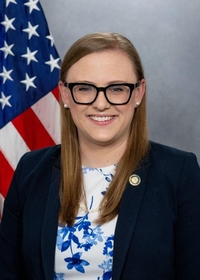
Rep. Jenn O'Mara
Sponsored bills
Maddy summaryThis bill prohibits law enforcement officers from detaining or arresting individuals for civil immigration violations on the property of houses of worship. The only exception allows for arrests if the officer is acting in an official capacity and holds a valid judicial warrant. Additionally, the legislation bars state and local agencies from using taxpayer funds to conduct immigration enforcement and imposes a $10,000 civil penalty for any violations of these rules.
Maddy summaryHB 1964 imposes a temporary pause (moratorium) on selling or leasing public water and wastewater systems to private companies. It creates a Water Utility Reform Working Group to develop recommendations for system management and reform. The bill also repeals specific rules about how acquired water systems are valued. This directly affects communities that own public water systems and their residents, as it delays potential privatization and sets up a process for reviewing system operations.
Maddy summaryHR 327 is a resolution directing the Joint State Government Commission to study how to reduce food waste in the state using multiple strategies, considering existing infrastructure. It would evaluate practical approaches for decreasing food waste across the Commonwealth, focusing on what is currently feasible. The resolution itself does not change laws or funding but would produce a report to inform future policy decisions. This study would be conducted by the Commission, with findings potentially guiding future legislative action on food waste reduction.
Maddy summaryThis bill requires Pennsylvania health care facilities, including emergency departments and urgent care centers, to adopt standardized protocols for identifying and assisting patients who may be victims of human trafficking. The Department of Health is tasked with creating these guidelines within 180 days, which will include trauma-informed screening questions, private interview procedures, and specific steps for referring individuals to support services even if they do not wish to involve law enforcement. To ensure staff are prepared, the law mandates that all clinical and patient-facing employees complete initial training upon hiring and undergo continuing education every two years. Additionally, facilities must annually report de-identified data on screenings and referrals to the Department of Health, which will then submit a summary report to the General Assembly.
Maddy summaryHB 1800 would repeal the current legal provisions in Pennsylvania that recognize marriage between people of the same sex by removing specific sections from the domestic relations code. The bill directly affects same-sex couples currently married in Pennsylvania, as it would eliminate the statutory basis for their marriages. Key provisions include amending definitions in the preliminary sections of the code and striking down existing language that addresses same-sex marriage. The bill is currently referred to the Judiciary committee and has not been enacted.
Maddy summaryThis bill would create a state-funded paid family and medical leave program for eligible workers needing time off for health issues, childbirth, or family care. It establishes a dedicated state fund to cover leave costs, creates an advisory board to guide implementation, and assigns oversight to the Department of Labor. The program would directly affect employees in the state who qualify for these leave types, requiring employers to provide the benefits. The bill also specifies penalties for businesses failing to comply with the new requirements.
Maddy summaryHB 1834 requires commercial data centers in Pennsylvania to pay fees to the state. These fees fund a new Data Center LIHEAP Enhancement Fund, which boosts assistance for low-income households struggling with energy costs. The bill also mandates that data centers meet specific renewable energy targets and allows them to recover certain operational costs through regulated rates. The Pennsylvania Public Utility Commission (PUC) and Department of Human Services are tasked with implementing these requirements and managing the fund.
Maddy summaryThis bill is a House Resolution that designates May 8, 2026, as Child Care Provider Appreciation Day in Pennsylvania to honor the work of child care providers. The resolution does not create new laws or change any policies; it is a symbolic gesture to recognize and thank caregivers, teachers, nannies, and daycare workers who support children and families. The bill is sponsored by multiple representatives and referred to the Committee on Children and Youth for consideration. It aligns with a national tradition of celebrating child care workers annually in May.
Maddy summaryThis Pennsylvania House Resolution designates March 31, 2026, as "Black Midwives Day" to honor the contributions of Black midwives to maternal and infant health in the state. The resolution highlights the importance of midwifery in addressing maternal health disparities, particularly in Black communities where pregnancy-related mortality rates are significantly higher than national averages. It acknowledges the role of midwives in providing culturally sensitive care and reducing barriers to access in areas with limited maternity health resources. The measure serves as a symbolic recognition rather than establishing new laws or funding requirements.