

Maddy summaryHB 1113 proposes creating a new state office dedicated to supporting immigrants and newcomers in Pennsylvania, along with a dedicated funding account to support its work. The bill also establishes an advisory committee to guide the office's efforts, specifying its membership and responsibilities. This office would directly assist new residents, including immigrants, by providing resources and coordination. Key provisions include defining the office's duties, managing the restricted funding account, and outlining the committee's role in advising state officials. The bill aims to create a centralized state resource for newcomers but remains in early committee stages with no voting action taken.
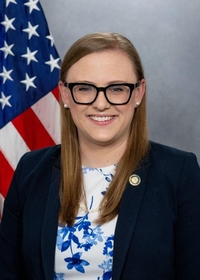
Rep. Jenn O'Mara
Sponsored bills
Maddy summaryHB 1600 amends Pennsylvania's Human Services Code to establish specific requirements for the Keystone STARS Program, a quality rating system for child-care facilities. The bill requires participating child-care centers and family child-care homes to display their STAR-level rating on their public website and provide it to parents at enrollment. It also mandates that the state department issue visible placards with facilities' ratings and develop a rubric outlining how providers can improve their rating through staff training, program quality, family partnerships, and leadership. This directly affects licensed child-care providers and parents seeking early childhood education services.
Maddy summaryThis bill introduces two main changes to Pennsylvania law: it exempts gun safes and gun locks from sales and use tax, and it creates a new criminal offense for failing to securely store firearms. Under the new provisions, firearm owners must keep their weapons locked in a designated safe or with a locking device when not in use, with stricter penalties if a minor or unauthorized person is likely to be present. The legislation also establishes civil liability for owners whose unsecured firearms cause injury or property damage and requires retailers to post notices about secure storage laws. Additionally, the bill clarifies that gun cabinets do not qualify as gun safes and defines specific terms like "securely store" and "unauthorized user" to guide enforcement.
Maddy summaryHB 1045 requires Pennsylvania school nurses and other school staff with direct student contact to complete Department of Health-approved training on seizure recognition and first aid starting in the 2025-2026 school year, with training required every two years thereafter. The bill mandates specific content about identifying seizures, using seizure action plans, and providing basic first aid. It also clarifies that school staff providing seizure-related care are protected from civil liability under existing Good Samaritan laws (42 Pa.C.S. §§ 8332 and 8337.1). This bill directly affects all public school staff in Pennsylvania who work with students and aims to improve emergency response for students with seizure disorders.
Maddy summaryHB 1106 establishes a certification program for chiropractic assistants in Pennsylvania. To become certified, individuals must be at least 18, have a high school diploma, complete an approved training program, pass an exam, and meet background requirements. Certified assistants can only perform tasks delegated by a licensed chiropractor under direct on-premises supervision and must complete 16 hours of continuing education (including 8 in-person hours) every two years to maintain certification. The bill also makes minor editorial changes to the existing Chiropractic Practice Act.
Maddy summaryThis bill is a non-binding resolution that officially designates June 2, 2026, as "Cancer Action Day" in Pennsylvania to raise awareness about the state's high cancer rates. It highlights statistics on cancer diagnoses and deaths in the Commonwealth while noting disparities in access to care for various communities. The resolution urges lawmakers to support future legislation aimed at improving cancer prevention, detection, and treatment services. As a commemorative measure, the bill does not create new laws or allocate funding but serves to honor those affected by cancer and advocate for improved health outcomes.
Maddy summaryHB 2173 updates Pennsylvania's Medical Practice Act of 1985 by adding new definitions and licensing requirements for medical imaging professionals. It specifically creates licensing categories for roles like medical imaging professionals, radiation therapists, radiologist assistants, and trainees, defining their scope of practice (including modalities such as MRI, CT scans, ultrasound, and nuclear medicine). The bill removes outdated provisions about radiologic procedures and education requirements while establishing certification standards through recognized medical imaging certification organizations. This directly affects healthcare workers performing imaging procedures, requiring them to obtain board licenses based on their certified modalities. The changes clarify professional responsibilities and ensure consistent training standards for these healthcare roles.
Maddy summaryThis resolution directs the Joint State Government Commission to study Pennsylvania's disability waiver programs. It specifically examines how to improve experiences for individuals receiving Home and Community-Based Services waivers through the Office of Long-Term Living (OLTL) and Office of Developmental Programs (ODP). The study will assess medical care access, healthcare support barriers, and staffing challenges for waiver participants. The findings will inform future improvements to these services, focusing on people with disabilities who rely on community-based care instead of institutional settings. (HR 134, 2025)
Maddy summaryHR 414 is a Pennsylvania House resolution recognizing May 9-15, 2026, as "National Stuttering Awareness Week" in the state. It symbolically acknowledges the National Stuttering Association’s annual observance to promote understanding of stuttering, a speech disorder affecting approximately 130,000 Pennsylvanians. The resolution highlights common misconceptions about stuttering and emphasizes the importance of reducing stigma, though it does not create new programs or laws. This is a non-binding gesture by the Pennsylvania House of Representatives to support awareness, not a substantive policy change.
Maddy summaryHB 434, the "Ebony Alert System Act," requires the Pennsylvania State Police to establish a system providing public alerts for missing young people of color (ages 12-25) under specific circumstances, including abduction, suspicious disappearance, or if they have disabilities. Law enforcement must consider eight factors - such as the individual's age, race, disability, or safety risks - before activating an alert. The system is funded by a $25 assessment on individuals convicted of kidnapping (18 Pa.C.S. Ch. 29), and falsely impersonating the alert system carries a $5,000 civil penalty. It directly affects law enforcement agencies, public safety systems, and vulnerable missing persons cases.