

Maddy summaryHB 25 amends Pennsylvania's Public School Code to extend deadlines for school districts to adopt budgets and levy property taxes. It changes the budget adoption deadline from 15 to 30 days after the state enacts basic education funding legislation (for reimbursement of the prior year), and the tax levy deadline from 20 to 35 days for most districts. This affects all public school districts in Pennsylvania, providing more time to finalize financial plans without altering the existing 25-mill property tax rate cap. The bill takes effect 60 days after enactment.
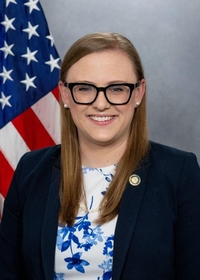
Rep. Jenn O'Mara
Sponsored bills
Maddy summaryHB 26 removes Pennsylvania’s existing abortion statutes (including the "Abortion Control Act" and its restrictions like parental consent, spousal notice, and gestational limits) and replaces them with a new framework focused on "reproductive rights." It repeals specific provisions related to medical consultation, informed consent, facility requirements, and reporting, while adding language affirming reproductive rights for patients and providers. The bill also eliminates references to federal healthcare compliance for insurers and updates terminology, changing the chapter heading from "Abortion" to "Reproductive Offenses." This bill directly affects all abortion providers, patients, and public health systems in Pennsylvania by fundamentally restructuring the legal landscape governing abortion access.
Maddy summaryThis bill strengthens Pennsylvania's protection from abuse laws by expanding the types of relief courts can grant and clarifying procedures for emergency situations. It allows final protection orders to explicitly include provisions protecting companion animals from abuse, harassment, or relocation, and grants courts the authority to order temporary ownership of these animals during disputes. The legislation also enables hearing officers in certain counties to issue immediate emergency relief when regular courts are unavailable, ensuring faster protection for victims in urgent circumstances. Additionally, the bill clarifies that police officers can make warrantless arrests for violating protection orders based on probable cause, even if the violation is not witnessed directly by the officer. These changes aim to provide more comprehensive and timely safety measures for individuals and their pets facing domestic abuse.
Maddy summaryThis bill amends Pennsylvania vehicle laws to establish a new road user charge specifically for electric vehicles. The new fee, set to begin on April 1, 2025, is designed to generate revenue for state roads and bridges, while also updating motorcycle inspection requirements. The legislation takes effect immediately upon approval, with most other provisions becoming active within 60 days.
Maddy summaryThis bill updates the Pennsylvania Fish and Boat Commission's authority to hire and set pay for waterways patrolmen and other staff. It requires the executive director to appoint these employees based on state classification plans and mandates that full-time conservation officers be paid at the same rate as Pennsylvania State Police members. The changes apply to compensation earned after the law takes effect 60 days from passage.
Maddy summaryThis bill updates how Pennsylvania Game Commission officers are classified and paid. It establishes that full-time officers responsible for enforcing game laws will be compensated in the same way as members of the Pennsylvania State Police. All other personnel, except the director, will continue to be hired and paid according to the state's standard classification and compensation plans. The changes apply to earnings starting from the bill's effective date, which is set to occur 60 days after it is passed.
Maddy summaryThis bill expands medical assistance coverage to include doula services for eligible recipients during pregnancy, labor, delivery, and for up to one year after childbirth. To oversee this expansion, the legislation requires the creation of a Doula Advisory Board composed of government officials, doula representatives, and community members to advise on best practices and address disparities in maternal health. The state must also seek federal approval or a waiver to implement these changes, with the new coverage provisions taking effect once approved. Additionally, the bill includes provisions for third-party liability and data matching to help prevent fraud and abuse within the program.
Maddy summaryThis bill updates Pennsylvania's Public School Code to require schools to notify parents when a student is diagnosed with type 1 diabetes. It mandates that schools provide education about the condition and ensures parents are informed of any medical treatments or care plans involving their child. The legislation also clarifies that these requirements apply to both public and nonpublic schools, including those that operate health units. By making these changes, the law aims to improve communication between schools and families regarding diabetes management.
Maddy summaryThis bill updates Pennsylvania's Unfair Trade Practices and Consumer Protection Law to strengthen rules against deceptive automatic renewal policies. It requires businesses to clearly disclose future pricing changes and deadlines for cancellation in bold text, while also prohibiting the intentional misrepresentation of renewal terms. The law expands its scope to cover entities regulated by federal agencies like the FCC and PUC, as well as those involved in natural gas and electric utility markets. Ultimately, these changes aim to ensure consumers receive transparent information when signing up for recurring services or subscriptions.
Maddy summaryThis Pennsylvania bill establishes new pension benefits for retired public employees starting in 2025. It provides an additional monthly payment to eligible retirees from state education and government systems who retired before 2001, with the amount calculated as a percentage of their July 2025 annuity based on their original retirement date. The legislation also creates a special one-time adjustment for retired municipal police officers and firefighters, ensuring these groups receive increased benefits. Funding for these new payments will be spread over ten years beginning in 2025, and the benefits are not available to survivors of members who died before that date.